Apptronik
Inside the Apollo II Launch
December 2025 · Studio ProductionApptronik had spent years developing Apollo II, their next-generation humanoid robot—and the launch had to be treated accordingly. This wasn't a product photo for an e-commerce listing. It was a press moment: national media coverage, investor eyes, industry scrutiny, and the weight of a company publicly staking its credibility on technology that hadn't existed at this scale before.
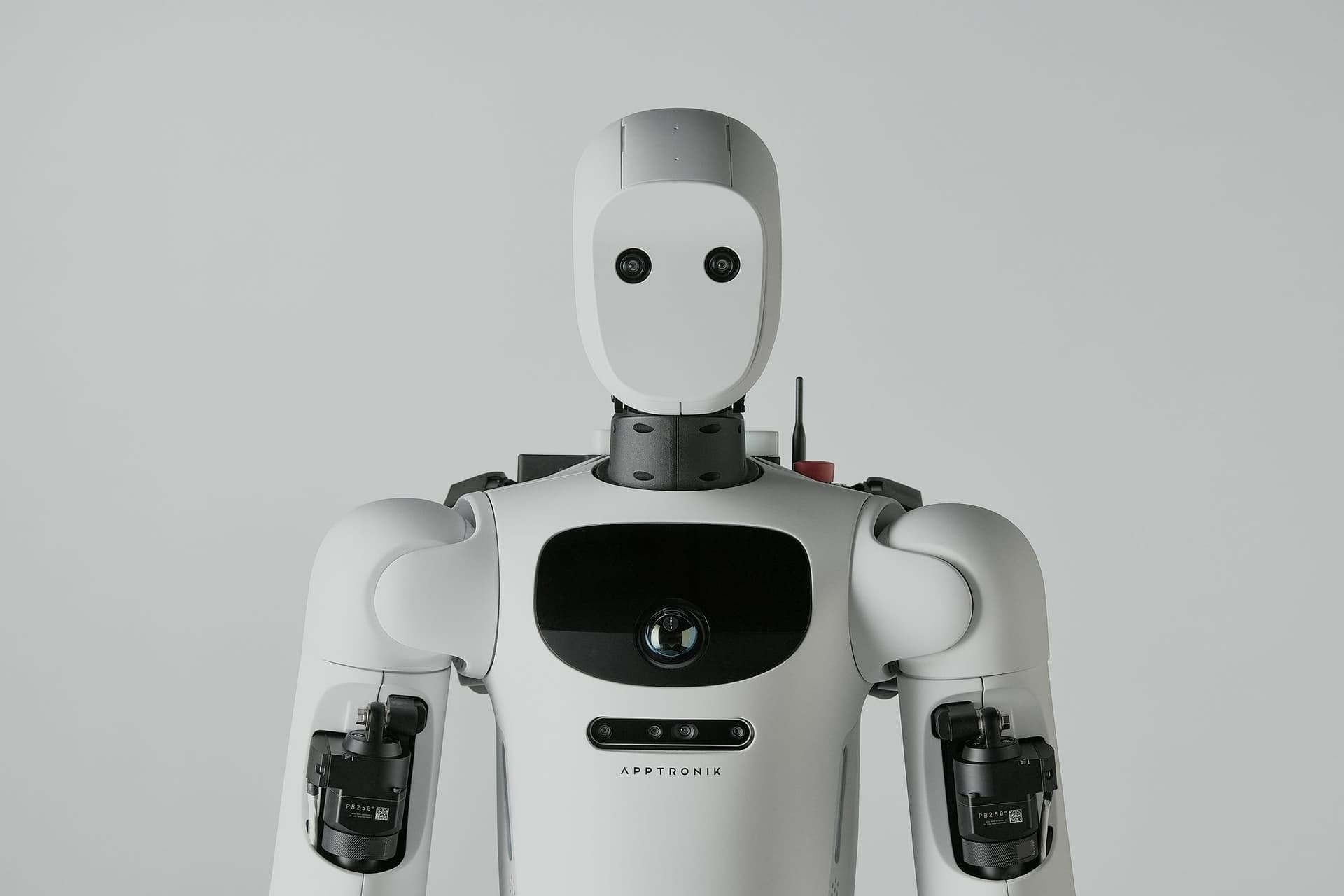
The imagery needed to carry that weight. Robot photography is technically demanding in ways that most product photography isn't. Reflective surfaces that blow out under the wrong light. Complex mechanical geometries that require deliberate angles to read clearly. A subject that has no natural expression or movement to draw on—every frame has to convey presence, precision, and scale through composition, lighting, and staging alone.
And it all had to work across contexts. Clean enough for a press kit. Editorial enough to anchor a feature story. Credible enough for investor decks. The margin for mediocre was zero. When the images go out with the press release, they become the first thing most people see of the product. They either reinforce the story or they undercut it.
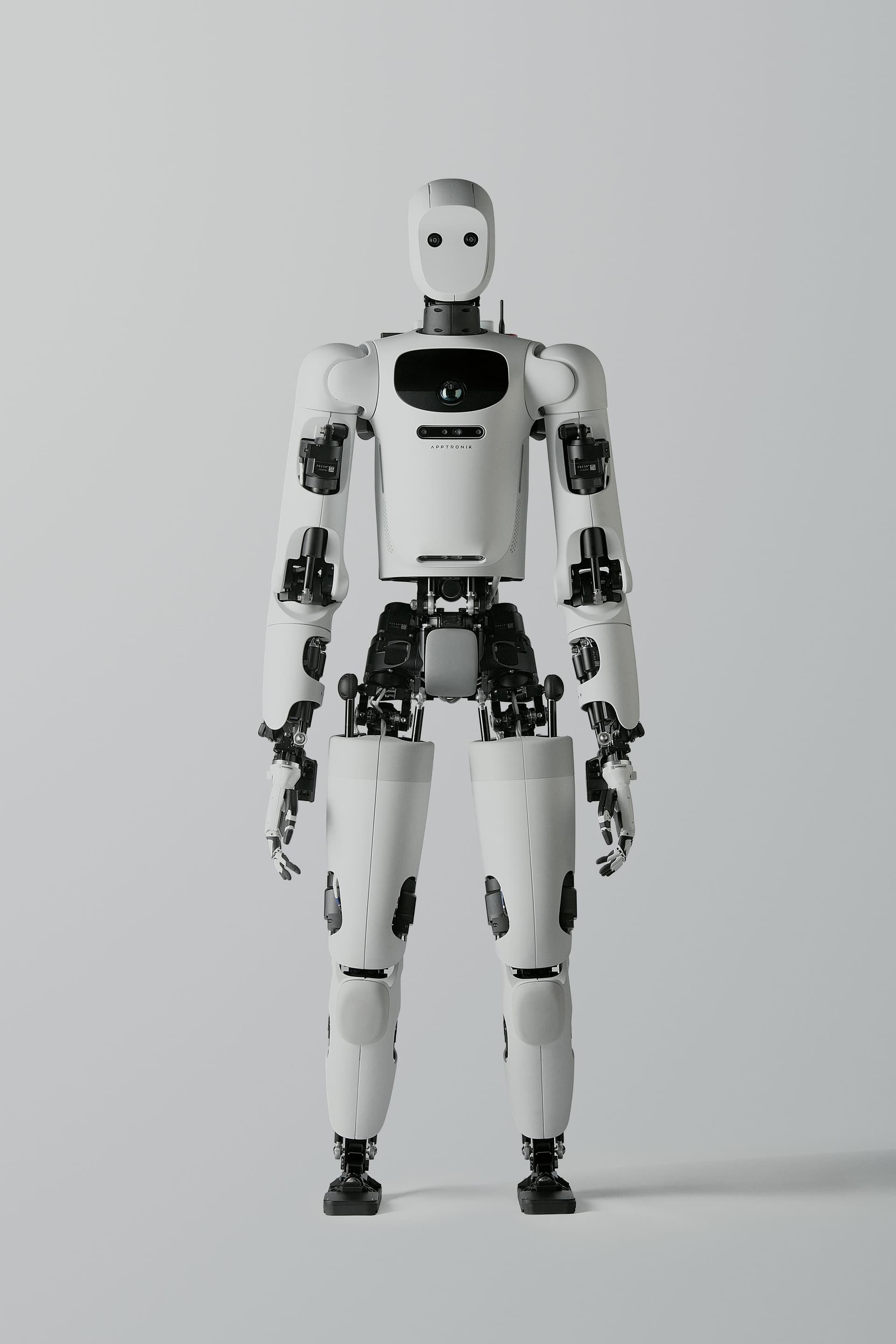
Rather than move a one-of-a-kind prototype to an outside studio, we brought the studio to Apollo II. We built a controlled shoot environment on-site at Apptronik—seamless backdrop, full lighting rig, and a clean, distraction-free set assembled around the robot where it lived. That kept the prototype secure, the timeline tight, and every frame on a neutral ground that puts the machine, and nothing else, at the center.
Lighting was the critical technical challenge. Apollo II's highly reflective surfaces—polished joints, sensor arrays, structural panels—blow out under the wrong setup, flattening the very detail that makes the machine impressive. We built a controlled lighting environment on the seamless set that revealed material detail and dimensional form without hot spots, giving every panel and articulation clean, deliberate definition.
Every frame was planned around dual purpose: clean hero shots that could anchor a press release or a homepage, and tighter detail photography that communicated the engineering up close. Full-length profiles. Head-on portraits. Mechanical close-ups. The complete library a communications team needs to carry an extended launch cycle, not just a one-day announcement.
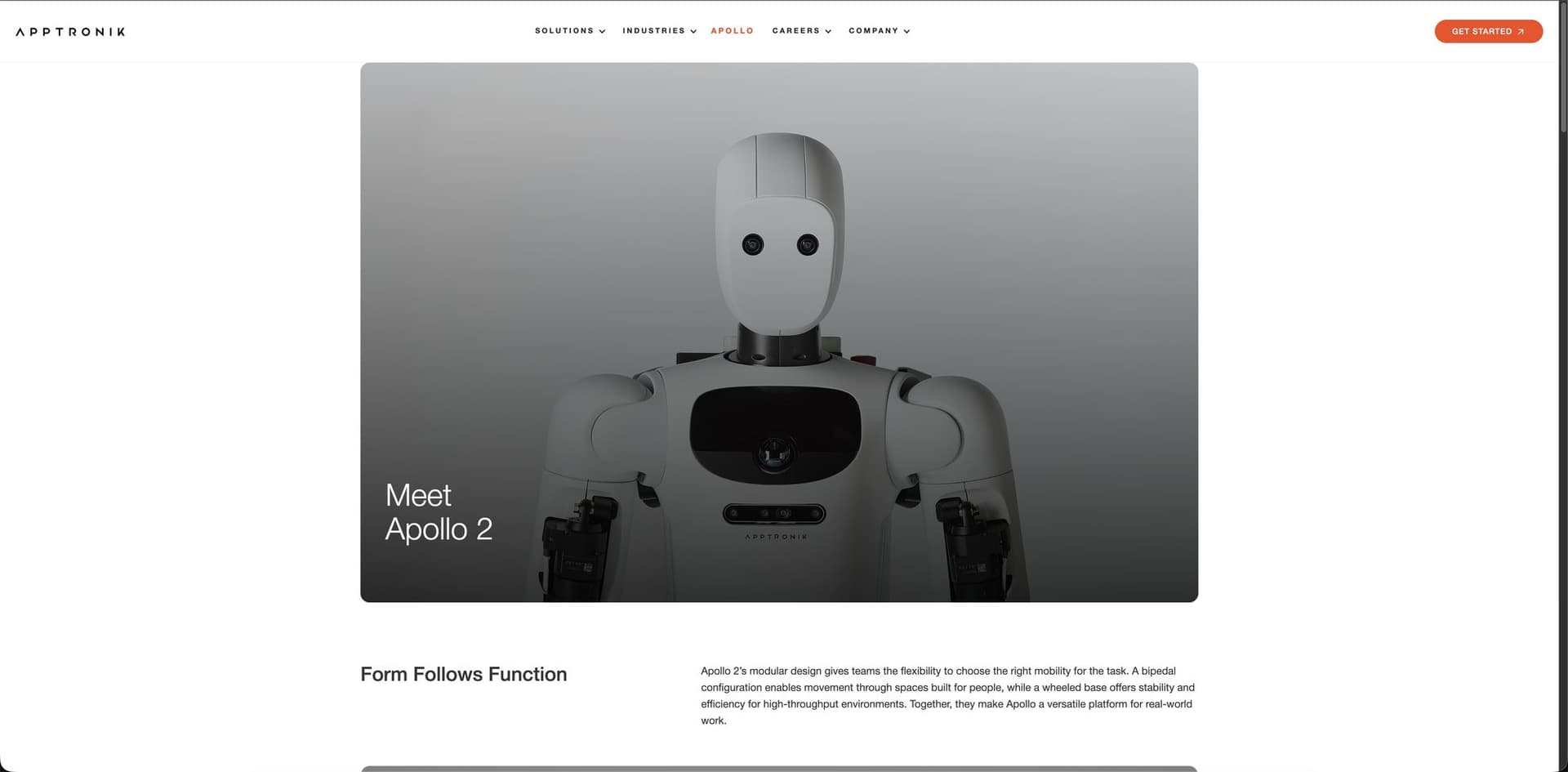
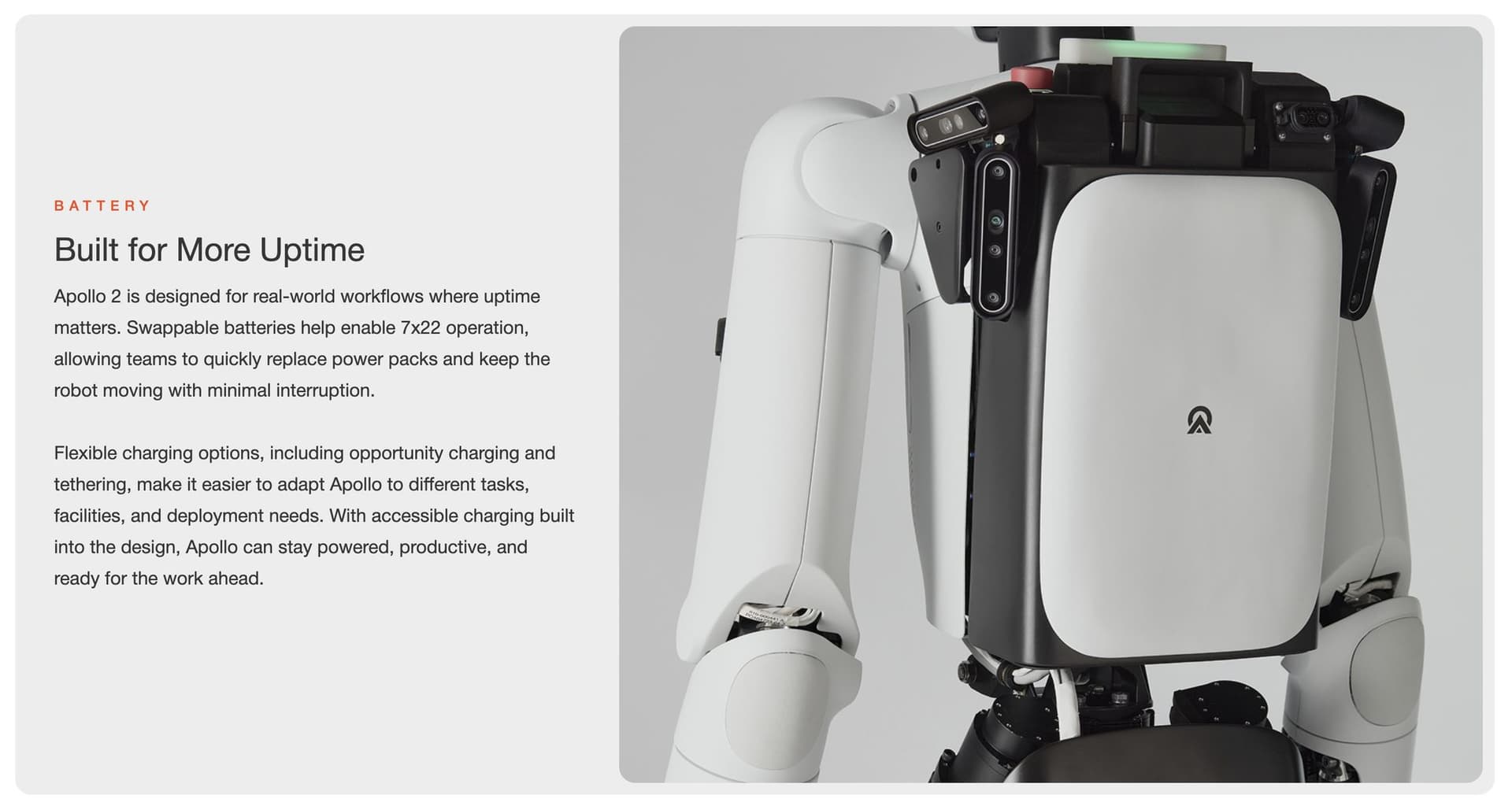
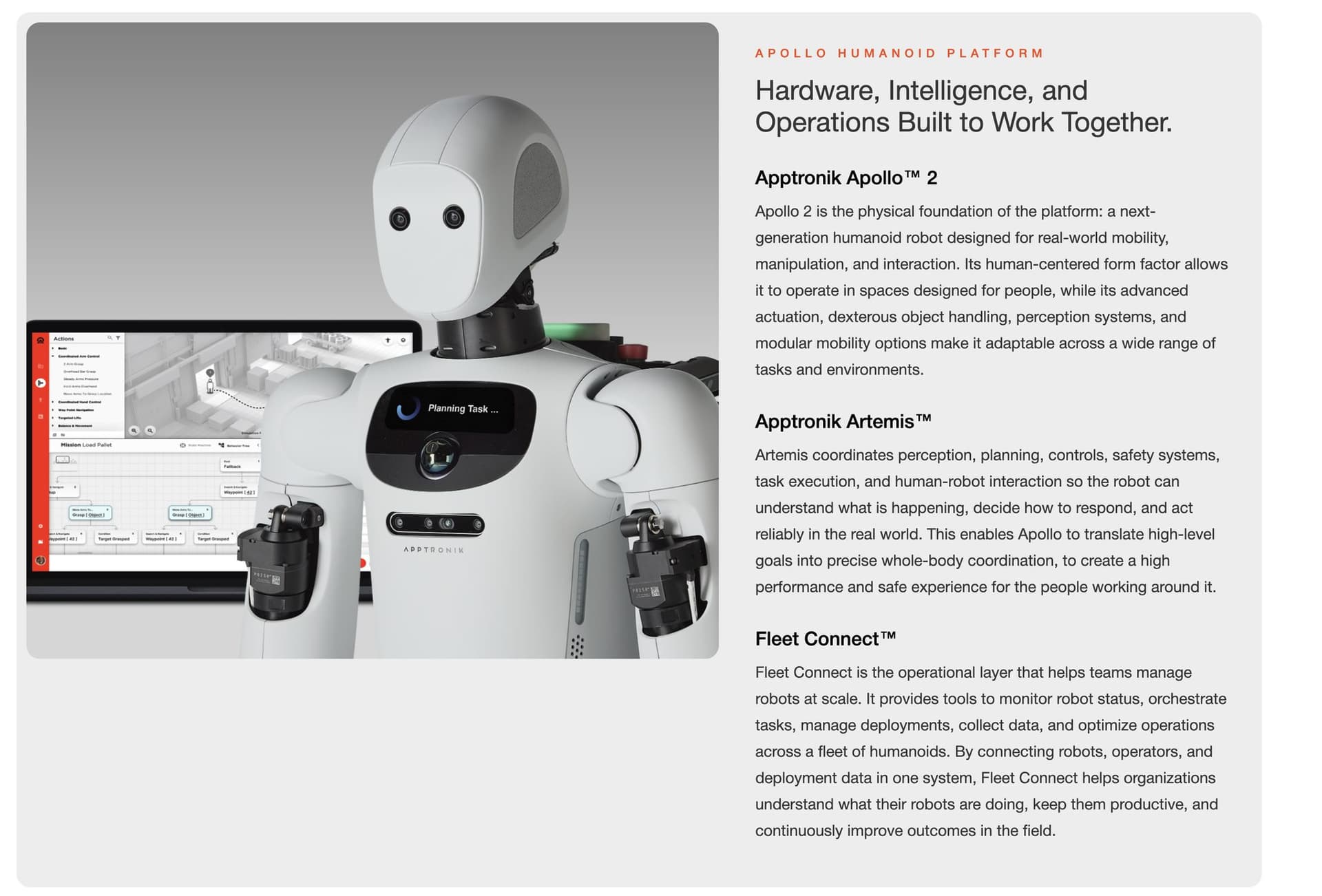
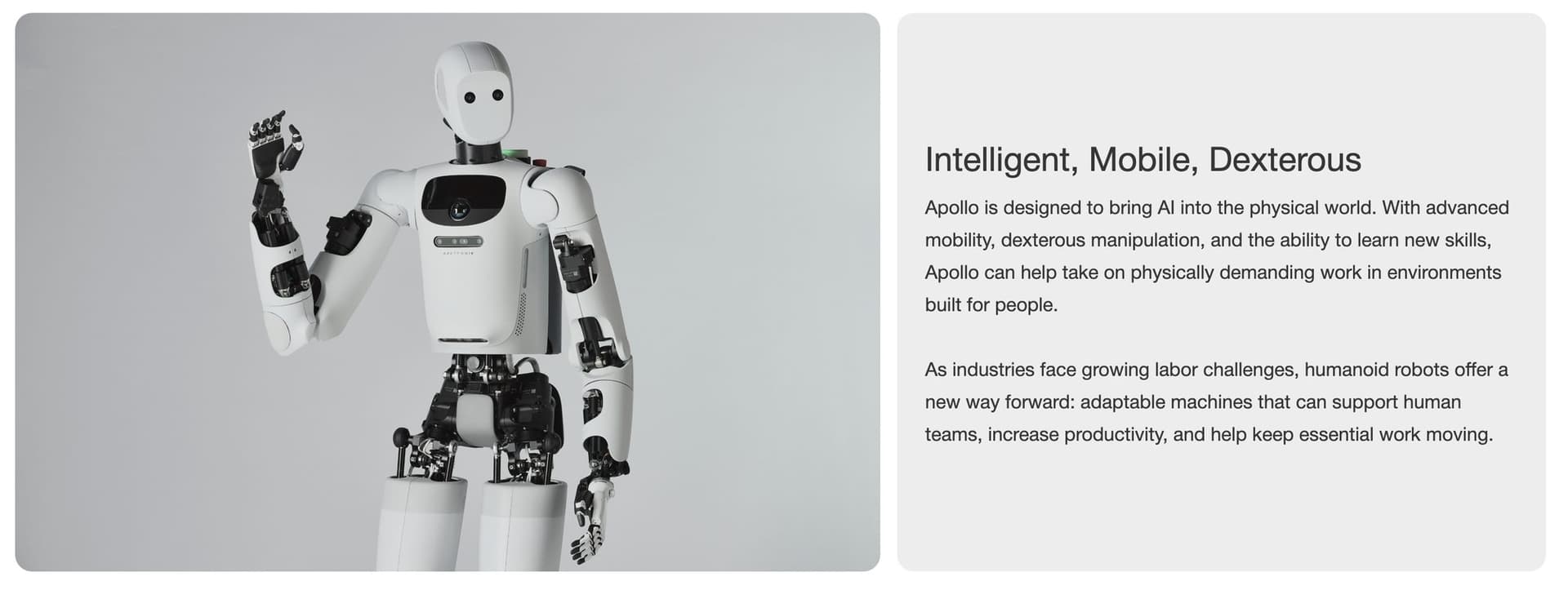
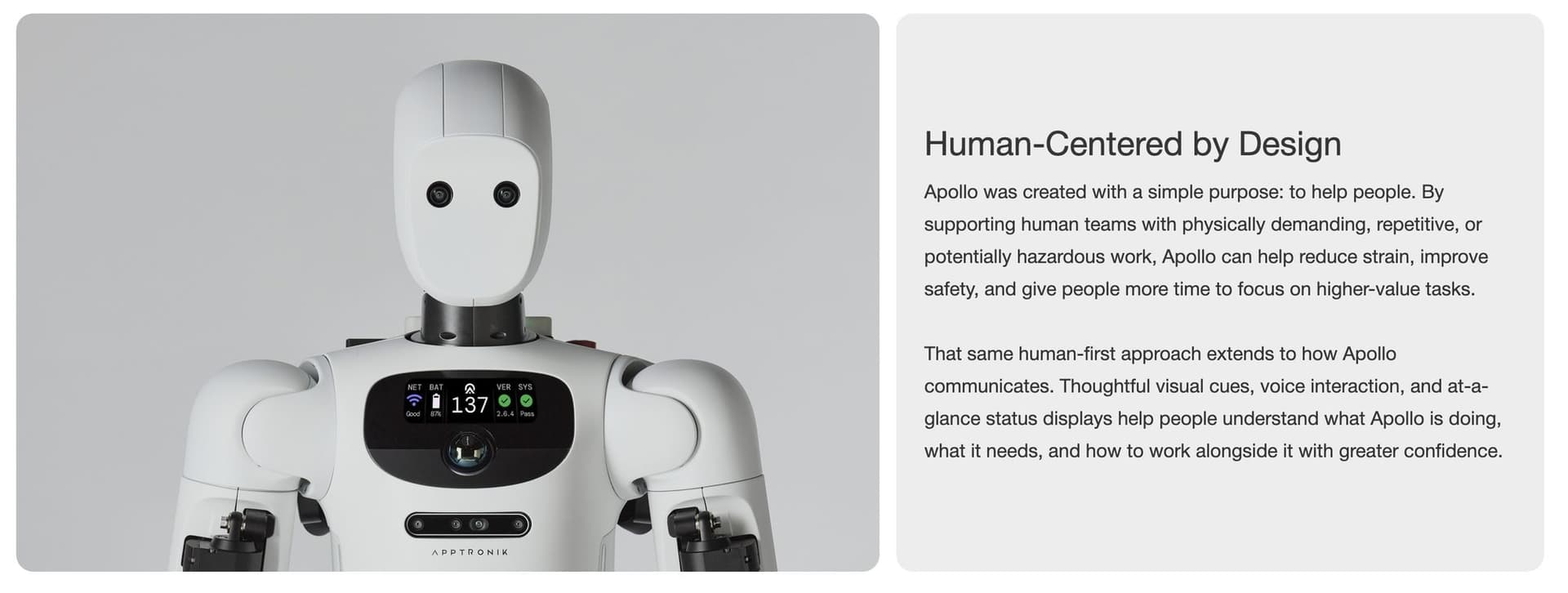
Apollo II launched with a complete, press-ready image library covering every angle the story needed. The photography rolled out across Apptronik's website and launch channels—hero frames, product sections, and platform pages all built on the same shoot—and anchored the visual side of the debut, reinforcing the milestone the company had reached.
For a company at this stage, imagery is credibility. A poorly photographed product launch signals unpreparedness to the exact audience you're trying to convince. The Apollo II images did the opposite: they positioned Apptronik as a serious hardware company—precise, confident, and ready for the scrutiny that comes with building technology at the frontier.
Over 100 high-resolution finals delivered for internal use, investor materials, media distribution, and ongoing PR campaigns. The library supported not just the launch announcement, but months of continued coverage.
- 100+ high-resolution retouched images
- Hero shots for press kits and media distribution
- Mechanical detail and full-length studio photography
- Internal use imagery for investor and marketing materials
- Portable studio built on-site — no prototype transport required
Let’s make work like this for your brand.
Photography, video, and brand content — produced end to end. Tell us what you’re building.
Get a Quote →

