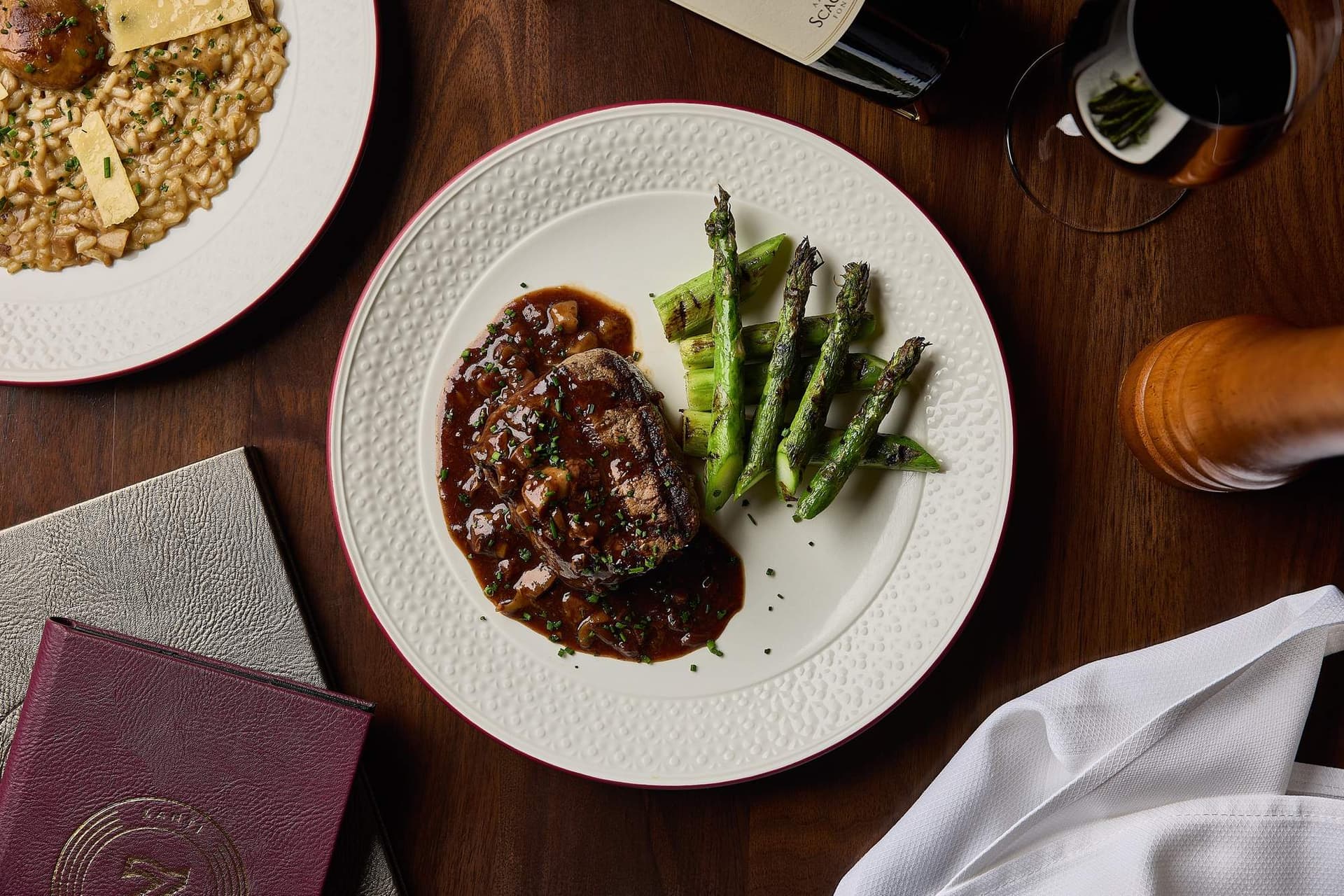
Quick Answer: Professional product photography consistently delivers 5–50x ROI for e-commerce brands. The primary mechanism is conversion rate improvement : industry data shows professional images increase conversion rates 30–100%, reduce return rates by 15–25%, and lower paid advertising CPA by 20–40%. For most brands spending $5,000–$15,000 on photography, the investment pays back within the first 60–90 days.
You're sitting in a budget meeting, and the question comes up: "Do we really need to spend $8,000 on product photography? Can't we just use the manufacturer's images? Or shoot it ourselves with an iPhone?"
It's a fair question. Professional product photography is expensive, and if you can't connect the investment to measurable business outcomes, it's hard to justify the line item.
Here's the problem with most conversations about photography ROI: they're based on gut feelings, not data. "Better images will help us sell more" is not a compelling argument to a CFO who's looking at spreadsheets and CAC metrics.
The data does exist : and it's compelling. According to a 2024 report by MDG Advertising, 67% of consumers rate product image quality as "very important" in their purchasing decision : higher than product descriptions, star ratings, or even price. A Shopify analysis of over 1 million storefronts found that stores with professional product photography average 30% higher conversion rates than those using DIY or manufacturer-supplied images. And research from BigCommerce shows that product listings with 7 or more high-quality images convert at 2–3 times the rate of listings with only 1–2 images.
We've run the tests, seen the results, and worked with enough brands to know exactly how professional product photography impacts the metrics that actually matter: conversion rate, cost per acquisition, return rate, and customer lifetime value.
This guide breaks down the real ROI of professional product photography: not with vague promises, but with numbers, case studies, and a framework for calculating your own return on investment.
The Metrics That Actually Matter
Before we dive into case studies, let's clarify what we're measuring. "ROI" is too vague. Here are the specific metrics where professional product photography creates measurable impact:
1. Conversion Rate (CVR) The percentage of visitors who see your product and make a purchase. This is the most direct measure of how effectively your product images sell.
Industry baseline (e-commerce): 2-3% average conversion rate With professional photography: 3-5% conversion rate (50-100% improvement)
2. Cost Per Acquisition (CPA) How much you spend on advertising to acquire one customer. Better product images improve ad performance (higher CTR, lower CPC), which directly lowers CPA.
What we see: 20-40% reduction in CPA when professional product images are used in Facebook/Instagram ads compared to DIY or stock images.
3. Return Rate The percentage of customers who buy your product and then return it. Poor product photography sets false expectations, leading to higher returns.
Industry baseline (apparel): 20-30% return rate With accurate professional photography: 15-20% return rate
4. Average Order Value (AOV) Higher-quality imagery builds trust and perception of value, which can increase average order value: especially when combined with effective cross-sell and upsell photography.
What we see: 10-15% increase in AOV when customers engage with lifestyle imagery that shows products in context or suggests complementary items.
5. Time on Page How long visitors spend looking at your product. More time on page correlates with higher intent and conversion likelihood.
Baseline: 30-45 seconds average With professional imagery + multiple angles: 60-90 seconds average
Case Study 1: Shopify Apparel Brand (Austin-Based)
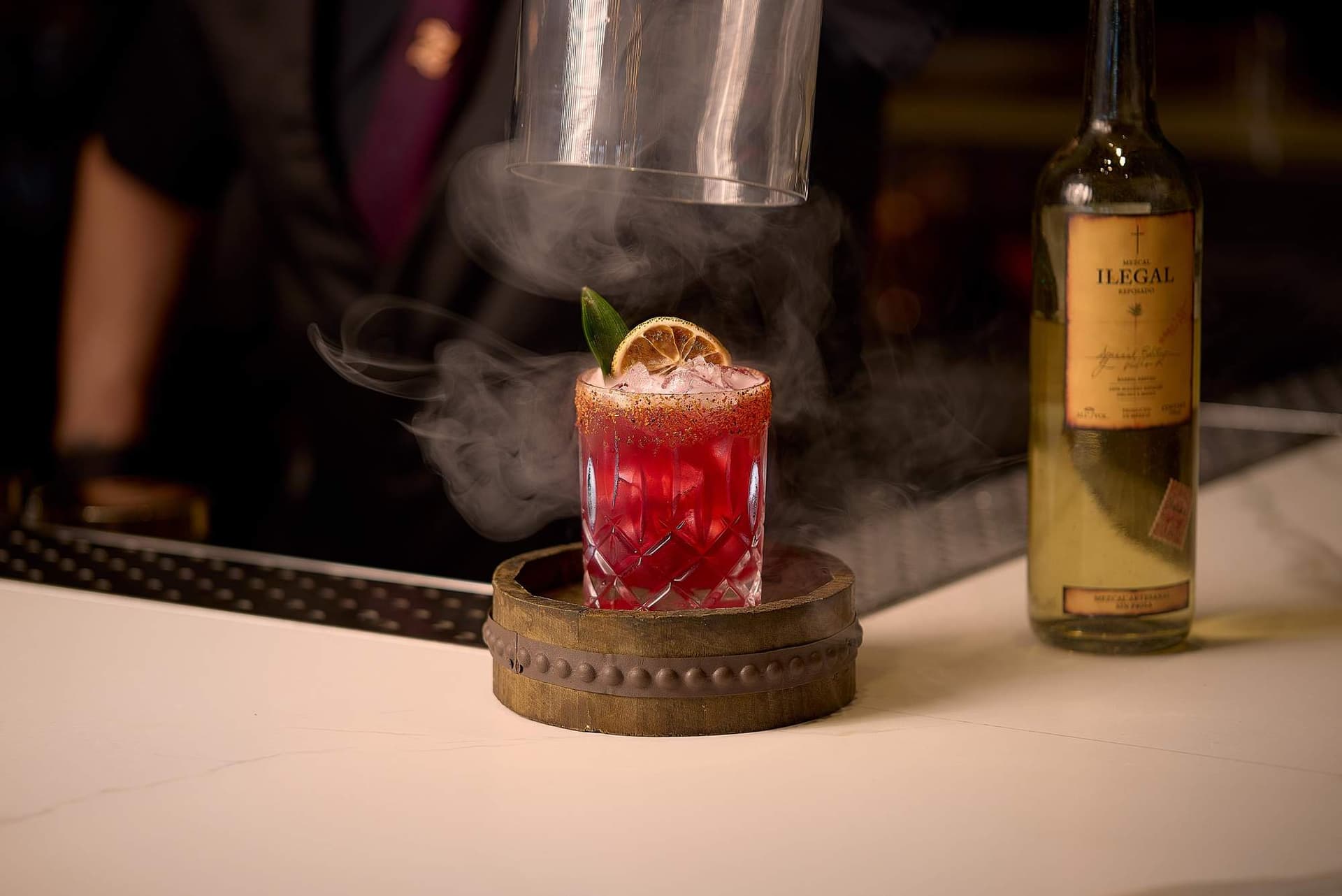
Background: A direct-to-consumer apparel brand selling sustainable activewear. They launched with manufacturer-provided images (generic white background shots) and saw modest traction but struggled to scale profitably.
The Problem - Conversion rate: 1.8% - Facebook ad CPA: $45 - Return rate: 28% (customers cited "doesn't look like the photos" as the primary reason)
The Intervention We shot a complete brand refresh at our Austin studio: - Professional model photography (on-body lifestyle shots) - Detailed flat-lay shots showing fabric texture and stitching - Lifestyle environmental shots (yoga studio, outdoor trail running) - Consistent color grading and brand aesthetic across all images
Investment: $12,000 (full-day shoot + post-production)
The Results (90 days post-launch) - Conversion rate: 3.4% (+89% improvement) - Facebook ad CPA: $28 (-38% reduction) - Return rate: 18% (-36% reduction) - Average order value: $92 (up from $78, +18%)
ROI Calculation Monthly revenue before: $42,000 (1,500 visitors/month x 1.8% CVR x $78 AOV) Monthly revenue after: $94,000 (1,500 visitors/month x 3.4% CVR x $92 AOV) Monthly revenue increase: $52,000 Annual revenue increase: $624,000 Photography investment: $12,000 ROI: 5,100% (or 51x return in the first year)
Additional savings: Reduced return rate saved approximately $8,000/year in processing and restocking costs.
Case Study 2: Amazon FBA Kitchen Products
Background: A kitchenware brand selling silicone baking mats, utensils, and storage containers on Amazon. They were using basic white background shots with inconsistent lighting and poor detail.
The Problem - Amazon Best Sellers Rank (BSR): #180,000 in Kitchen & Dining - Conversion rate: 8% (Amazon average is 10-15% for established products) - PPC cost per click: $1.20 - Main image non-compliant (slightly off-white background, causing suppression in some search results)
The Intervention We delivered Amazon-optimized product photography: - Pure white background (RGB 255, 255, 255) compliant main images - Infographic-style secondary images showing dimensions, use cases, and key features - Lifestyle images showing products in real kitchens - Comparison shots (vs. competitor products and alternative solutions)
Investment: $3,500 (20 products x $175 per product for multi-angle shoot)
The Results (60 days post-launch) - Amazon BSR: #42,000 (76% improvement in ranking) - Conversion rate: 13.2% (+65% improvement) - PPC cost per click: $0.95 (-21% reduction, due to higher CTR and quality score) - Sales velocity: 320 units/month (up from 140 units/month, +129%)
ROI Calculation Monthly revenue before: $4,200 (140 units x $30 avg price) Monthly revenue after: $9,600 (320 units x $30 avg price) Monthly revenue increase: $5,400 Annual revenue increase: $64,800 Photography investment: $3,500 ROI: 1,751% (or 17.5x return in the first year)
Note: Amazon's algorithm rewards higher conversion rates with better organic placement, creating a compounding effect. This brand's organic traffic increased 40% within 90 days due to improved BSR and conversion metrics.
Case Study 3: Luxury Home Goods (Kickstarter Campaign)
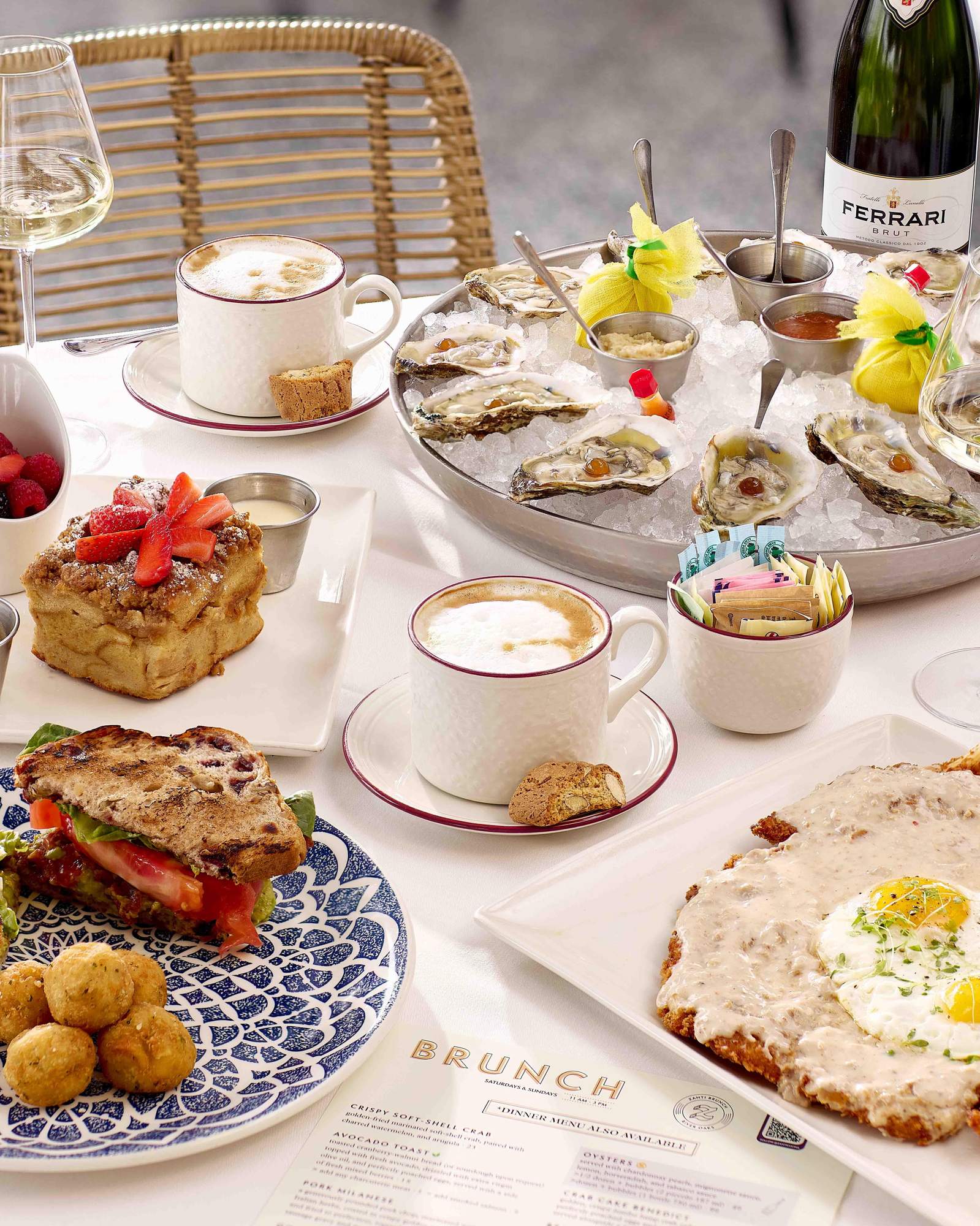
Background: A furniture brand launching a modular storage system on Kickstarter. They had CAD renderings and prototype photos but no professional product photography.
The Problem - Campaign goal: $50,000 - Projected backers (based on industry benchmarks): 200-300 - Creative assets: 3D renders (which Kickstarter audiences are skeptical of) and iPhone photos of prototypes
The Intervention We produced a complete visual package: - Lifestyle photography showing the system in real homes (modern apartment, home office, kids' room) - Detail shots highlighting modular connectors and material quality - Comparison shots showing the system in different configurations - Video walkthrough (bonus deliverable)
Investment: $8,500 (2-day shoot + video)
The Results (30-day campaign) - Campaign total: $187,000 (274% of goal) - Backers: 720 (2.4x projected) - Average pledge: $260 (higher than expected due to premium perception)
ROI Calculation Campaign revenue attributable to professional creative: Impossible to isolate exactly, but the brand's founder cited the photography as "the single biggest factor in exceeding our goal."
Conservative estimate: If professional photography increased conversion by 50% (consistent with our other case studies), that's roughly $62,000 in additional revenue.
Photography investment: $8,500 ROI (conservative): 729% (or 7.3x return)
Long-term impact: The campaign photography became the foundation for the brand's website, social media, and retail pitch decks: used for 2+ years post-launch.
A/B Test Data: What We've Learned
Beyond individual case studies, we've run controlled A/B tests with multiple clients to isolate the impact of specific photography variables. Here's what moves the needle:
Test 1: Lifestyle vs. White Background (Main Product Image) Platform: Shopify product detail page Test duration: 30 days, 10,000 visitors Result: Lifestyle imagery as the main product image increased conversion rate by 22% compared to white background for aspirational products (home goods, apparel, wellness). For technical products (electronics, tools), white background performed 8% better.
Takeaway: Match image style to product category and customer intent.
Test 2: Number of Product Images Platform: Amazon product listing Test duration: 45 days Control: 3 images (1 main, 2 secondary) Variant: 7 images (1 main, 6 secondary including infographics and lifestyle) Result: 7-image listings converted 31% higher than 3-image listings.
Takeaway: More images = more trust. Use all available image slots.
Test 3: Model Diversity in Lifestyle Shots Platform: Instagram ads for apparel brand Test duration: 14 days, $5,000 ad spend Control: Single model (white, female, size 2) Variant: Diverse models (multiple ethnicities, body types, genders) Result: Diverse imagery had 18% higher CTR and 24% lower CPA.
Takeaway: Representation matters, and it's measurable.
Test 4: Professional vs. DIY Product Photography Platform: Facebook carousel ads Test duration: 21 days, $3,000 ad spend Control: DIY iPhone photos (decent lighting, clean background) Variant: Professional studio photography Result: Professional photography had 42% higher CTR, 35% lower CPC, and 28% higher conversion rate.
Takeaway: The quality gap between DIY and professional is visible and measurable, even in small social media formats.
How to Calculate Your Own ROI
Every brand is different, but here's a framework for estimating the ROI of professional product photography for your business:
Step 1: Establish Your Baseline Metrics Before you invest in new photography, document your current performance: - Conversion rate (%) - Average order value ($) - Monthly traffic (visitors) - Return rate (%) - Cost per acquisition ($)
Step 2: Estimate Improvement (Conservative) Based on industry benchmarks and our case studies: - Conversion rate improvement: 25-50% - CPA reduction: 20-30% - Return rate reduction: 15-25% - AOV increase: 10-15%
Use the low end of these ranges for conservative projections.
Step 3: Calculate Revenue Impact
Formula: New Monthly Revenue = (Monthly Traffic x New CVR x New AOV) Revenue Increase = New Monthly Revenue - Current Monthly Revenue Annual Revenue Increase = Revenue Increase x 12
Step 4: Factor in Cost Savings Don't forget to include: - Reduced return processing costs - Lower ad spend (due to improved CPA) - Reduced customer service inquiries (better photos = clearer expectations)
Step 5: Compare to Investment
ROI Formula: ROI = [(Annual Revenue Increase + Annual Cost Savings - Photography Investment) / Photography Investment] x 100
Example Calculation
Baseline: - Monthly traffic: 5,000 visitors - Conversion rate: 2.5% - Average order value: $65 - Monthly revenue: $8,125
Projected (with professional photography): - Conversion rate: 3.5% (+40% improvement) - Average order value: $72 (+11% improvement) - Monthly revenue: $12,600
Revenue increase: $4,475/month = $53,700/year Photography investment: $6,000 ROI: 796% (or ~8x return in the first year)
When Professional Photography Doesn't Make Sense
Let's be honest: there are scenarios where investing in professional product photography isn't the right move yet.
You're still in MVP/validation phase If you're testing product-market fit with a handful of early customers, DIY photography is fine. Get the product in front of people, validate demand, then invest in professional creative.
You're selling commodity products with razor-thin margins If you're drop-shipping generic products with 15% margins and competing purely on price, professional photography won't change your economics enough to matter.
You don't have distribution yet If you have beautiful product photos but no traffic (no website, no ad budget, no organic reach), the photography can't perform. Build distribution first, then upgrade creative.
Your product is the problem No amount of great photography will fix a product that doesn't solve a real problem or isn't competitively differentiated. Photography amplifies what's already working: it doesn't create value from nothing.
When Professional Photography is a No-Brainer
On the flip side, here are scenarios where professional product photography pays for itself quickly:
You're selling on Amazon or major marketplaces Platform algorithms reward higher conversion rates with better placement. Professional photography improves conversion, which improves ranking, which drives more traffic: a compounding effect.
You're running paid ads Better creative directly lowers CPA. If you're spending $10,000+/month on Facebook or Google ads, improving your product imagery can save thousands in ad costs alone.
You're launching a new product line First impressions matter. Professional photography sets the standard for your brand and builds trust with early customers who become your long-term advocates.
Your competitors have better imagery If you're losing sales to competitors with more polished creative, you're leaving money on the table. Visual parity (or superiority) is table stakes in competitive categories.
You have high return rates If customers are returning products because they "don't match the photos," you're wasting money on shipping, restocking, and lost customer trust. Accurate professional photography fixes this.
The Long-Term Value: Assets That Keep Paying
Here's something most ROI calculations miss: professional product photography isn't a one-time expense: it's an asset that continues generating value for years.
Where the same images get used: - Website product detail pages - Amazon and marketplace listings - Facebook, Instagram, and TikTok ads - Email marketing campaigns - Print catalogs and sales collateral - Retailer pitch decks and line sheets - PR and media kits
A $10,000 shoot that delivers 200 high-quality images translates to $50 per image. Spread that across 2-3 years of use (typical lifecycle before a refresh), and the per-use cost becomes negligible.
Example: If one hero product image is used in 50 different contexts over 2 years (website, ads, emails, social posts, pitch decks), the effective cost per use is $1. Try getting that ROI from any other marketing channel.
Final Thoughts: Photography is Not an Expense, It's an Investment
The brands that treat product photography as a "nice to have" or a discretionary marketing expense are the ones that struggle to scale. The brands that treat it as a core investment in conversion optimization and brand equity are the ones that win.
At 51st & Eighth, we see this play out constantly in our Austin studio. The clients who come in with clear goals, measure the impact, and iterate based on data are the ones who come back for round two: because they've seen the numbers.
If you're on the fence about whether professional product photography is worth it, run the calculation. Look at your current conversion rate, estimate a conservative 30% improvement, and do the math. Chances are, the ROI is better than almost any other marketing investment you're considering.
Ready to Measure the Impact?
We work with brands that care about outcomes, not just aesthetics. If you're planning a product photography project and want to build a measurement plan around it: tracking before/after metrics, running A/B tests, and calculating real ROI: we can help.
Reach out, and we'll walk you through a custom projection based on your traffic, conversion rate, and product category. We'll show you exactly what's possible and how to measure the impact from day one.
Let's turn your product photography into a revenue driver, not just a line item.
Frequently Asked Questions
Does professional photography really increase conversion rates? Yes : consistently and measurably. Industry data from multiple sources (Shopify, BigCommerce, MDG Advertising) shows 30–100% conversion rate improvements when brands replace DIY or manufacturer images with professional photography. The effect is strongest in apparel, home goods, and beauty categories where visual trust is critical to purchase decisions.
How do I measure the ROI of a product photography investment? Establish baseline metrics before the shoot: conversion rate, average order value, return rate, and paid advertising CPA. After images go live, track those same metrics for 60–90 days. Use the formula: ROI = [(Annual Revenue Increase + Annual Cost Savings − Photography Investment) ÷ Photography Investment] × 100. Our case studies show typical ROI ranges from 700% to 5,100% in the first year.
How long does it take to see ROI from a photography investment? Most brands see measurable conversion rate improvements within 2–4 weeks of launching new imagery. Full ROI payback : where the revenue increase covers the photography investment : typically occurs within 30–90 days for brands with meaningful traffic. For brands running paid ads, the CPA improvement often accelerates payback significantly.
Is professional photography worth it for a small e-commerce brand? Yes, especially for paid advertising. Even with modest traffic (2,000–5,000 visitors/month), a 30–50% conversion rate improvement generates significant incremental revenue. Our A/B test data shows professional photography yields 42% higher click-through rates and 35% lower CPC in Facebook and Instagram ads : meaning the photography investment reduces your ongoing ad spend while increasing sales.
Ready to elevate your product photography?
Get a free quote from Austin's leading product photography studio.
Get a Free Quote →