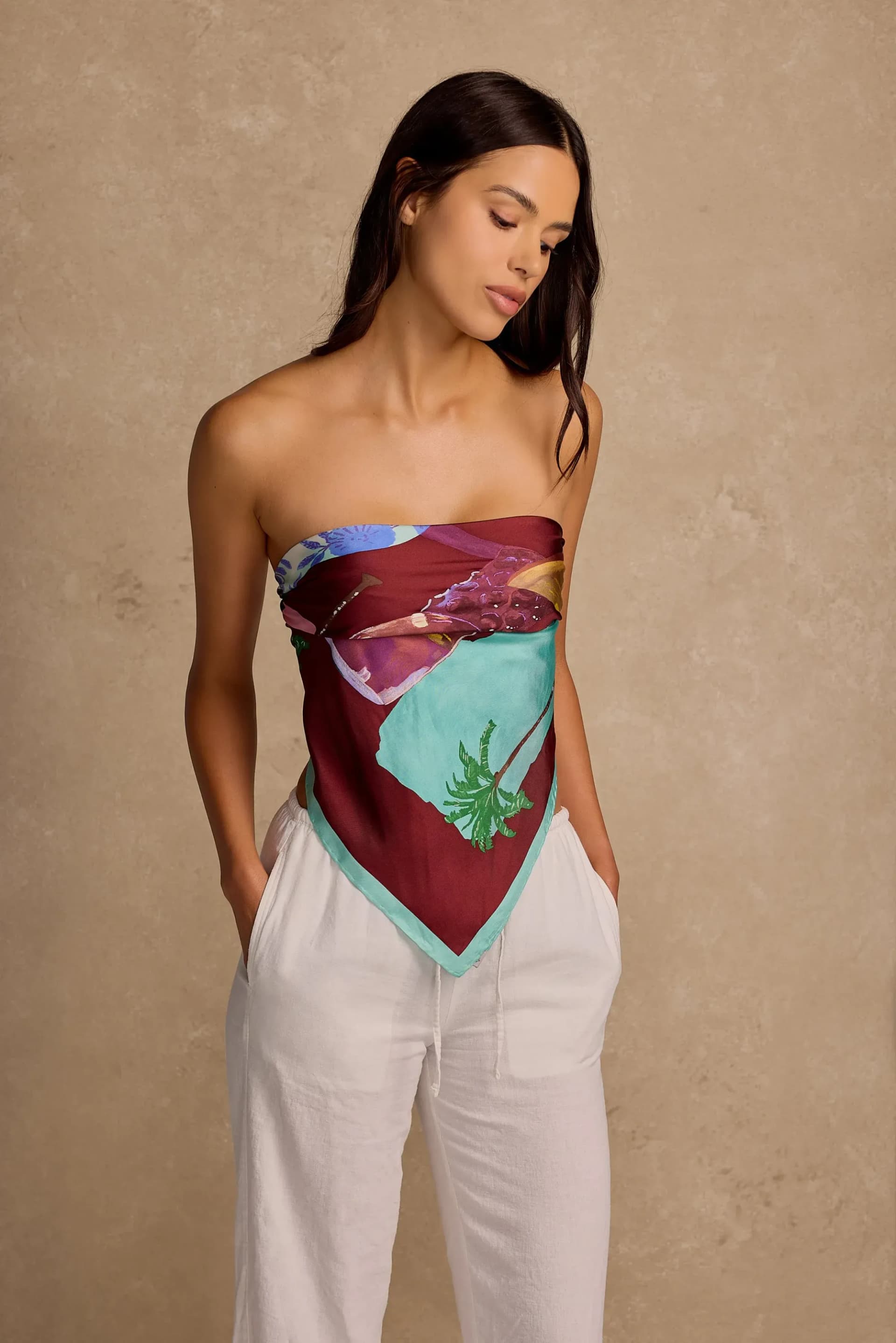
Quick Answer: Austin offers everything from $75/hr daylight studios and white-sweep cycloramas to free outdoor locations on South Congress and Lady Bird Lake. Studio rentals run $75-$300/hr ($500-$2,000/day), while outdoor locations cost nothing but require planning. For maximum flexibility and lowest cost, consider controlled studio shooting with AI compositing: ship the product, skip the location fee entirely.
Austin has quietly become one of the best cities in the country for product photography. The combination of reliable natural light (300+ sunny days per year), a deep pool of creative talent, affordable studio space compared to LA or New York, and an almost absurd variety of visual backdrops: from polished downtown architecture to raw East Austin warehouses to Hill Country ranches 30 minutes from downtown: makes it a magnet for brands that care about how their products look.
Whether you're a local DTC brand launching your first product line, a national company looking for a production-friendly city to base a shoot, or an e-commerce seller who needs consistent, high-quality product photos, Austin has a location that fits your brief.
This guide covers every option: professional studios, outdoor locations, warehouse and industrial spaces, cost ranges, scouting tips, and one increasingly popular option that eliminates the location question entirely.
Types of Studios for Product Photography in Austin
Not all studios are created equal. The right studio depends on what you're shooting, how much control you need over lighting, and whether your brand aesthetic calls for clean minimalism or styled lifestyle environments.
Daylight Studios
Daylight studios are purpose-built spaces with large windows or skylights that flood the room with natural light. They're ideal for lifestyle product photography where you want that warm, organic feel: think skincare brands, food products, home goods, and anything targeting a wellness or lifestyle audience.
What to look for in an Austin daylight studio:
- North-facing windows (consistent, soft light throughout the day without harsh direct sun)
- Ceiling height of at least 12 feet (critical for overhead shots and lighting flexibility)
- Neutral walls and floors (white, light gray, or natural wood: anything that won't cast color onto your products)
- Blackout options (so you can switch to controlled artificial lighting when needed)
Austin's East Side has the highest concentration of daylight studios, many converted from old commercial buildings with the large windows and high ceilings that make product photography sing.
Cyclorama / White Sweep Studios
A cyclorama (cyc wall) is a curved, seamless wall-to-floor surface: usually white: that creates an infinite background with no visible edges. This is the gold standard for clean e-commerce product photography, Amazon listings, and any application where the product needs to float on a pure white or solid-color background.
Austin has several studios with permanent cyc walls ranging from small tabletop sweeps to full-room cycloramas large enough for furniture or automotive photography. Prices for cyc studios tend to run higher ($150-$300/hr) because the surfaces require constant maintenance: scuff marks, paint touch-ups, and cleaning between shoots.
Lifestyle Set Studios
Some Austin studios maintain pre-built lifestyle sets: a mock kitchen, a bathroom vignette, a living room setup, a bedroom scene. These are particularly valuable for product photography that needs context: a coffee maker on a kitchen counter, skincare products on a bathroom shelf, bedding arranged on a styled bed.
The advantage is speed: instead of building a set from scratch (which can eat half your shoot day), you walk in and start shooting. The disadvantage is flexibility: you're working within someone else's design choices, and if your brand aesthetic doesn't align with the set, it shows.
Tabletop Studios
For small products: jewelry, cosmetics, supplements, electronics accessories, food items: a full studio is often overkill. Tabletop studios (or tabletop setups within larger studios) give you a controlled shooting surface with lighting rigs optimized for small-scale work.
Many Austin photographers, ourselves included, maintain dedicated tabletop setups that can handle everything from flat lay compositions to 360-degree product spins. If you're shooting products that fit in a shoebox, a tabletop setup is usually the most efficient and cost-effective option. Learn more about our product photography services.
Best Outdoor Locations for Product Photography in Austin

Austin's outdoor locations are one of the city's biggest advantages for product photography. The variety of visual environments within a 30-minute drive of downtown is hard to match in any other major city.
South Congress Avenue (SoCo)
Best for: Urban lifestyle brands, fashion accessories, DTC products targeting a young, design-conscious audience.
South Congress is Austin's most photographed commercial strip, and for good reason. The colorful storefronts, vintage signage, and sidewalk texture create a vibrant urban backdrop that screams "cool without trying." The "I Love You So Much" mural and various boutique facades have become almost cliche for portrait work, but for product photography: especially handheld lifestyle shots or street-style product placement: SoCo still delivers.
Tips: Shoot early morning (before 8 AM) to avoid pedestrian traffic. The east-facing storefronts get beautiful morning light. Weekdays are dramatically less crowded than weekends.
Lady Bird Lake and the Hike-and-Bike Trail
Best for: Outdoor and fitness brands, wellness products, anything positioned around nature, health, or active lifestyles.
The trail along Lady Bird Lake gives you lush greenery, water reflections, and the Austin skyline in the background: all within walking distance of downtown. The Boardwalk section (south shore) offers unique over-water perspectives, while the Pfluger Pedestrian Bridge provides elevated skyline views.
Tips: Golden hour (the hour before sunset) is the sweet spot. The trail gets crowded midday, especially on weekends. The south shore generally has better light in the morning; the north shore is better for afternoon and sunset.
East Austin Murals and Street Art
Best for: Street style, youth-oriented brands, products that want an edgy or artistic association, craft beverages, streetwear.
East Austin: particularly the blocks around East 6th Street, Chicon, and the area around the former Blue Owl Brewing: has one of the densest concentrations of murals and street art in Texas. The constantly rotating artwork means fresh backdrops that won't look like every other brand's photos.
Tips: Many murals are on private property. Most property owners don't mind photography, but commercial use can be a gray area. When in doubt, ask. The alleys between East 5th and 7th Streets are particularly rich in texture and color.
Hill Country (West of Austin)
Best for: Rustic and artisanal brands, ranch aesthetics, Texas heritage products, whiskey and spirits, leather goods, outdoor lifestyle.
Drive 20-30 minutes west of downtown and the landscape shifts dramatically: rolling limestone hills, live oak trees, wildflower fields (peak season: March through May), and sprawling ranch properties. This is the visual language of "Texas craft" and "heritage brand."
Dripping Springs, Wimberley, and the Hamilton Pool area offer particularly photogenic landscapes. Several ranch properties rent their locations for commercial photography, with rates typically running $500-$1,500 for a full day.
Tips: Wildflower season (late March through early May) is spectacular but brief. Bluebonnet fields along Highway 290 are free to shoot in but heavily trafficked during peak bloom. Scout locations in advance: GPS coordinates beat addresses in the Hill Country.
Rainey Street
Best for: Food and beverage brands, hospitality products, nightlife-adjacent products, cocktail accessories.
Rainey Street's converted bungalows-turned-bars create a unique visual environment: residential architecture with commercial energy. The string lights, wooden porches, and casual-upscale atmosphere make it ideal for food and drink product photography that needs that "cool Austin bar" context.
Tips: Shoot during the day (before venues open) for clean backgrounds without crowds. Most Rainey Street businesses are accommodating for photography if you ask in advance, especially on slower days (Monday through Wednesday).
Warehouse and Industrial Spaces
One of the strongest trends in product photography over the last three years has been the move toward raw, textured backgrounds: exposed brick, weathered concrete, steel beams, industrial lighting. It's a reaction to the overly clean, sterile aesthetic that dominated e-commerce for years. Consumers respond to products that feel grounded in a real environment, and industrial spaces deliver that authenticity.
Austin's rapid development has, paradoxically, created more options here rather than fewer. As old warehouses and industrial buildings get redeveloped into mixed-use spaces, the transitional period often includes a phase where the building is available for creative use: photography, film production, events: at reasonable rates.
Where to Find Them
- East Austin (east of I-35): The highest concentration of available warehouse space. Look along East 4th, 5th, and 6th Streets, and the blocks surrounding the old Saltillo development.
- The Yard (South Austin): A cluster of creative spaces off South 1st Street with raw industrial character.
- North Burnet area: Former industrial corridor with large-format spaces, many available for hourly or daily rental through platforms like Peerspace or Giggster.
What to Expect
Warehouse spaces typically rent for $100-$250/hr or $600-$1,500/day. Most come completely bare: you bring your own lighting, surfaces, and props. Some include basic amenities (power, restrooms, WiFi), but don't assume anything. Always do a site visit before booking.
The upside: total creative control. No design choices to work around, no competing aesthetics. The raw space becomes whatever you make it.
Cost Ranges: What Studio and Location Rentals Actually Cost in Austin
Here's what you'll actually pay in 2026 for product photography locations in Austin:
Studio Rentals
- Tabletop/small product studio: $75-$150/hr | $400-$800/day
- Daylight studio (medium): $100-$200/hr | $500-$1,200/day
- Cyclorama/white sweep: $150-$300/hr | $800-$2,000/day
- Lifestyle set studio: $125-$250/hr | $600-$1,500/day
- Large-format studio (vehicles, furniture): $200-$400/hr | $1,000-$2,500/day
Outdoor Locations
- Public spaces (SoCo, Lady Bird Lake, parks): Free (no permit required for small crews under 5-10 people)
- City permit (larger crews, road closures): $50-$300/day depending on location and crew size
- Private ranch/estate: $500-$1,500/day
- Private commercial property: Varies widely, often negotiable
What's Typically Included vs. Extra
Usually included: The space itself, basic furniture/surfaces, WiFi, restroom access, standard electrical outlets.
Usually extra: Lighting equipment ($50-$200/day), props and styling surfaces ($50-$150), backdrops and seamless paper ($25-$75/roll), assistant or studio manager ($25-$50/hr), overtime beyond booked hours (usually 1.5x hourly rate).
Pro tip: Many studios offer half-day rates (4 hours) that are more cost-effective than hourly booking for shoots that need 3+ hours. Always ask about package pricing. For a complete breakdown of product photography pricing beyond just location costs, see our product photography cost guide.
When You Don't Need a Location at All
Here's something most location guides won't tell you: for a growing number of product photography applications, you don't need a location. At all.
Modern AI compositing: specifically, trained-model compositing where a custom AI model learns your exact product from real studio reference photos: can place your product in virtually any environment. A kitchen counter. A bathroom shelf. A sun-drenched patio. A rustic wooden table in a Hill Country setting. Any scene you can describe, rendered with photorealistic accuracy.
How It Works
1. We photograph your product in our controlled studio: clean, consistent reference shots from multiple angles 2. We train a custom LoRA model on your specific product so the AI understands its exact geometry, materials, and surface properties 3. We composite the product into any scene or environment you specify 4. The result: photorealistic product images in locations you'd normally need to rent, travel to, and shoot on-site
Why This Matters for Location Costs
Consider a supplement brand that needs product photography in five different lifestyle environments: a kitchen counter, a gym bag, an office desk, a bathroom vanity, and an outdoor cafe table. Traditional approach: rent 2-3 locations, build/find the remaining sets, and spend 2 full days shooting. All-in cost: $4,000-$8,000 in location and production fees alone.
AI compositing approach: one controlled studio session (or ship us the product: you don't even need to be in Austin), then unlimited scene generation from the trained model. Location cost: $0. Total project cost: typically 50-70% less than the traditional equivalent.
This isn't theoretical. We do this daily through our AI Studio. For brands that need product photography across multiple environments: especially e-commerce brands managing large SKU counts: AI compositing has become the most cost-effective path to high-quality, location-diverse imagery.
Not sure if AI compositing fits your product? Send us one SKU and we'll produce a free test set. See the quality yourself before committing to anything.
Tips for Location Scouting in Austin
Whether you're booking a studio or scouting an outdoor location, these practical considerations will save you headaches on shoot day.
Time of Day Matters More Than Location
The best location in the world looks terrible in bad light. In Austin:
- Morning golden hour (6:30-8:00 AM in summer, 7:00-8:30 AM in winter): Warm, directional light. Best for east-facing locations.
- Midday (11 AM-2 PM): Harsh overhead light outdoors. Great for studio work (you're controlling the light anyway).
- Afternoon golden hour (5:00-7:00 PM in summer, 4:30-6:00 PM in winter): The classic "magic hour." Best for west-facing locations and anything with water (Lady Bird Lake reflections are spectacular at sunset).
- Overcast days: Actually ideal for many product photography applications. Soft, even light with no harsh shadows. Don't cancel a shoot because of clouds.
Permits and Permissions
Austin is relatively photographer-friendly, but know the rules:
- Public parks and trails: No permit needed for small crews (generally under 10 people) without blocking public access. Larger productions need a City of Austin film permit through the Austin Film Commission.
- City sidewalks and streets: Small crews operating without equipment that blocks pedestrian or vehicle traffic generally don't need permits. Tripods on busy sidewalks can be an issue.
- Private property: Always get written permission. A verbal "sure, go ahead" from a building manager doesn't protect you if ownership challenges the use later.
- Commercial use of murals/street art: The Visual Artists Rights Act (VARA) gives mural artists certain rights over their work. While photographing a mural as a background element (not the primary subject) is generally fine, using someone's artwork prominently in commercial imagery without permission is risky.
Parking and Loading
This sounds mundane until you're circling the block with $15,000 in camera equipment in your trunk:
- Studios: Confirm parking and loading dock access before booking. Some downtown and East Austin studios have zero dedicated parking.
- South Congress: Street parking is brutal. Use the lots behind the commercial strip or consider having someone drop off and pick up gear.
- Lady Bird Lake: The Lamar Boulevard parking areas and the lot at the end of South Lakeshore Boulevard are your best bets for trailhead access with equipment.
- East Austin: Generally easier than downtown. Many warehouse spaces have dedicated lots.
Weather Backup Plans
Austin weather is mostly cooperative, but:
- Summer (June-September): Temperatures above 100F are common. Plan outdoor shoots for early morning or late afternoon. Have water, shade, and cooling equipment for temperature-sensitive products (chocolate, cosmetics, anything that melts).
- Spring (March-May): The most unpredictable season. Beautiful one day, thunderstorms the next. Always have an indoor backup.
- Fall-Winter (October-February): The best months for outdoor product photography in Austin. Mild temperatures, lower humidity, consistent light.
Frequently Asked Questions
Do I need a permit to shoot product photography on South Congress?
For small crews (under 10 people) without equipment blocking sidewalks or streets, no permit is needed. If you're setting up lighting stands, reflectors on tripods, or anything that impedes pedestrian traffic, you'll want a City of Austin film permit. The Austin Film Commission website has the application: processing typically takes 5-10 business days.
What's the cheapest way to get professional product photos in Austin?
For small products (under 12 inches), a tabletop studio rental ($75-$150/hr) plus a skilled photographer is the most cost-effective traditional approach. For the absolute lowest cost with the most flexibility, AI-composited product photography eliminates location costs entirely: you ship the product, we handle everything in controlled studio conditions and generate scenes digitally.
How far in advance should I book a photography studio in Austin?
For weekday bookings, 1-2 weeks is usually sufficient. Weekend availability is tighter: book 3-4 weeks out. During peak seasons (holiday product shoots in September-October, SXSW in March), book 4-6 weeks in advance. Cyclorama studios with maintained white sweeps tend to book fastest.
Can I shoot product photography at Austin restaurants and bars?
Yes, and many Austin venues are open to it: especially during off-hours. Approach the venue directly, explain the scope (how many people, how long, what products), and offer to credit them in your marketing. Rainey Street venues and East Austin coffee shops are particularly accommodating. Tuesdays and Wednesdays are your best bet for availability.
What's the best time of year for outdoor product photography in Austin?
October through early December and March through May are the sweet spots. Fall offers mild temperatures, golden light, and low humidity. Spring brings wildflowers (late March through May) and green landscapes. Avoid mid-June through mid-September for extended outdoor shoots unless you're starting at sunrise: the heat is brutal and affects both crew and products.
Should I rent a studio or hire a photographer who has their own?
If you have a specific location vision (lifestyle sets, outdoor, warehouse), rent the location and hire the photographer separately. If you need straightforward product photography (white background, consistent lighting), hiring a photographer who maintains their own studio is almost always more efficient and less expensive. At 51st and Eighth, we shoot in our own controlled studio environment for most product work, which means no location rental costs passed through to you.
The Bottom Line
Austin gives you more product photography location options per dollar than almost any major market in the country. From free outdoor locations with natural light and visual character to professional studios with every configuration imaginable, the city's creative infrastructure keeps growing.
But here's the insight most location guides miss: the best location for your product photography is the one that serves the brand, not the one that looks most impressive on a Pinterest board. Sometimes that's a sun-drenched South Congress sidewalk. Sometimes it's a raw warehouse in East Austin. And increasingly, it's a controlled studio where the "location" is generated by AI after the fact: giving you unlimited environments at a fraction of the traditional cost.
Whatever direction fits your brand, Austin has you covered.
Ready to plan your next product shoot in Austin? Get in touch for a custom production plan, or explore our product photography services to see what we can do for your brand.
Ready to elevate your product photography?
Get a free quote from Austin's leading product photography studio.
Get a Free Quote →