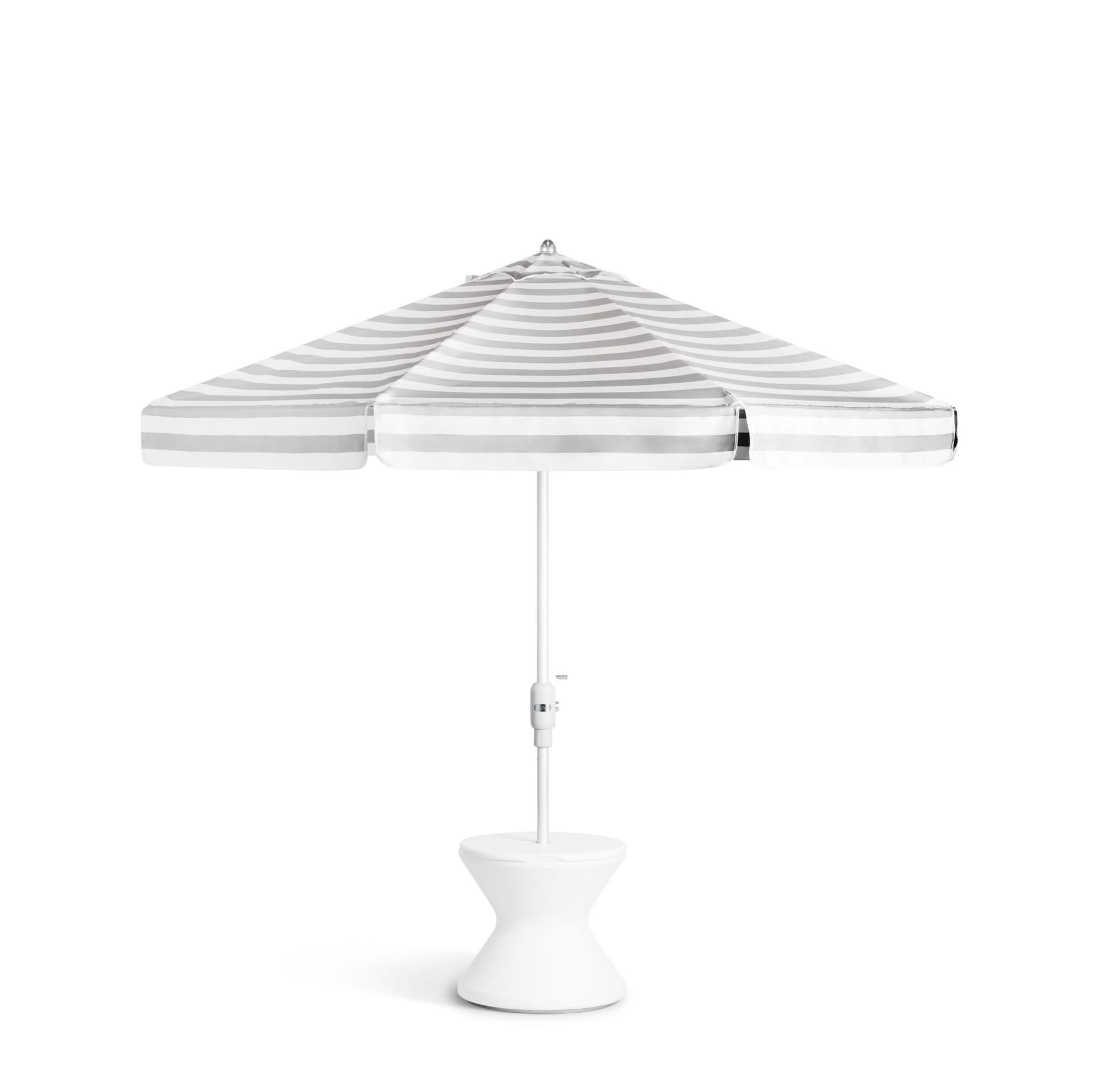
Quick Answer: White background photography is required for Amazon and most marketplace main images, while lifestyle photography drives brand awareness and emotional connection : most successful brands use both, and AI-assisted workflows now make it affordable to get both from a single shoot.
Walk into any creative agency pitch meeting in Austin, and this question comes up within the first ten minutes: "Should we go with lifestyle imagery or clean white background shots?"
The answer is rarely simple. Your e-commerce manager wants white backgrounds for Amazon compliance. Your creative director wants moody lifestyle shots for Instagram. Your CFO wants to know why you can't just use iPhone photos from the office.
Here's the reality: both approaches serve different purposes, and the brands that win are the ones that understand exactly when to use each style: and increasingly, how to combine them without doubling their production budget.
According to research from Shopify, image quality is the single most cited factor consumers reference when deciding whether to trust an online retailer. Studies from BigCommerce show that product pages featuring lifestyle imagery alongside standard product shots convert up to 20% higher than pages with white background images alone. Research from HubSpot's marketing reports indicates that visual content is 40 times more likely to be shared on social media than text-only content : making lifestyle photography essential for organic reach, not just direct conversion.
This guide breaks down the real differences between lifestyle and white background product photography, when each approach makes sense, platform-specific requirements, and how AI technology is making hybrid approaches more accessible than ever.
What is White Background Product Photography?
White background product photography (often called "packshot" or "cut-out" photography) features your product isolated on a pure white background, typically RGB 255, 255, 255. The product is centered, evenly lit, and shown without context or environmental distractions.
This is the standard you see on Amazon, most product detail pages, and catalog photography. The goal is simple: show the product clearly, accurately, and without distraction.
When White Background Photography Works Best
E-commerce platforms with strict requirements. Amazon, Walmart, and most major marketplaces require a pure white background for main product images. No exceptions, no creative interpretation. If you're selling on these platforms, white background shots are non-negotiable.
Technical products where details matter. If you're selling industrial equipment, electronics, or anything where customers need to see precise specifications, white backgrounds eliminate distraction and let the product speak for itself.
Multi-SKU catalogs. If you're shooting 200 products for a catalog or website, white backgrounds create visual consistency and keep production costs manageable. Customers can compare products side-by-side without environmental variables confusing the decision.
When the product itself is the hero. Some products: beautifully designed watches, sculptural furniture, or luxury packaging: are strong enough to stand alone. Adding environmental context can actually diminish their impact.
The Limitations of White Background Only
Here's the problem: white background photography is clinically effective, but emotionally flat. It shows what the product looks like, but not how it makes people feel or how it fits into their lives.
You can see every detail of a coffee mug on a white background. But you can't imagine yourself holding it on a Sunday morning, steam rising, sunlight coming through the kitchen window. That emotional connection is where lifestyle photography takes over.
What is Lifestyle Product Photography?
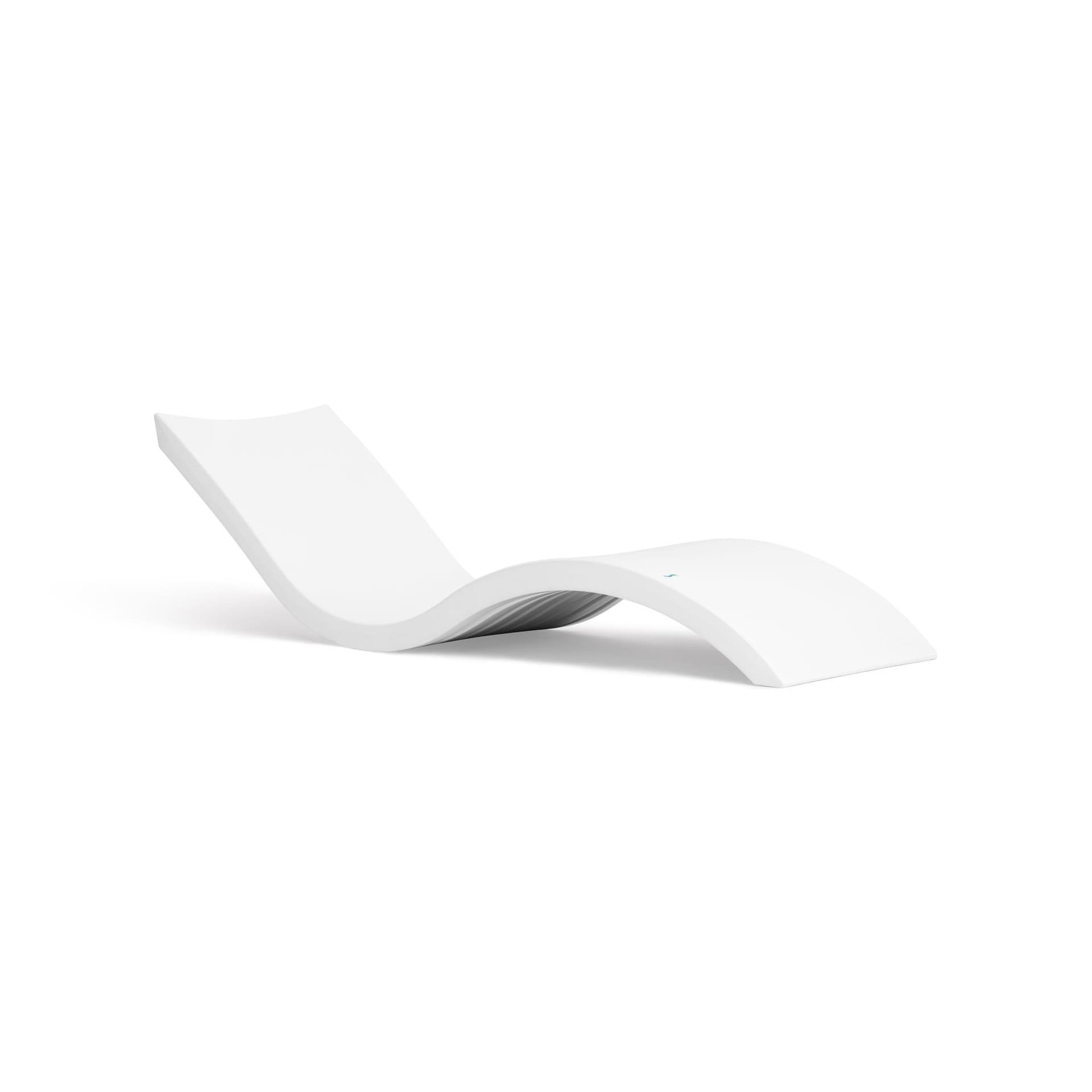
Lifestyle product photography shows your product in context: in the hands of a person, on a kitchen counter, at a campsite, or anywhere that communicates how the product is actually used. The environment, props, models, and styling all work together to tell a story.
This is the imagery you see on brand websites, Instagram feeds, email campaigns, and anywhere brands are trying to build desire rather than just communicate specifications.
When Lifestyle Photography Works Best
Building brand identity. If you're not just selling a product but building a brand, lifestyle imagery is essential. It communicates values, aesthetic, and the aspirational elements that turn casual buyers into loyal customers.
Social media and advertising. Instagram, Facebook, and TikTok are visual-first platforms where context and storytelling matter more than product specifications. Lifestyle imagery stops the scroll and creates emotional engagement.
Premium or aspirational products. If your product is part of a lifestyle purchase: outdoor gear, wellness products, fashion, home goods: customers need to see themselves in the story. A yoga mat on a white background is just foam. A yoga mat on a sunlit studio floor with a person mid-pose is a promise of transformation.
Demonstrating use cases. Some products are hard to understand without context. A modular storage system makes more sense when you see it organizing a real closet. A portable speaker needs to be shown at the beach, not floating in white space.
The Limitations of Lifestyle Only
Lifestyle photography is expensive and time-consuming. You need locations (or location builds), models, props, stylists, and often permits. A single lifestyle shoot at our Austin studio can involve a crew of 5-10 people and take a full day to execute.
And while lifestyle imagery is emotionally powerful, it doesn't replace the need for clear, accurate product shots. Customers still need to see exactly what they're buying before they click "add to cart."
Platform-Specific Requirements: Where Each Style Lives
Different platforms have different expectations, and understanding these rules will save you from costly re-shoots.
Amazon and Major Marketplaces
Main image: Must be pure white background (RGB 255, 255, 255). The product must fill at least 85% of the frame. No props, no text, no lifestyle context.
Secondary images: Can include lifestyle shots, infographics, size comparisons, and detail shots. This is where you add context and storytelling.
Strategy: Lead with compliance (white background main image), then use positions 2-7 for lifestyle and educational content.
Instagram and Social Media
Primary focus: Lifestyle imagery that fits your aesthetic and stops the scroll. White background shots feel out of place unless you're leaning into a minimal, clinical brand aesthetic.
Strategy: Use lifestyle imagery for feed posts and stories. Reserve white background shots for product tags and shoppable posts where clarity matters more than mood.
Your Brand Website
Homepage and landing pages: Lifestyle imagery that communicates brand values and emotional benefits.
Product detail pages: A hybrid approach. Lead with lifestyle imagery that shows the product in context, then include white background shots for 360-degree views, color variations, and detailed inspection.
Strategy: Use lifestyle photography to get people interested, then white background shots to close the deal.
Email Campaigns
Promotional emails: Lifestyle imagery that tells a story and builds desire.
Transactional emails: White background shots for order confirmations and shipping notifications where clarity is more important than aesthetics.
The Hybrid Approach: Best of Both Worlds
.jpg&w=1920&q=75&dpl=dpl_3UDUKC8uyeW3ZYpZ6V9RSR61G7kR)
The smartest brands don't choose between lifestyle and white background: they use both strategically. But traditionally, this meant doubling your production budget.
Here's the typical cost breakdown: - White background shoot: $500-1,500 per product (depending on complexity) - Lifestyle shoot: $3,000-10,000+ per shoot (location, crew, models, props)
For a 20-SKU product line, you're looking at $40,000-80,000 to get both styles. That's why most brands pick one or the other, or compromise with lower-quality DIY attempts.
How AI Changes the Economics
At our studio in Austin, we've built a workflow that combines traditional packshot photography with AI-generated lifestyle environments. Here's how it works:
Step 1: We shoot your product on a white background using professional lighting and equipment. This gives us the clean, accurate product image required for Amazon and detail pages.
Step 2: We use AI compositing to place that same product into photorealistic lifestyle environments: kitchen counters, living rooms, outdoor scenes, whatever matches your brand.
The result: You get both white background and lifestyle imagery from a single product shoot, at a fraction of the cost of traditional lifestyle production.
Real example: We recently worked with a cookware brand that needed white background shots for Amazon and lifestyle imagery for their Instagram feed. Traditional approach would have been a $2,000 studio shoot plus a $8,000 lifestyle shoot with a food stylist and kitchen location.
Instead, we shot clean packshots in our studio for $2,500, then used AI to composite the cookware into 15 different lifestyle scenes: modern kitchens, rustic farmhouse tables, outdoor grilling setups: for an additional $1,200. Total cost: $3,700 instead of $10,000, with more variety in the final deliverables.
Lifestyle vs. White Background: Quick Comparison
| Factor | White Background | Lifestyle | AI-Assisted Hybrid | |. . --|. . . . . --|. . . --|. . . . . . -| | Amazon compliance | ✅ Required for main image | ❌ Not allowed for main image | ✅ Start with white bg | | Emotional storytelling | Limited | Strong | Strong | | Production cost | $500–$1,500/product | $5,000–$15,000/shoot | $2,000–$4,000/product | | Turnaround time | 2–4 weeks | 4–8 weeks | 2–3 weeks | | Best for | Marketplaces, catalogs | Social media, brand sites | Both channels | | SKU scalability | High | Low | High | | Seasonal variations | Requires reshooting | Requires reshooting | Easy to generate |
Decision Framework: Which Style Do You Need?
If you're planning a product photography project, use this framework to determine your approach:
Choose White Background When: - You're selling on Amazon, Walmart, or other marketplaces with strict requirements - You need catalog consistency across dozens or hundreds of products - The product design is strong enough to stand alone - You're working with a tight budget and need to prioritize compliance over storytelling - Your audience is primarily making technical or specification-based decisions
Choose Lifestyle When: - You're building a brand, not just listing products - Your primary sales channel is Instagram, your website, or brand-focused platforms - The product is aspirational and benefits from emotional context - You need to demonstrate use cases that aren't obvious from the product alone - You have budget for location, crew, and styling
Choose Hybrid (AI-Assisted) When: - You need both compliance and storytelling - You're launching a new product line and need versatility - You want lifestyle variety without traditional lifestyle costs - Your product works in multiple contexts (home, office, outdoor, etc.) - You're willing to embrace new production techniques for better ROI
Common Mistakes Brands Make
Mistake 1: Lifestyle shots that don't show the product clearly. We've all seen Instagram ads where the product is so subtly placed in the scene that you can't actually tell what's being sold. Lifestyle photography should enhance the product, not hide it.
Mistake 2: White background shots that look cheap. Not all white backgrounds are created equal. Uneven lighting, visible shadows, and off-white backgrounds (RGB 248, 248, 248 instead of pure white) make your product look unprofessional. If you're going white background, do it right.
Mistake 3: Using only one style when you need both. If you're selling on Amazon but only shooting lifestyle imagery, you'll scramble to get compliant shots later. If you're building a lifestyle brand but only have white background shots, your Instagram feed will look like a medical supply catalog.
Mistake 4: DIY lifestyle photography that looks DIY. A product awkwardly placed on your kitchen counter with iPhone lighting doesn't count as lifestyle photography. It's better to invest in professional white background shots than to post amateur lifestyle attempts that hurt your brand.
What to Expect from Production
If you're booking a product photography shoot, here's what professional production looks like for each style:
White Background Production - Timeline: 2-4 weeks from booking to delivery - On-set time: 30-60 minutes per product - Deliverables: Multiple angles, detail shots, optional 360-degree views - Cost range: $500-1,500 per product depending on size and complexity - Post-production: Background removal, color correction, retouching
Traditional Lifestyle Production - Timeline: 4-8 weeks from concept to delivery - Prep time: Location scouting, prop sourcing, model casting, shot list development - On-set time: Full day (8-10 hours) for a typical shoot - Crew: Photographer, assistant, stylist, models, sometimes hair/makeup - Cost range: $5,000-15,000+ depending on location, crew, and complexity - Post-production: Retouching, color grading, compositing if needed
AI-Assisted Hybrid Production (Our Approach) - Timeline: 2-3 weeks from booking to delivery - On-set time: 30-60 minutes per product (white background packshot) - AI scene generation: 1-2 weeks for custom lifestyle environments - Deliverables: White background shots + 10-20 lifestyle variations per product - Cost range: $2,000-4,000 for packshots + lifestyle variations - Benefit: Lower cost, faster turnaround, more scene variety than traditional lifestyle
The Future: AI Continues to Blur the Lines
Five years ago, the choice between lifestyle and white background was binary. You picked one based on budget and platform requirements.
Today, AI compositing means you can start with accurate product photography and add lifestyle context without the traditional cost and complexity of full production. This doesn't replace traditional lifestyle photography for every use case: there are still scenarios where nothing beats a real location with real models and real lighting.
But for brands that need both styles, or brands that want to test multiple lifestyle contexts before committing to expensive production, AI-assisted workflows are changing the economics completely.
At 51st & Eighth, we're leaning into this shift. Our Austin studio is equipped for both traditional lifestyle production and AI-enhanced workflows, and we help brands choose the right approach based on their goals, timeline, and budget.
Ready to Shoot Your Product?
Whether you need Amazon-compliant white background shots, Instagram-ready lifestyle imagery, or a hybrid approach that gives you both, we can help you plan a production that actually makes sense for your brand and budget.
We're based in Austin, but we work with brands across the country. If you're planning a product photography project and want to talk through your options, reach out. We'll walk you through what's possible, what it costs, and which approach will get you the best return on your production investment.
Let's build something that works.
Frequently Asked Questions
Q: Do I need lifestyle photos if I'm only selling on Amazon? A: Yes : lifestyle images are encouraged for Amazon's secondary image slots (positions 2–9) even though the main image must be white background. Lifestyle images in those slots improve conversion rates by helping customers visualize the product in their lives. Many sellers report their highest-converting secondary image is a lifestyle shot showing the product in use.
Q: How do I make white background photos look less clinical and boring? A: Lighting and angle make the biggest difference. Slightly directional lighting with subtle shadow creates dimension without violating background rules. Shooting at a gentle 3/4 angle instead of perfectly flat-on adds visual interest. For products with interesting textures or materials, close-up detail shots styled cleanly can add variety while maintaining the white background format.
Q: What's the minimum budget to get both lifestyle and white background photography? A: Using an AI-assisted hybrid workflow : where your product is shot once on white background and AI composites it into lifestyle environments : typically costs $2,000–$4,000 total versus $10,000–$20,000 for traditional separate productions. This approach is the most cost-effective way to get both styles without choosing one over the other.
Q: Can I convert white background images to lifestyle images in Photoshop? A: You can composite your product onto lifestyle backgrounds, but results vary significantly by product type. Simple, hard-edged products (bottles, electronics) composite cleanly. Soft or transparent products (fabric, glassware) are much harder to separate convincingly. Professional AI compositing tools have improved dramatically and are now the industry standard for this kind of conversion at scale.
Ready to elevate your product photography?
Get a free quote from Austin's leading product photography studio.
Get a Free Quote →