The question comes up in almost every initial consultation: "Do we need lifestyle photos, or product photos, or... both?"
It's not a dumb question. Brands use these terms loosely, agencies sometimes use them interchangeably when they shouldn't, and the actual answer depends on factors specific to your product, your channels, and where your brand is in its growth trajectory.
This is the practical breakdown you actually need: what distinguishes these two approaches, when each one is the right call, and how to make the decision without overthinking it.
What We're Actually Talking About
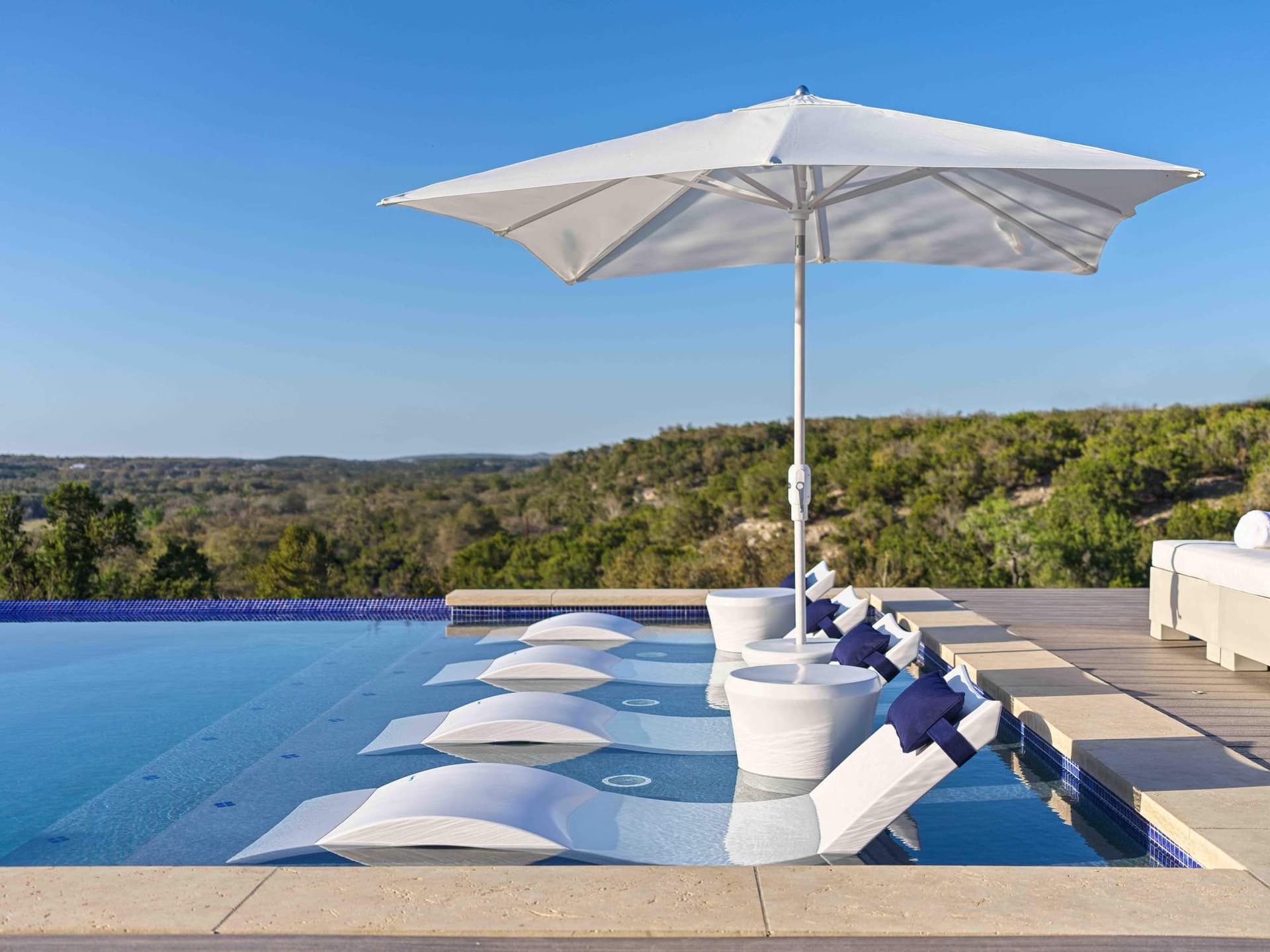
Product photography is controlled, focused, and clean. White backgrounds. Controlled studio lighting. The product is the entire frame: everything else is deliberately removed or minimized so the buyer's attention goes to the object itself. Think Amazon hero images. Shopify product listings. Wholesale catalog pages. The visual goal is accuracy and clarity. Buyers need to know exactly what they're purchasing before they commit.
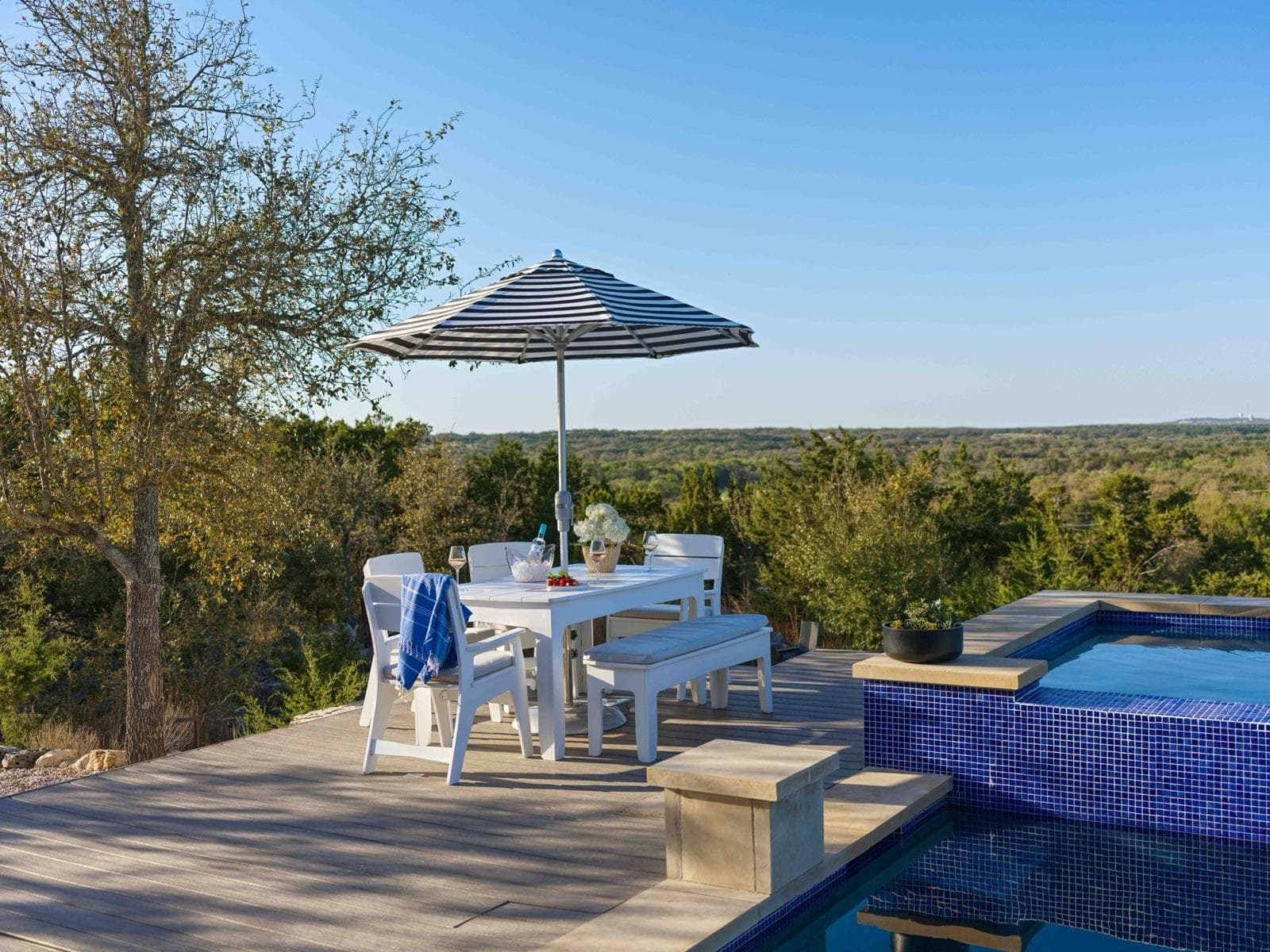
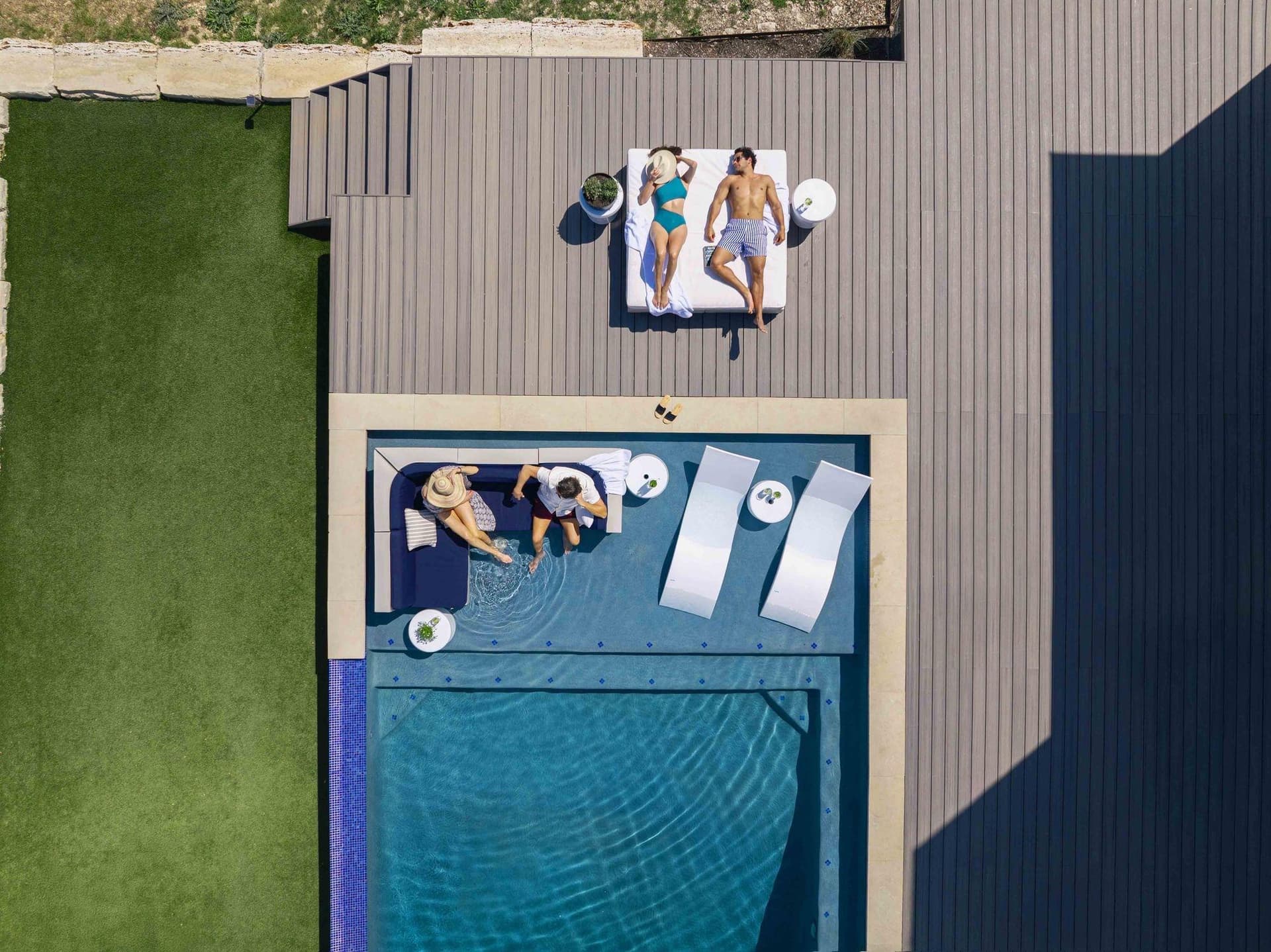
Lifestyle photography puts the product in context. Real or simulated environments. People using the product. A story told around the object rather than just showing the object. Think Instagram campaigns. Brand editorial content. The image communicates not just "this is what the product looks like" but "this is the life you're buying into." The product is present but it's not the only point of interest in the frame.
That's the core distinction. What makes the decision complicated is that most brands need both: just in different proportions and at different stages.
When Product Photography Is the Right Call
E-Commerce Is Your Primary Channel
If you're selling through Shopify, Amazon, Etsy, or any marketplace platform, clean product photography is not optional. Platform guidelines typically require white or near-white backgrounds for primary listing images. Amazon is explicit: primary images must be on a white background with the product filling at least 85% of the frame.
But even where platforms give you latitude, buyer behavior supports product-first images for primary listings. Studies consistently show that clean product images on listing pages outperform lifestyle images for conversion rate. Buyers at the point of purchase want to see the product clearly, confirm it matches what they expect, and evaluate the details. Lifestyle images serve a different function at a different stage of the buying journey.
Your Catalog Is Wide and Needs Consistency
If you're launching 50 SKUs or managing inventory across multiple colorways, ghost mannequin photography, flat lay setups, or controlled white-background work is what makes a consistent catalog possible. You cannot produce lifestyle photography at the scale and speed most product brands need for full catalog coverage.
The math is straightforward: a professional product photography studio can handle 20-80 SKUs in a day depending on complexity. A lifestyle shoot might cover 6-10 hero product moments in the same timeframe. For catalog work, product photography is the only practical approach.
Technical Details Matter for the Purchase Decision
If you're selling anything where the buyer needs to examine specifications: construction details, materials, dimensions, hardware, textures, label information: product photography is where that information lives. Lifestyle photography contextualizes the product beautifully but often sacrifices the clinical detail that converts informed buyers.
Furniture, electronics, skincare (where the label is part of the trust signal), tools, apparel with specific fabric construction: these categories need controlled product shots because the product itself IS the proof.
You're Preparing for Wholesale or Retail Partnerships
Retail buyers, wholesale portals, and B2B catalogs run on product photography. When a buyer at a boutique chain is reviewing your line sheet, they're evaluating whether your product will sell off their shelves. They need clean, accurate images that communicate quality and consistency: not aspirational lifestyle content. If retail expansion is part of your growth plan, a solid product photography foundation is the prerequisite.
When Lifestyle Photography Is the Right Call
Your Brand Story Is Part of What You're Selling
There's a category of purchase where buyers aren't just evaluating a product: they're evaluating whether the brand aligns with their self-image. Fashion, luxury goods, outdoor gear, premium food and beverage, wellness products. For these categories, lifestyle photography isn't supplementary to the brand; it IS the brand expression.
If someone could describe the visual world of your brand with adjectives before they describe your specific product, you need lifestyle photography. That emotional and aspirational layer is what lifestyle content builds, and it can't be faked with a product shot.
Social Media Is a Primary Marketing Channel
Instagram, TikTok, Pinterest: these platforms reward context and story over product isolation. A clean white-background product shot can perform on social, but it's working against the grain of how those platforms operate. Content that performs shows the product in a world that resonates with the audience.
How does this candle smell? You can't answer that on a social platform: but you can show the scene that communicates the feeling. Brands that invest only in product photography and then repurpose those images for social consistently underperform against brands that create lifestyle content specifically for social. The formats serve different goals, and audiences feel the difference even when they can't articulate it.
You're in Hospitality, Food and Beverage, or Services
For restaurants, bars, hotels, and any business where the experience is the product, lifestyle photography isn't one option among several: it's essentially the entire category. You can't show a "product" the way you'd show a physical good. You show atmosphere, craft, and moments. The photography communicates "this is how it feels to be here," and that's a purely lifestyle assignment.
This holds for F&B brands as well. Beverage photography that performs isn't just showing a bottle on a white background: it's showing the bottle sweating on a hot afternoon, poured over ice, in the hand of someone clearly enjoying themselves. The product shot serves the catalog. The lifestyle shot sells the brand.
You're Building Brand Awareness, Not Converting Browsers
Top-of-funnel brand content operates differently than conversion-focused product content. When your goal is recognition, affinity, and getting into a buyer's consideration set before they've decided to purchase, lifestyle imagery is your primary tool. Paid social, brand campaigns, PR, editorial: these are lifestyle photography contexts.
The product photography will be there when the buyer reaches the purchase stage. The lifestyle content is what gets them there in the first place.
When You Need Both (Most Brands Do)
Here's the honest answer: brands that sustain and scale almost always invest in both categories, calibrated to the right channels and moments.
The practical split for most product brands:
- Product photography handles the catalog, the e-commerce listings, the operational visual needs. This is often the larger volume of images.
- Lifestyle photography handles the brand story, the campaign content, the social feeds, the hero images on landing pages. This is often the higher-impact individual image.
The ratio shifts depending on your category. A DTC supplement brand might run 80% product to 20% lifestyle. A fashion brand might flip that. A food and beverage brand might be 90% lifestyle in its marketing even if product shots anchor the e-commerce listings.
What doesn't work: brands that invest only in one type and then try to make it do both jobs. Lifestyle images used as e-commerce product shots create buyer confusion about what they're actually purchasing. Product shots used as brand content create the impression of a brand that isn't really trying.
A Practical Decision Framework
If you're working through which type to prioritize, here's the filter we walk clients through:
1. What's your primary conversion channel? Marketplace (Amazon, Etsy) or direct e-commerce with product listings? Start with product photography. Social-first or brand-first business? Start with lifestyle.
2. What does your buyer need to feel confident purchasing? Technical product details and specifications? Product photography. Confidence that this brand aligns with their taste and identity? Lifestyle photography.
3. What stage is your brand at? Early-stage with limited budget: product photography to cover the catalog, lifestyle for 3-5 hero moments you can reuse across channels. Established brand with a real marketing budget: both categories with dedicated shoots for each.
4. What's the current gap in your visual library? If your product content is strong but your social feed is all product shots repurposed from listings, the gap is lifestyle. If you have beautiful brand content but conversion rates on product pages are lagging, the gap is product photography.
Austin Context
Austin's brand landscape skews toward categories where lifestyle photography carries significant weight: F&B, hospitality, outdoor and active lifestyle, fashion, wellness. The city's visual culture is strong, and brands here compete on aesthetic coherence, not just product quality.
That said, Austin also has a growing DTC e-commerce and CPG sector that needs operational product photography to cover Amazon and Shopify catalogs at scale. Both categories are in demand. The best creative work in this market usually comes from brands investing in both strategically: using lifestyle content to build the audience and product photography to convert it.
Cost Comparison
Realistic ranges for Austin: not the cheapest available, not the most expensive:
Product photography: - Day rate with editing: $2,500-5,500 - Per-image rates: $30-150 depending on complexity - Volume throughput: 20-80 images per day
Lifestyle photography: - Day rate with editing: $4,000-10,000 (more variables: location, talent, crew size, styling) - Per-image rates: $150-500 - Volume: 6-15 hero images per day
The cost difference reflects real differences in logistics. Lifestyle shoots involve location scouting or set building, talent coordination (model, stylist, potentially makeup and wardrobe), and typically lower image volume from larger production budgets. Product photography is more controlled and inherently more scalable.
Where AI Compositing Changes the Calculus
One development worth knowing about: AI-composited imagery is blurring the line between these two categories in ways that matter for brand budgets.
The traditional problem with lifestyle photography at scale was cost and speed: you couldn't produce lifestyle-quality context at the volume or price of product photography. AI compositing is changing that. We capture the product with studio precision: the accuracy and detail of product photography: and composite it into generated environments that create the lifestyle context.
The result looks like a lifestyle image because the environment and context are real. But the product accuracy is maintained because the product capture was controlled. For brands that need to show their product in multiple settings without the budget for multiple location shoots, AI compositing is a real production option: not a workaround.
This doesn't replace lifestyle photography for everything. Talent-driven content (people actually using products), location-specific editorial work, and brand content where the authenticity of the environment matters: those still need real lifestyle shoots. But for brands building out their visual library across multiple contexts and color environments, the math on AI compositing is worth running.
The Bottom Line
Product photography is the foundation of e-commerce and catalog operations. Lifestyle photography is the foundation of brand story and social content. Most brands need both, sequenced to their priorities and calibrated to their channels.
If you're not sure which gap to close first, the fastest diagnostic: look at where your brand is losing buyers. If conversion rates on product pages are the problem, invest in product photography. If you're not getting into buyers' consideration sets in the first place, invest in brand and lifestyle content.
We do both. [Get in touch](/contact) if you want an honest read on what your current visual library is missing: or explore our AI Studio if you want to see how AI compositing can deliver lifestyle-quality context at product photography economics.
Ready to elevate your brand and product photography?
Get a free quote from Austin's leading brand photography studio.
Get a Free Quote →