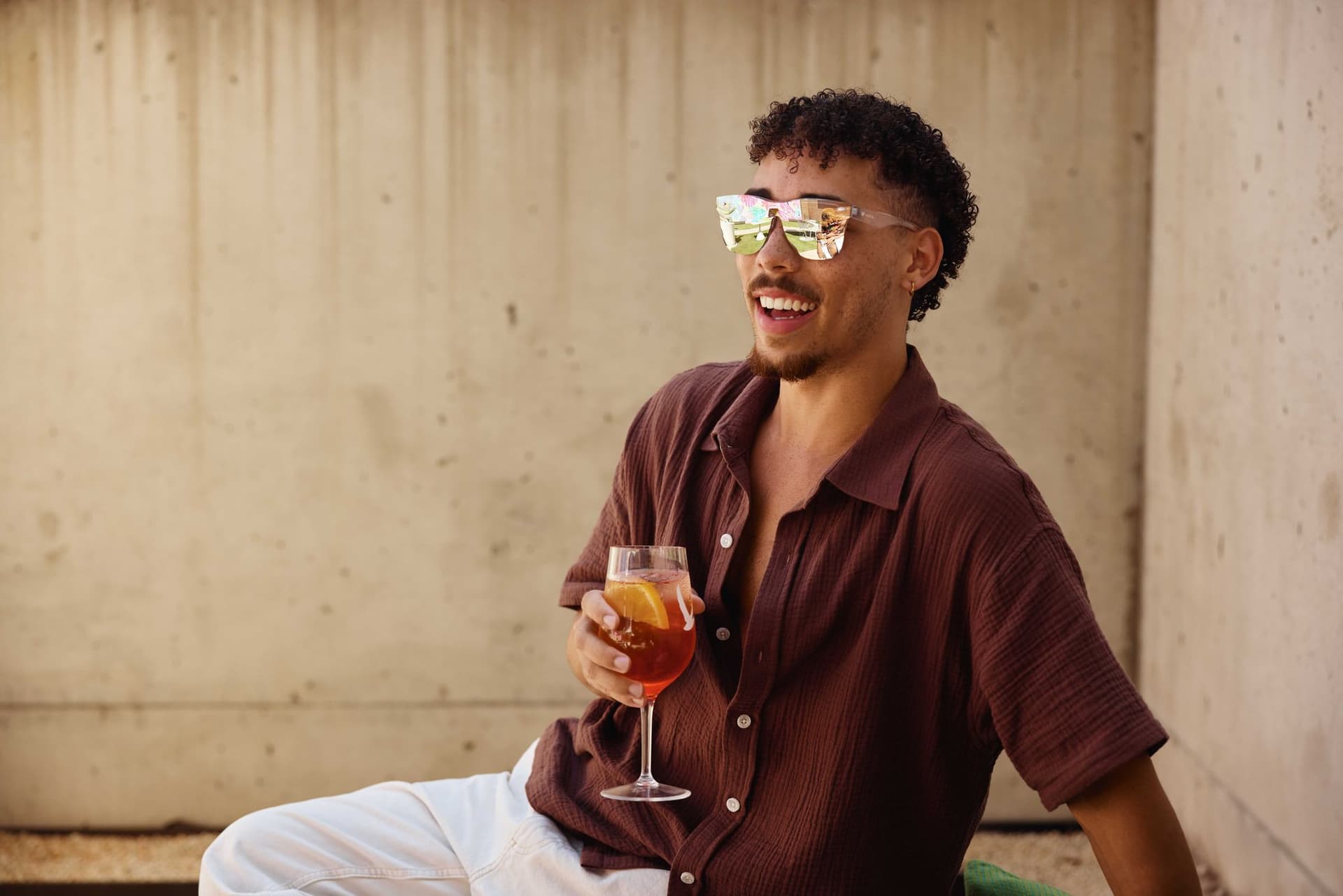
Quick Answer: Professional hospitality photography in Austin runs $2,500: $8,000 per shoot depending on venue size and deliverable count. Hotels, restaurants, and bars that invest in professional imagery see measurable increases in online bookings, reservations, and foot traffic: because platforms like Google, OpenTable, Yelp, and Instagram are visual-first. A single shoot typically covers interior spaces, food and drink, lifestyle moments, and exterior shots, with turnaround in 5: 10 business days.
Austin's hospitality industry is in a different gear than it was five years ago. The city added over 5,000 hotel rooms between 2020 and 2025. New restaurants open weekly. Cocktail bars are becoming destinations in their own right. The competition for attention: and for bookings: has never been more intense.
Here is the reality that most venue owners already feel but haven't fully acted on: the decision to book a hotel room, make a dinner reservation, or visit a bar for the first time almost always starts with a screen. A Google search. An Instagram scroll. A Yelp listing. And in that moment, your photography is doing the selling. Not your menu. Not your room amenities. Not your cocktail list. Your images.
The venues winning in Austin right now are the ones that treat photography as infrastructure, not decoration. This guide covers everything hospitality businesses need to know about professional photography: what it involves, what it costs, how it drives revenue, and how to get it done right.
How Photography Drives Hospitality Bookings
Before we get into the logistics of a shoot, it is worth understanding exactly how images translate to revenue in the hospitality industry. This is not abstract. The data is clear.
Google Business Profile and Search
Google is the single largest driver of discovery for hotels, restaurants, and bars. When someone searches "boutique hotel Austin" or "best cocktail bars Rainey Street," Google serves up listings with photos front and center. Businesses with high-quality photos on their Google Business Profile receive 42% more requests for directions and 35% more click-throughs to their websites than those without (Google, 2023).
For hotels specifically, Google's hotel search module displays photos prominently in the booking comparison interface. Travelers are comparing your rooms against three or four competitors in a single glance. If your images are dark, outdated, or clearly shot on a phone, you lose that comparison before price even enters the equation.
OpenTable and Reservation Platforms
OpenTable reports that restaurants with professional photos receive up to 2x more online reservations than those with amateur or no imagery. Diners are making decisions based on what the space looks like, what the food looks like, and whether the vibe matches what they want for their evening.
This is especially true in Austin, where the dining scene skews experiential. People are not just looking for good food: they are looking for a setting that matches the occasion. A date night restaurant needs to look like a date night restaurant. A casual brunch spot needs to feel warm and inviting. Photography communicates all of this instantly.
Yelp and Review Platforms
Yelp's own research indicates that businesses with a strong photo gallery generate more engagement and higher perceived ratings than those relying solely on user-uploaded images. The problem with user-generated photos is that they are uncontrolled: bad lighting, unflattering angles, half-eaten plates. A professional photo set on your Yelp page anchors the visual impression and gives reviewers a standard to reference.
Instagram and Social Media
For bars and restaurants especially, Instagram is a direct revenue channel. Venues with a strong visual presence attract followers who become regulars. More importantly, professional imagery gives you a content library that sustains your social media presence for months without requiring constant new shoots.
A well-photographed cocktail bar can post consistently for 8: 12 weeks from a single shoot. A restaurant with seasonal menu photography has fresh content every quarter. Hotels with room and amenity photography have evergreen assets that work across Instagram, Facebook, Pinterest, and paid advertising simultaneously.
What Hospitality Photography Actually Covers
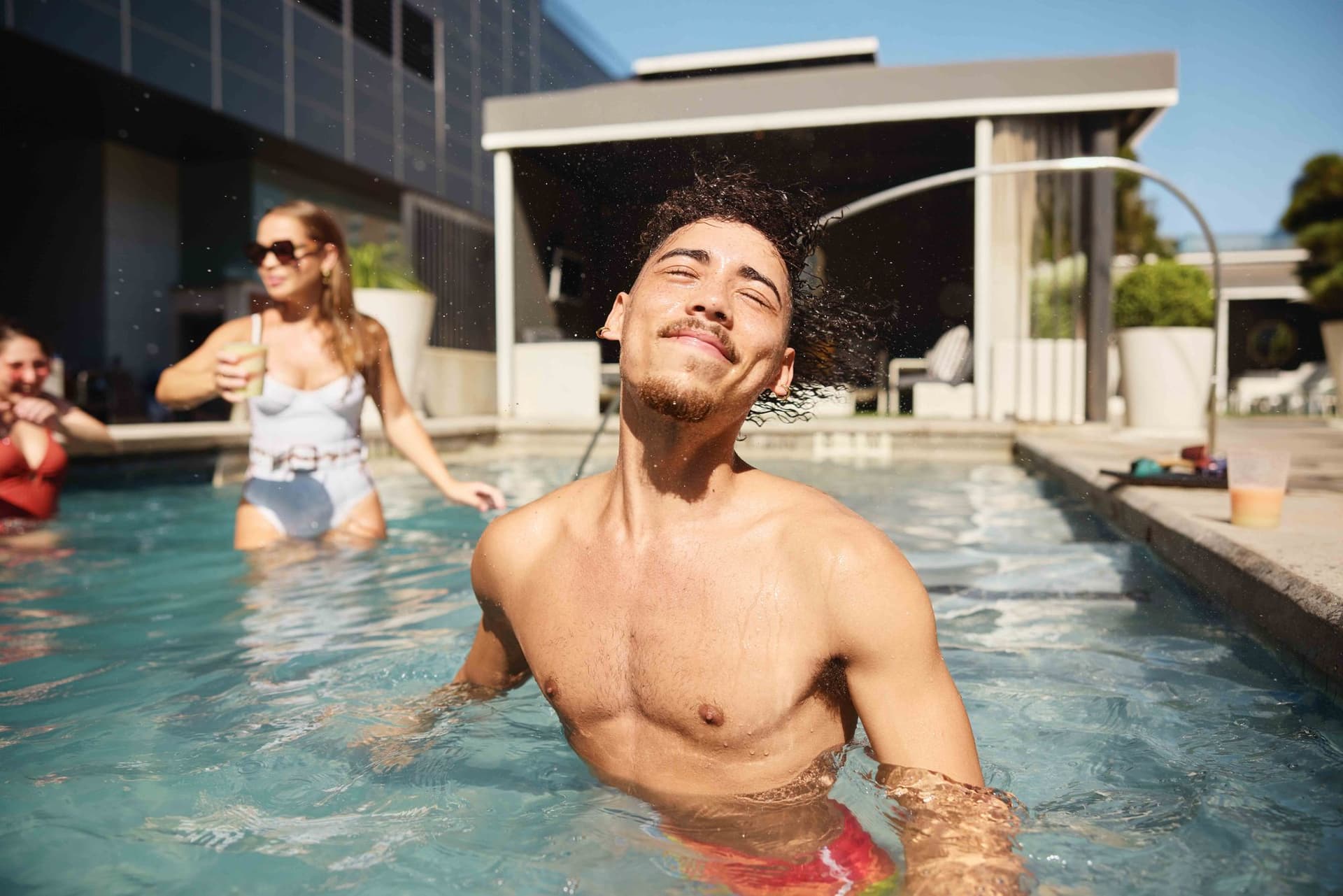
A hospitality shoot is not one thing. It is a system of images designed to cover every touchpoint where a potential guest or diner might encounter your venue. Here is what a comprehensive shoot typically includes.
Hotel and Boutique Hotel Photography
Hotel photography is its own discipline. It requires an understanding of architectural space, natural and artificial lighting, and the way guests actually experience a property. A good hotel shoot covers:
Room photography. Every room type needs to be shot: not just the suite you are most proud of. Guests booking a standard king want to see what their standard king looks like. Wide shots establish the space. Detail shots highlight the finishes, linens, and amenities that justify your rate. The lighting needs to feel warm and inviting without obscuring the actual colors and textures of the room.
Lobby and common areas. The lobby is the first physical impression and often the first visual impression online. Lobbies, lounges, coworking spaces, pool areas, fitness centers, and rooftop decks all need coverage. These images do double duty: they sell the property to potential guests and they serve as event and meeting space marketing.
Exterior and architectural shots. The building itself, the entrance, the signage, the surrounding streetscape. For boutique hotels in Austin, the exterior often communicates neighborhood identity: South Congress, East Austin, Rainey Street, the Domain. Guests want to know what the area feels like before they arrive.
Lifestyle and guest experience. The most effective hotel photography includes people. A couple having coffee on a balcony. A guest working in the lobby lounge. Friends gathering at the rooftop bar. These lifestyle images are what drive social media engagement and give potential guests a vision of themselves in the space.
We have shot properties ranging from boutique hotels to W Hotels, and the common thread is always the same: the properties that invest in professional imagery outperform on every booking platform.
Restaurant Photography
Restaurant photography sits at the intersection of interior design, food styling, and brand storytelling. A complete restaurant shoot includes:
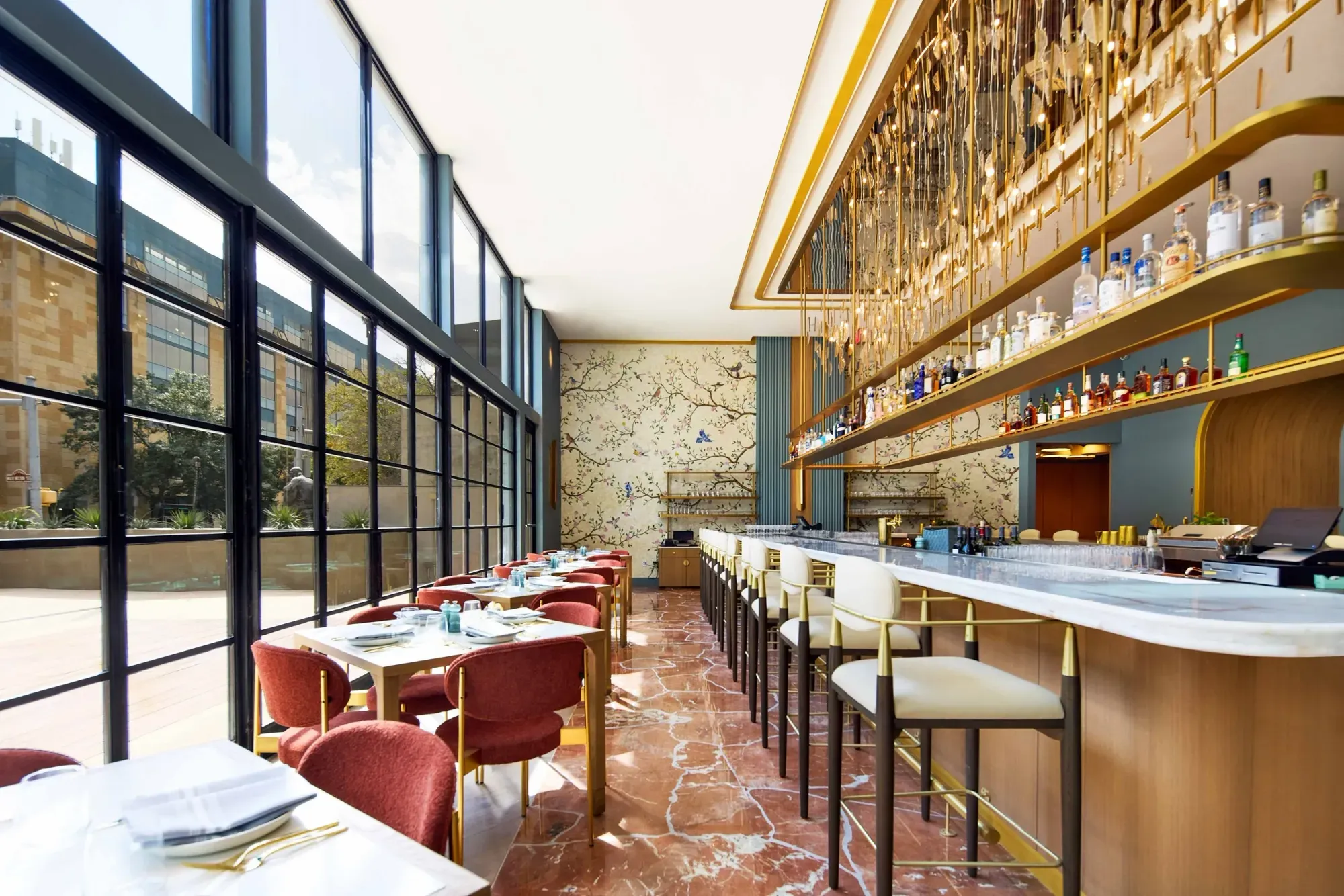
Interior and atmosphere. The dining room, the bar area, private dining spaces, patios, and any architectural features that define the experience. Lighting is critical here: restaurants are designed to look good in person, but camera sensors see differently than human eyes. A professional photographer knows how to capture the warmth and mood of a dimly lit dining room without making it look dark or murky.
Food photography. This is where most restaurants either invest properly or cut corners that cost them. Food photography for hospitality is different from editorial food photography. The goal is not to create art: it is to make someone hungry and ready to book a table. Signature dishes, seasonal specials, and the items that define your menu all need professional treatment.
We have worked with restaurant groups like Zanti, a Houston-based Tex-Mex restaurant group, on exactly this kind of work: capturing the food, the space, and the energy that makes each location feel distinct even within a multi-unit brand.
Bar and drink photography. If your restaurant has a cocktail program, it deserves its own attention. Beautifully photographed cocktails drive social sharing and communicate the level of craft behind your bar program.
Team and kitchen shots. The chef plating a dish. The bartender building a cocktail. The host greeting guests. These human moments add warmth and authenticity to your visual library and work exceptionally well on social media and "About" pages.
Bar and Lounge Photography
Bars present unique photographic challenges because they are often at their best in low light: which is exactly when cameras struggle most. Professional bar photography requires:
Moody, atmospheric interior shots. Capturing the vibe of a cocktail bar without losing detail in the shadows is a technical challenge that separates professional work from amateur attempts. The goal is to convey the feeling of being in the space: the warm glow of pendant lights, the texture of a marble bar top, the amber of a well-made Old Fashioned.
Cocktail and beverage photography. Individual cocktail shots, flight presentations, beer and wine service, and signature drinks. These are your highest-performing social media assets and your most effective visual selling tools on Yelp, Google, and your own website.
Crowd and energy shots. An empty bar tells no story. The best bar photography includes moments of life: patrons laughing, bartenders pouring, the energy of a Friday night. These images require a photographer who can work quickly and unobtrusively in a live environment.
Exterior and signage. Especially for bars in Austin's competitive entertainment districts, exterior photography helps potential visitors identify and locate your venue. A well-lit exterior shot also performs well in Google Maps and directory listings.
Event Venue Photography
For venues that host private events, weddings, corporate functions, or live entertainment, event-specific photography is essential. Event planners and corporate bookers make decisions based almost entirely on venue photos. This includes:
- Empty room configurations (theater, banquet, reception, classroom)
- Decorated and styled setups showing the space in use
- Technical details like AV capabilities, staging areas, and green rooms
- Outdoor spaces set up for events
What to Expect From a Hospitality Photography Shoot
If you have never done a professional hospitality shoot, here is what the process typically looks like from initial contact to final delivery.
Pre-Production (1: 2 Weeks Before the Shoot)
Discovery and shot list development. We start by understanding your venue, your brand, and where these images will be used. A boutique hotel targeting leisure travelers needs different imagery than one focused on corporate events. A fine dining restaurant needs a different visual approach than a fast-casual concept.
Scheduling and logistics. Hospitality shoots are highly dependent on timing. Hotels are best shot when rooms are freshly made up and common areas are quiet: typically mid-morning on a weekday. Restaurants may need two sessions: one during the day for interiors and food, and one during service for atmosphere and lifestyle shots. Bars almost always require an evening session.
Styling and preparation. We provide a detailed prep guide covering everything from table settings to flower arrangements to which lights should be on or off. The details matter. A wrinkled napkin or a fingerprinted wine glass will cost time in retouching that is better spent getting the shot right in camera.
Shoot Day
A typical hospitality shoot runs 4: 8 hours depending on venue size and deliverable count. For a full hotel property, we may recommend a full day or even two half-days to capture different lighting conditions. For a single restaurant location, a half-day session often covers interior, food, and atmosphere.
The photographer works systematically through the shot list, adjusting lighting as needed for each space. Food photography is typically done in a controlled area where dishes can be plated, styled, and shot without disrupting kitchen operations.
Post-Production (5: 10 Business Days)
After the shoot, images go through professional editing: color correction, exposure adjustments, lens distortion correction, and selective retouching. For hospitality work, the editing style should feel natural and inviting, never over-processed. Guests should walk into your venue and feel like the photos they saw online.
Final deliverables are typically provided in multiple formats: high-resolution files for print and website use, optimized files for social media, and cropped versions for specific platforms like Google Business Profile and OpenTable.
Budget Ranges for Hospitality Photography in Austin
Pricing varies based on venue size, deliverable count, and complexity. Here are realistic ranges for Austin in 2026:
Single-Location Restaurant or Bar - Half-day shoot (4 hours): $2,500: $4,000 - Deliverables: 40: 60 edited images - Covers: Interior, food (8: 12 dishes), drinks (4: 6), atmosphere, exterior
Boutique Hotel or Inn - Full-day shoot (8 hours): $5,000: $8,000 - Deliverables: 80: 120 edited images - Covers: All room types, common areas, exterior, lifestyle, amenity details
Multi-Location Restaurant Group - Per-location rate: $2,000: $3,500 (with multi-location discount) - Deliverables: 30: 50 edited images per location - Covers: Consistent visual system across all locations
Event Venue - Half-day to full-day: $3,000: $6,000 - Deliverables: 50: 80 edited images - Covers: Empty configurations, styled setups, architectural details, outdoor spaces
Ongoing Content Retainer - Monthly or quarterly shoots: $1,500: $3,000 per session - Ideal for: Restaurants with seasonal menus, bars with rotating cocktail programs, hotels refreshing room inventory - Deliverables: 20: 30 fresh images per session
These ranges include pre-production planning, shoot-day coverage, professional editing, and final delivery. They do not include food styling (if a dedicated stylist is needed) or model fees for lifestyle shots with professional talent.
How Often Should Hospitality Venues Update Their Photography?
This depends on the type of venue, but here are general guidelines:
Hotels: Every 2: 3 years for a full property reshoot, or whenever significant renovations are completed. Lifestyle and seasonal imagery should be refreshed annually.
Restaurants: Every 6: 12 months for menu photography updates, especially if your menu changes seasonally. Interior photography should be refreshed every 1: 2 years or after any renovation.
Bars: Every 12: 18 months for a full shoot. Cocktail photography should be updated when your menu changes significantly: usually 2: 3 times per year.
Event venues: Every 2: 3 years, or after any major upgrades to AV, decor, or outdoor spaces. Styled event photos can be captured at actual events throughout the year with permission from the hosts.
Frequently Asked Questions
How much does hospitality photography cost in Austin?
A professional hospitality shoot in Austin typically ranges from $2,500 for a single restaurant or bar session to $8,000 or more for a full hotel property. Multi-location restaurant groups can negotiate per-location rates of $2,000: $3,500. Ongoing retainers for seasonal content updates run $1,500: $3,000 per quarterly session.
Do I need to close my venue for a photo shoot?
Not necessarily. Hotel rooms and common areas are typically shot during low-occupancy periods. Restaurant interiors and food are often shot before service begins. Atmosphere and lifestyle shots may require a brief window during actual service or a staged session with staff. Bars usually need one evening session. A good photographer works around your operations, not against them.
What is the difference between hospitality photography and real estate photography?
Real estate photography is designed to sell or lease a space: wide angles, bright lighting, maximum square footage visibility. Hospitality photography is designed to sell an experience: mood, atmosphere, emotional connection, and the feeling of being a guest. The technical approach, editing style, and deliverables are fundamentally different. Using a real estate photographer for your hotel or restaurant almost always produces images that feel cold and transactional.
How long does it take to get final images after a shoot?
Typical turnaround is 5: 10 business days for a standard hospitality shoot. Rush delivery (2: 3 business days) is available for an additional fee. For large hotel properties with 100+ deliverables, allow 10: 14 business days for complete editing and delivery.
Can I use the photos on all platforms: Google, Yelp, Instagram, my website?
Yes. Professional hospitality photography is delivered with full commercial usage rights. You can use the images across your website, social media, Google Business Profile, Yelp, OpenTable, TripAdvisor, print materials, advertising, and PR. We deliver images in multiple formats optimized for each platform.
Should I hire a food photographer separately from an interior photographer?
For most restaurants and bars, no. A hospitality photographer with food photography experience can handle both interior and food work in a single session, which is more efficient and ensures visual consistency across all your images. If you are a high-end fine dining establishment with extremely complex plating, a dedicated food stylist (separate from the photographer) may be worth the additional investment.
<div style="background:#0d1f0e;border:1px solid #2d4a2e;borderRadius:8px;padding:32px;margin:48px 0;textAlign:center"> <p style="color:#6b8f70;fontSize:12px;letterSpacing:2px;textTransform:uppercase;margin:0 0 8px">51st & Eighth</p> <h3 style="color:#f5f5f0;fontSize:24px;fontWeight:600;margin:0 0 12px">Ready to Make Your Hospitality Venue Impossible to Scroll Past?</h3> <p style="color:#a0a09a;fontSize:16px;margin:0 0 24px">We shoot hotels, restaurants, and bars that want to be seen. Austin-based, delivering nationally.</p> <a href="/contact" style="display:inline-block;background:#6b8f70;color:#fff;padding:12px 28px;borderRadius:6px;textDecoration:none;fontWeight:500;fontSize:15px">See Our Brand Photography Work</a> </div>
Ready to elevate your hospitality photography?
Get a free quote from Austin's leading brand photography studio.
Get a Free Quote →