If you've ever wondered how clothing brands get those clean, structured product shots: a jacket that appears to have a body inside it, a collar that sits exactly right, sleeves that hang with natural weight: that's ghost mannequin photography. It's one of the more technically demanding setups in product photography, and it's almost universally misunderstood.
This guide covers how it actually works, what makes it difficult to do well, what it costs, and when a different approach might serve your brand better.
What Ghost Mannequin Photography Actually Is
Ghost mannequin photography (also called invisible mannequin or hollow man photography) is a composite technique. You shoot a garment on a mannequin, then photograph the interior of the garment separately, and combine them in post-production to create an image that looks like a body-shaped form is inside: but without any visible mannequin.
The result is a clean, structured shot that reads as 3D. The collar holds its shape. Shoulders have form and volume. The torso has realistic drape. It looks like someone wearing the garment, but without any of the variables that come with models: different body types, expressions, movement, day rates.
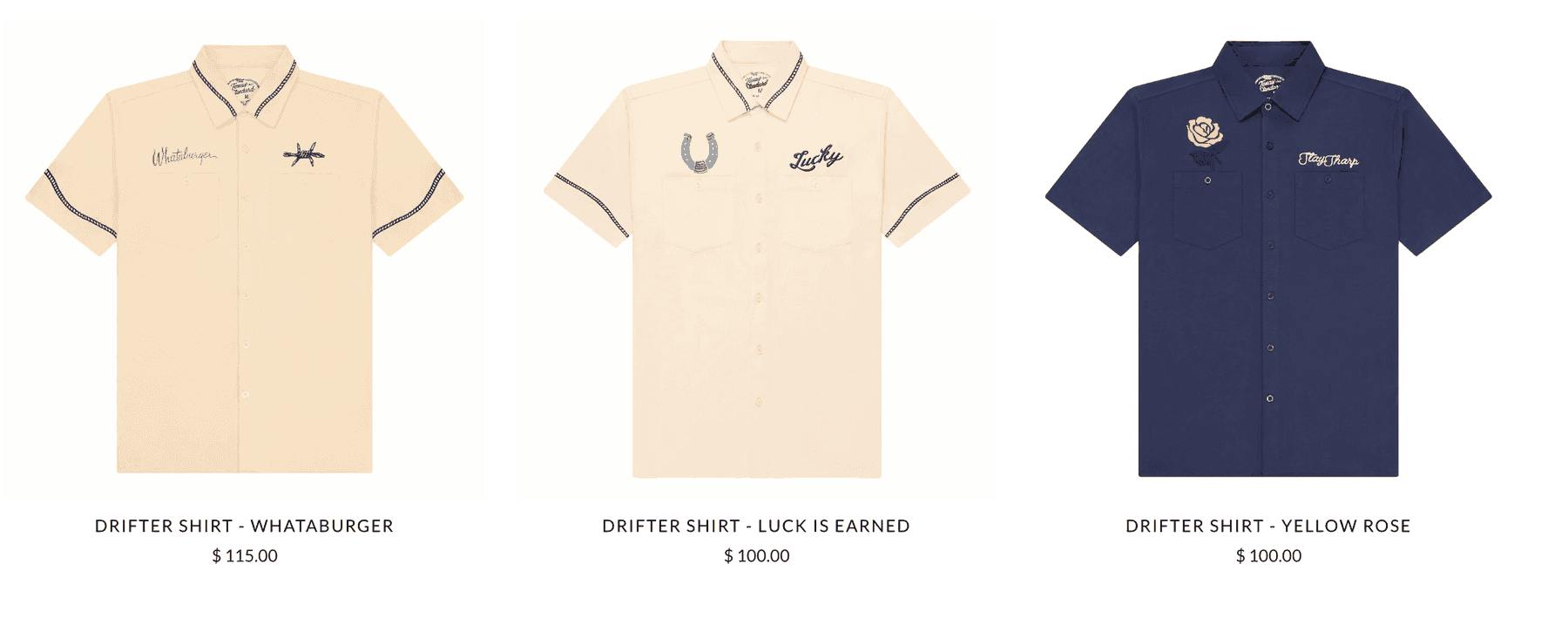
For product listing images on Shopify, Amazon, and wholesale portals, ghost mannequin is the industry standard for apparel. It gives structure without distraction. Buyers can evaluate the garment itself, not the person in it.
Why It's Harder Than It Looks
The technique sounds simple. It's not.
Mannequin selection matters more than most photographers acknowledge. A mannequin that's slightly too wide in the shoulders or too long in the torso makes every garment look slightly wrong. Most studios that do apparel photography have 4-8 different mannequin forms to match different garment styles: a slim fit mannequin for tailored pieces, a relaxed form for casual wear, a separate torso for cropped items.
Garment preparation is 30-40% of the work. Wrinkles and improper garment prep kill ghost mannequin shots. The garment needs to be steamed, clipped, and pinned to create the exact silhouette the brand wants. Clips and pins are hidden from camera angle but create structure where the mannequin doesn't fill out the garment naturally. This prep work is slower with ghost mannequin than almost any other product photography setup.
The composite step requires precision. After shooting the garment on the mannequin (exterior shot) and the garment interior separately (to show collar lining, hem lining, etc.), the two shots are composited in Photoshop. The mannequin is masked out. Interior details are blended in. Shadows and depth are added to maintain the 3D feeling. A properly done ghost mannequin composite takes 15-30 minutes per image. Done quickly, it looks flat and unconvincing.
Lighting for ghost mannequin is specific. The goal is even, controlled light that reveals texture and construction without creating harsh shadows that would look odd once the mannequin is removed. Overhead softbox setups are common, but the exact configuration varies by garment type. Knitwear needs different lighting than leather jackets. Sheer fabrics need controlled backlighting to show drape without blowing out.
How a Ghost Mannequin Shoot Actually Works
Here's what a typical session looks like:
Pre-shoot: Garments are steamed and organized by style. Mannequin forms are selected and configured for each garment category. We set the shooting angle (almost always straight-on for ghost mannequin: slight off-axis adds personality but complicates the composite).
Exterior shots: The garment goes on the mannequin. Stylist preps it: clips, pins, adjusts until the silhouette is right. Shoot front, back, and any relevant detail shots (pocket, collar, cuffs, hardware). For a structured jacket, this might take 12-15 minutes per piece. For a simple t-shirt, 4-6 minutes.
Interior shots: The garment comes off the mannequin. Collar and hem areas are photographed flat or on a small internal form to capture the lining detail that will be composited in. This adds the "inside the garment" view that makes the final image read as complete.
Post-production: Each garment goes through the composite workflow. Mannequin masked, interior blended, shadow added, color corrected, dust removed, final crop applied.
Output: Clean, consistent images at the agreed dimensions (usually 2000x2500 or 2000x2000 for most e-commerce platforms).
What to Expect on Throughput
Ghost mannequin is slower than flat lay and slower than simple white background with a mannequin where you don't do the composite step. Here's a realistic breakdown:
- Simple garments (t-shirts, basic tanks, sweatshirts): 15-20 finished images per day
- Mid-complexity (button-downs, joggers, structured outerwear): 10-15 per day
- Complex garments (tailored jackets, structured coats, multi-component pieces): 6-10 per day
- Accessories photographed in conjunction: Additional 20-30% reduction in garment throughput
If a photographer tells you they can do 60 ghost mannequin shots in a day with full compositing included, be skeptical. Either the composite work is being rushed or the prep is being skipped.
What Ghost Mannequin Photography Costs
Pricing varies by market and the quality level you're targeting, but here are realistic ranges:
Basic (mannequin only, limited post): $30-60 per final image. Usually means minimal post-production, inconsistent prep work, limited garment variety on mannequin sizes.
Mid-range (full ghost mannequin composite, professional prep): $80-150 per final image. This is what most DTC brands should expect to pay for work that's actually e-commerce ready.
High-end (editorial quality ghost mannequin, multiple angles, full retouching): $150-300+ per final image. This is for brands where the photography IS part of the brand identity, not just a listing requirement.
Day rate with post included (our range for full ghost mannequin days): $3,500-6,000 per day depending on garment complexity and final image count expectations.
The cost driver that most brands underestimate is post-production. Ghost mannequin compositing is labor-intensive. If a quote seems unusually low, ask specifically about the composite workflow. Some studios charge for the shoot day and then bill hourly for the composite work separately.
Ghost Mannequin vs. Flat Lay vs. Model Photography
There are three main approaches to apparel e-commerce photography. They're not interchangeable.
Ghost mannequin: Best for structure and silhouette. Shows how a garment fits a body without a model. Works well for everything from basics to tailored pieces. Requires the most technical setup but produces the most consistent, scalable results.
Flat lay: Fastest and most affordable. Works well for simple garments where the 3D structure isn't critical: bandanas, scarves, simple t-shirts, folded knitwear. Falls apart for anything with structured shoulders, lapels, or collar construction. Also increasingly common on social media as a style choice, not just a budget option.
On-model photography: The most compelling visually, the most variable in execution. Shows fit, scale, and lifestyle context. Necessary for any brand where the person wearing the garment is part of the brand story (which is most DTC fashion brands). Expensive when done right (model day rates, stylist, makeup, location or studio) and hard to maintain consistency across a large catalog.
Most apparel brands use a combination: ghost mannequin for their core product catalog (every SKU, every colorway), on-model for hero shots and campaign content, flat lay occasionally for accessories or editorial social content.
Where AI Compositing Fits
AI has changed the calculus on one specific question: does every colorway need a separate ghost mannequin shoot?
Traditionally: yes. A white and navy version of the same jacket both need their own mannequin sessions because the lighting, shadows, and composite work need to reflect the actual garment color.
With AI-assisted colorway multiplication: increasingly no. Once you have a high-quality ghost mannequin shot of one colorway (trained as the base for AI compositing), additional colorways can be generated digitally with accurate fabric rendering. This doesn't work for every garment: complex patterns, unusual textures, and materials with specific light behavior still benefit from real captures: but for solid colors and simple patterns, it's a legitimate production accelerator.
We've used this approach for clients launching large colorway ranges where shooting every variant traditionally would have been cost-prohibitive. The base shots were real ghost mannequin work. The additional colorways were generated from those bases. The final images are indistinguishable.
It's not replacing ghost mannequin photography. It's reducing the number of ghost mannequin sessions needed to cover a full catalog.
Preparing Your Garments for a Ghost Mannequin Shoot
Whether you're working with us or any other studio, here's what we tell clients before a ghost mannequin day:
Steam everything. Twice. Wrinkles in photography are permanent. A wrinkle that looks minor in person looks like a flaw in a product image. Steam every garment within 24 hours of the shoot.
Bring size range, but shoot a hero size. For ghost mannequin, we typically shoot your best-fitting size against the mannequin we have. Bring multiple sizes of each style so the stylist can find the best fit.
Mark your color codes. If you have multiple colorways, mark each garment clearly. Sorting out which navy is "navy" vs. "slate navy" in post-production is not where you want to spend time.
Flag any construction details you want captured. Interior lining, unique pocket design, special hardware: anything that's a selling point needs a dedicated capture angle. Tell us before we start, not after we've already moved on.
Bring any hanging tags or labels you want in certain shots. Some brands want price tags removed entirely. Others want branded hangtags visible. Others want inside tags visible in certain shots. Decide this in advance.
Finding the Right Photographer
Ghost mannequin photography is a specialty. Not every product photographer does it well, and it's worth asking specifically about:
- How many garments can they realistically complete in a day, with compositing included?
- Who does the post-production composite work: the photographer, an in-house retoucher, or an outsourced team?
- What's the turnaround time from shoot day to final delivery?
- Can they show examples of ghost mannequin work specifically, not just general product photography?
- What mannequin sizes and styles do they have?
The answers reveal a lot. A photographer who outsources compositing to a team in another time zone might deliver in 7-10 days. One who handles it in-house might turn around in 3-4. Neither is inherently wrong, but it matters for your launch timeline.
Bottom Line
Ghost mannequin photography is the standard for apparel e-commerce for good reason: it's the most efficient way to show a garment's structure and fit without the variables of model photography. Done well, it's invisible: the viewer just sees the garment as it would look worn, which is the point.
Done poorly: rushed prep, flat compositing, inconsistent lighting: it looks cheap in a way that undermines the brand regardless of how good the product actually is.
If you're launching an apparel line or catalog and want to talk through the right setup for your garment mix, [reach out](/contact). We'll look at your line, tell you what approach makes sense, and give you realistic numbers on timeline and cost. No cookie-cutter quotes: the scope varies too much for that.
Ready to elevate your apparel product photography?
Get a free quote from Austin's leading product photography studio.
Get a Free Quote →