Quick Answer: Professional food product photography combines the technical demands of packaged product work: clean cutouts, consistent lighting, accurate color: with the emotional pull of food styling that triggers appetite. Brands that invest in professional food photography see 30% higher click-through rates on e-commerce listings and up to 50% more engagement on social content compared to DIY alternatives (Salsify, 2024). The difference between a bag of chips that sells and one that sits on a digital shelf is almost always the image.
A CPG founder walked into my studio last fall carrying a cooler bag full of frozen meal kits. She'd been selling direct-to-consumer for eight months. Sales were fine: not great, but fine. She'd shot all her product images on her kitchen counter with her iPhone.
"I know the photos aren't amazing," she said. "But people can see what the product is."
I pulled up her listing next to a competitor's. Same category, similar price point, nearly identical product. The competitor's hero image had the meal kit packaging shot on a matte surface with controlled lighting, the food plated and styled in the background with steam still visible, ingredients fanned out beside it in a way that communicated freshness without looking staged. Hers had a slightly yellow cast, a shadow from her hand holding the phone, and the packaging label was catching a glare that made half the text unreadable.
She looked at both for about three seconds. "OK. I get it."
That's the thing about food product photography: everyone thinks they understand it because everyone takes pictures of food. But there's a canyon between a photo of food and a food product photograph that's engineered to sell. I've been shooting food and CPG brands for years, and the gap between "good enough" and "actually converting" is where most brands lose money they don't even realize they're leaving on the table.
Why Food Product Photography Is Its Own Discipline
Food photography and product photography are both well-established specialties. Food product photography is the overlap: and it's more technically demanding than either one alone.
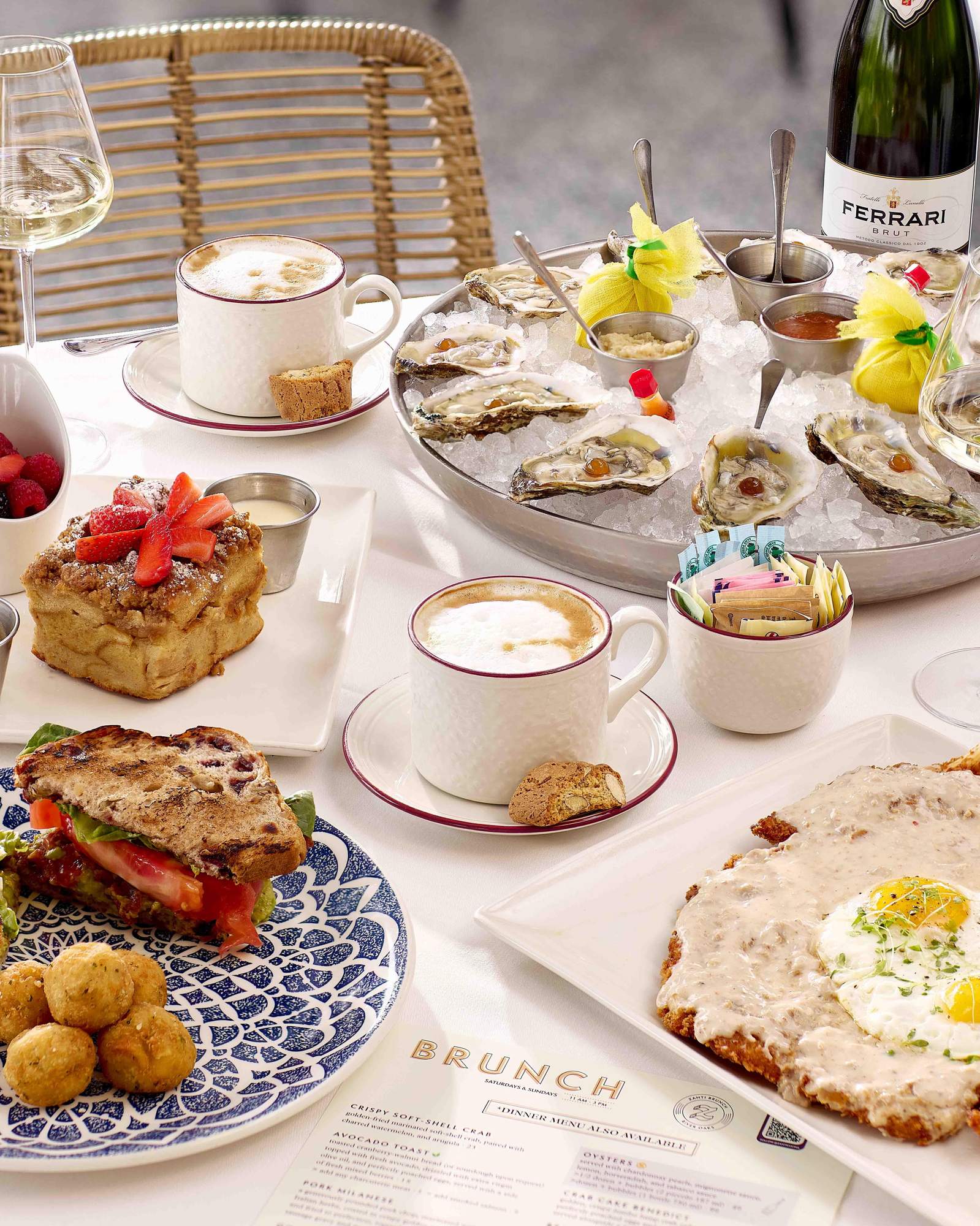
When you're shooting editorial food: the kind you see in magazines or on recipe blogs: the goal is appetite appeal. Make it look delicious. You have creative freedom with angles, styling, even imperfection. A drip of sauce running down the side of a bowl is charming. An artfully scattered crumb is intentional.
When you're shooting standard product photography: say, a bottle of shampoo or a pair of headphones: the goal is accuracy and consistency. Clean background, controlled lighting, every detail visible. The label is sharp, the colors are true, the proportions read correctly.
Food product photography demands both simultaneously. The packaging needs to be technically perfect: label readable, colors accurate, no glare, no distortion. And the food itself needs to look appetizing, fresh, and real enough that someone scrolling through a grocery delivery app at 8 PM actually wants to put it in their cart.
That dual mandate is why so many food brands end up with images that fail. They hire a food photographer who nails the styling but delivers a hero image where the packaging text is soft. Or they hire a product photographer who gets the packaging razor-sharp but makes the food look clinical and cold.
The best food product photography handles both, and it requires a specific skill set that not every commercial photographer has.
The Categories That Need Food Product Photography
Packaged CPG Products
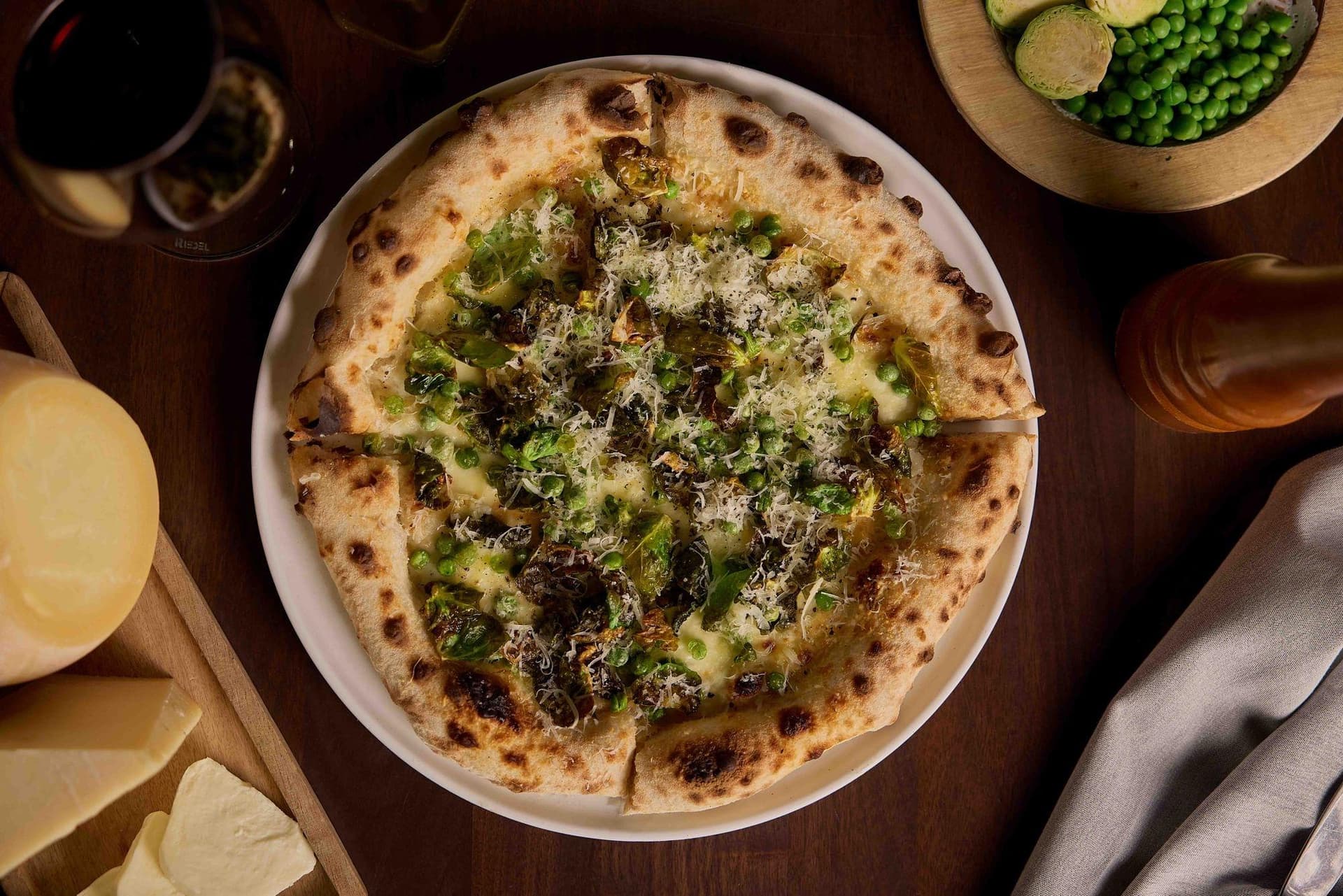
This is the biggest segment by volume. Anything that sits on a retail shelf or appears in an e-commerce listing: snack bars, frozen meals, sauces, seasonings, beverages, supplements with food positioning, meal kits, pet food.
Packaged food photography has strict requirements that vary by retailer. Amazon has specific image dimension and background requirements. Whole Foods, Target, and Walmart each have their own compliance specs for vendor imagery. You need hero shots, lifestyle context images, ingredient callouts, and often size-comparison shots: all from one shoot.
The U.S. packaged food market was valued at $1.07 trillion in 2024 (USDA ERS). That's a massive number of products competing for attention, and most purchasing decisions are now influenced by digital imagery before a customer ever touches a physical package. 81% of consumers research products online before buying in-store (Google/Ipsos, 2024).
Restaurant and Menu Photography
Restaurants need food photography too, but the application is different. Menu boards, delivery app listings (DoorDash, Uber Eats, Grubhub), social media content, and website imagery all require professional food shots.
Restaurants on delivery apps that use professional photography see order rates increase by 25-30% compared to those using phone snapshots or no images (DoorDash Merchant Blog, 2024). That's not a subtle difference: it's the margin between a restaurant that thrives on delivery and one that struggles.
DTC Food Brands
The direct-to-consumer food space has exploded. Subscription snack boxes, artisan sauces, specialty coffee, small-batch everything. These brands live and die by their product imagery because there's no physical shelf to pick up and examine.
DTC food brands typically need the widest range of assets from a single shoot: hero product shots, lifestyle images, subscription box flat-lays, ingredient close-ups, recipe context shots, and social media content. The photography has to carry the entire sales burden because there's no in-store experience to fall back on.
What Makes Food Product Photography Work
Lighting That Separates Packaging From Food
The single biggest technical challenge in food product photography is that packaging and food respond to light completely differently. Packaging: especially anything with a glossy film, metallic accent, or clear window: needs controlled, directional lighting to avoid glare and keep text readable. Food needs softer, more diffused light to look natural and appetizing.
I usually light them separately. Not always with separate setups: sometimes it's a matter of angle and flag placement: but the mental approach is always "two subjects, two lighting solutions." The packaging gets harder, more defined light from one direction. The food gets a broader, softer source, often with a reflector filling in shadows to keep it from going too contrasty.
When I see food product images that look "off" but the client can't articulate why, it's almost always a lighting mismatch. The food looks great but the packaging is blown out. Or the packaging is perfect but the food looks flat and gray.
Color Accuracy Is Non-Negotiable
Color matters in every product category, but in food it's tied directly to appetite. A strawberry that reads slightly orange looks rotten. A piece of grilled chicken that skews too yellow looks undercooked. A green smoothie that shifts even slightly toward brown looks like it's been sitting out for hours.
I shoot tethered to a calibrated monitor on every food product shoot. Not sometimes: every time. And I use a color checker chart at the start of each setup, not just at the beginning of the day. Lighting changes as you adjust for different products, and color accuracy has to be re-established with each setup.
This is even more critical for packaging. If you're shooting a product with specific Pantone brand colors, those colors need to match across every image, every platform, every print application. A CPG brand that shows up on Amazon with slightly different packaging colors than their website and their retail display looks inconsistent at best and counterfeit at worst.
Styling That Serves the Product, Not the Photographer
Food styling for editorial work is about making the photographer look good. Food styling for product photography is about making the product look good. That sounds obvious, but the instinct to over-style is strong.
I work with food stylists on larger CPG shoots, and the conversation I have at the beginning of every job is the same: the food needs to support the product, not upstage it. If we're shooting a pasta sauce, the hero is the jar. The styled pasta in the background is there to show application and trigger appetite: it's not the star.
The best food product styling is invisible. The viewer should feel hungry and trust the product without being able to identify a single styling trick. The moment someone looks at a food product image and thinks "that's styled," you've lost the authenticity that drives conversion.
Backgrounds and Surfaces That Communicate Brand
The surface and background in food product photography carry more brand weight than most people realize. A rustic wood surface says artisan, farm-to-table, small-batch. A clean marble slab says premium, refined, quality ingredients. A bright solid color says modern, DTC, digitally native.
I keep a library of surfaces: probably 30 or 40 at this point: specifically for food work. Different woods, stones, tiles, fabrics, and painted boards. The right surface makes the product feel like it belongs in a specific world. The wrong surface creates cognitive dissonance that the viewer can't name but absolutely feels.
For CPG brands shooting large catalogs, surface consistency across the full product line is critical. If your granola bars are on a warm wood surface and your protein bars are on cool marble, they don't look like they're from the same brand. That visual consistency is what builds the brand experience in someone's Amazon search results or on your website's shop page.
The Technical Requirements Most Brands Don't Know About
Retailer Image Compliance
If you're selling packaged food through major retailers, your product images need to meet specific technical standards. These aren't suggestions: products get delisted for non-compliance.
Amazon requires a pure white background (RGB 255,255,255) for main product images, with the product filling 85% or more of the frame. The image must be at least 1600px on the longest side for zoom functionality. No text overlays, no props, no lifestyle elements in the main image slot.
Walmart Marketplace has similar requirements but adds specific rules about image resolution and format. Target's vendor portal has its own spec sheet. If you're shooting for retail distribution, you need a photographer who understands these requirements before the shoot: not one who's going to deliver beautiful images that get rejected by every platform.
E-Commerce Optimization
Beyond retailer compliance, food product images need to be optimized for how people actually shop. Mobile screens are small. Thumbnail images in search results are even smaller. Your packaging text needs to be readable at thumbnail scale: which means shooting at angles and distances that prioritize label visibility.
I've seen brands invest in beautiful photography that becomes illegible at the sizes their customers actually view it. During shot planning, I always pull up the target platform on my phone and check: at the actual display size, can you read the product name? Can you identify the flavor? Can you tell what the product is in under two seconds?
If the answer to any of those is no, we adjust the shot before capturing it.
Platform-Specific Aspect Ratios
Your food product images need to work across multiple platforms, and each platform has different optimal ratios. Instagram is 1:1 or 4:5. Amazon is roughly 1:1. Your website might use 3:2 or 16:9 for hero banners. Pinterest favors 2:3 vertical.
Professional food product photographers plan for this during the shoot, not in post-production. I frame wider than needed and compose with crop flexibility in mind. Trying to crop a tightly framed product shot into a different aspect ratio almost always cuts something important: a styled element, a garnish, or worse, part of the packaging.
Food Product Photography for Social Media and Advertising
Stop-Scroll Content
The average person scrolls through 300 feet of social media content per day (Nielsen, 2024). Your food product image has about 1.3 seconds to register before it's gone (Facebook IQ, 2024). That's not enough time to read a caption or notice subtle details. The image itself has to stop the scroll.
What stops scrolls in food product photography: high contrast, unexpected color combinations, motion (a pour, a drip, a break), and human hands interacting with the product. What doesn't stop scrolls: standard pack shots on white backgrounds. Those are necessary for e-commerce: they're invisible on social.
This is why most food brands need two distinct categories of photography from every shoot: clean e-commerce assets and dynamic social/advertising content. Trying to use e-commerce shots for social media is like wearing a suit to a barbecue. Technically appropriate, totally wrong for the context.
Video Stills and Motion Compatibility
More food brands are investing in short-form video content: Reels, TikTok, YouTube Shorts. Even if you're primarily shooting stills, planning for video compatibility during a food product shoot saves significant money.
I structure food product shoots to capture stills first, then use the same setup for 5-15 second video clips. A pour shot, a product rotation, a hand reaching into frame to grab the product, an ingredient cascade. These clips cost almost nothing extra when captured during a photo shoot but would require an entirely separate production if shot independently.
How Much Does Food Product Photography Cost?
This varies enormously depending on volume, complexity, and usage rights. But here are realistic ranges for professional food product photography in 2026:
Per-product e-commerce shots (white background, 3-5 angles): $150-400 per SKU for established studios. This includes basic retouching and delivery of web-optimized files.
Styled food product photography (hero images with props, surfaces, styled food): $300-800 per setup. Each "setup" is a distinct scene: changing surfaces, props, and styling between scenes takes time.
Full catalog shoots (20+ SKUs with both e-commerce and lifestyle images): $3,000-10,000+ depending on scope. Volume brings the per-image cost down significantly.
Campaign-level food photography (advertising, billboards, major retailer features): $5,000-25,000+ per day, often with a food stylist, prop stylist, and art director in addition to the photographer.
The most common mistake brands make is underbudgeting for food styling. A food stylist typically runs $500-1,500 per day, and for anything beyond basic packaged product shots, they're worth every dollar. The difference between self-styled and professionally styled food photography is immediately visible: and directly impacts conversion.
Working With a Food Product Photographer: What to Prepare
Before the Shoot
Come with a shot list organized by priority. Not every SKU needs five angles. Your top sellers get the hero treatment. New launches get the full content suite. Line extensions can often share setups with minor swaps.
Bring more product than you think you need. Food packaging gets damaged. Labels get scuffed during transport. I've had shoots where we opened 15 bags of the same product to find one with a perfectly printed, unwrinkled label. For any food that will be shown out of packaging, bring 3-4x what you think is necessary. Styling eats product fast.
Have your brand guidelines accessible. Pantone values, approved color palettes, font usage, logo placement rules, and examples of imagery you like. The more context a photographer has about your brand's visual language, the more cohesive the final images will be.
During the Shoot
Review images on a calibrated screen as they're captured, not on your phone. What looks great on an iPhone screen might have color issues you can't see at that size. If your photographer is shooting tethered: and for food product work, they should be: you'll see full-resolution images in real time and can flag issues before the setup changes.
Be decisive about hero selects during the shoot, not after. "I'll decide later" means reviewing 400 images on your laptop next week and second-guessing everything. Making hero selects on set, while the context is fresh and the setup is still built, saves time and produces better outcomes.
After the Shoot
Professional food product photography isn't done when the shutter stops. Retouching for food products typically includes color correction, background cleanup, removing any styling artifacts (toothpicks, pins, glycerin spray residue), and making sure labels are perfectly sharp and readable.
For e-commerce images, you'll also need proper file formatting: sRGB color space for web, specific dimensions for each retailer platform, and properly named files that match your SKU system. A photographer who delivers "final" images as unnamed TIFFs in Adobe RGB is creating hours of extra work for your team.
Why This Matters More Than Most Brands Realize
Here's the number that should change how you think about food product photography: 75% of online shoppers depend on product photos when deciding on a potential purchase (Etsy Seller Handbook / MDG Advertising, 2024). Not descriptions. Not reviews. Photos.
In food specifically, the stakes are even higher. You're asking people to spend money on something they can't taste, smell, or touch. The photograph is doing ALL the sensory work. It has to communicate flavor, freshness, quality, and trustworthiness through a 4-inch screen. That's an enormous amount of work for a single image to do: and it's exactly why professional food product photography isn't a nice-to-have. It's the foundation of every sale.
If your packaged food images aren't converting, if your restaurant's delivery orders are underperforming, if your DTC brand's ad costs keep climbing while your click-through rates stay flat: look at the photography first. It's almost always the highest-leverage fix available.
I shoot food product photography for CPG brands, restaurants, and DTC companies. You can see examples of this work on our portfolio page, and if you're ready to talk about your next shoot, reach out here. I'll tell you exactly what kind of shoot would move the needle for your brand: and what it would take to make it happen.
Ready to elevate your food product photography?
Get a free quote from Austin's leading food product photography studio.
Get a Free Quote →