
Quick Answer: Food and beverage photography in Austin typically costs $6,000–$15,000 for a full production day : roughly 30–50% less than equivalent work in New York or LA : and always requires a dedicated food stylist to make products look their best under studio lights.
Austin has quietly become one of the most important food and beverage markets in the country. Between the craft breweries, specialty coffee roasters, hot sauce brands, and the explosion of CPG companies choosing Austin as their headquarters, the demand for high-quality F&B photography has never been higher.
But food and beverage photography isn't like other product photography. A sneaker sits on a shelf looking the same way next Tuesday as it does today. A craft cocktail has about 90 seconds before the condensation changes the look of the glass, the garnish wilts, and the ice starts to dilute. A fresh-baked pastry looks incredible for maybe 20 minutes before it loses that just-out-of-the-oven quality.
The stakes are different, the techniques are different, and the mistakes are more expensive.
Whether you're a local Austin brand launching your first product line or an established CPG company refreshing your visual identity, this guide covers everything you need to know about food and beverage photography in the Austin market, from styling and costs to the emerging role of AI in F&B imagery.
According to the Content Marketing Institute, visual content generates 3x more engagement than text-based posts : making high-quality F&B photography one of the highest-ROI marketing investments for food brands. Research from Nielsen indicates that 64% of consumers try a new product because of its packaging or visual presentation, underscoring the direct line between photography quality and trial. Industry estimates suggest that platforms like DoorDash and Grubhub weight image quality heavily in their algorithmic placement, with professionally photographed restaurants generating significantly more orders than those with poor or missing images.
Why Austin is a Food & Beverage Photography Hub
Austin's food scene needs no introduction. But it's worth understanding why the city has become a hub for F&B photography specifically, not just F&B culture.
The Brand Density Factor
Austin is home to a remarkable concentration of food and beverage brands. Topo Chico (now Coca-Cola's fastest-growing brand) was a cult favorite here before it went national. Deep Eddy Vodka, Chameleon Cold-Brew, Yellowbird Hot Sauce, Siete Foods, and dozens of smaller brands all call Austin home or have significant operations here.
This brand density creates demand, and demand creates talent. The city has built up a deep bench of food stylists, prop stylists, photographers, and producers who specialize in making food and drinks look irresistible.
The Visual Culture
Austin brands tend to have strong visual identities. The city's creative community pushes brands toward distinctive, personality-driven aesthetics rather than the generic "clean white background" approach that dominates in other markets. This means F&B photography here tends to be more interesting, more editorial, and more brand-specific.
Cost Advantages Over Coastal Markets
A full-day F&B shoot in Austin runs 30-50% less than equivalent work in New York or Los Angeles. Studio rental, styling, crew rates, and post-production costs are all lower. For brands that need high-volume content, this adds up fast.
A comparison: - NYC full-day F&B shoot: $12,000-$25,000 - LA full-day F&B shoot: $10,000-$22,000 - Austin full-day F&B shoot: $6,000-$15,000
Same quality. Different overhead.
The Fundamentals of Food & Beverage Photography
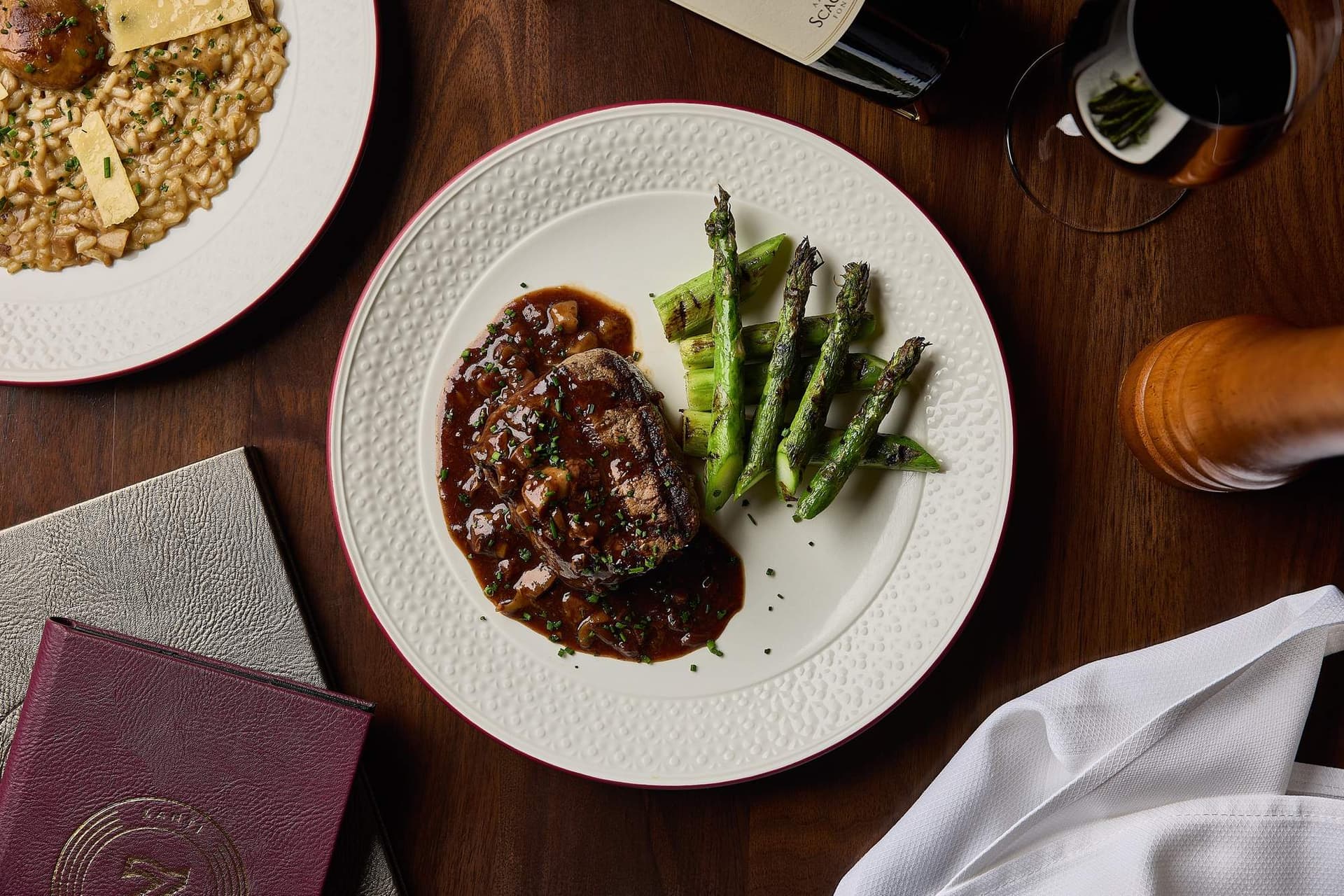
If you've never managed a food or beverage photo shoot, here's what makes it different from standard product photography.
Timing Is Everything
Food photography is a race against entropy. Once a dish is plated or a cocktail is poured, you have a narrow window to capture it at its best. Professional F&B photographers plan every shot before any food is prepared, using stand-ins and rough compositions to dial in lighting, angle, and framing before the real hero dish enters the scene.
This means pre-production is more critical in food photography than almost any other genre. Every minute of shooting time is precious because the subject is literally deteriorating in front of the camera.
The Role of the Food Stylist
A food stylist is not a chef. This is a common misconception that leads to disappointing results.
Chefs make food that tastes great. Food stylists make food that looks great on camera. Sometimes those overlap, but often they require different techniques entirely. A food stylist might use tweezers to place every sesame seed, mist water on vegetables to create a dewy freshness look, or use glycerin instead of water because it beads better on camera.
For any serious F&B shoot, a dedicated food stylist is not optional. It's the difference between food that looks like a restaurant menu and food that looks like an Instagram ad that stops the scroll.
Food stylist rates in Austin: $800-$2,000 per day, depending on experience and the complexity of the menu.
Prop Styling and Surface Selection
The surface under your food product matters as much as the food itself. A rustic cutting board communicates artisanal and handmade. A clean marble slab says premium and modern. A weathered wooden table feels authentic and homey.
Prop stylists in Austin maintain extensive collections of surfaces, plates, utensils, linens, and decorative elements specifically for F&B shoots. They'll source or create the perfect setting for your brand's personality.
Prop stylist rates in Austin: $500-$1,500 per day, plus prop rental fees ($200-$600).
Lighting for Food
Food lighting has evolved dramatically in the last decade. The trend has moved from the heavily diffused, almost shadowless look of early food blogs toward more dramatic, directional lighting that creates depth and texture.
Key lighting approaches for F&B:
Side lighting creates strong shadows and highlights texture. Ideal for rustic bread, textured grains, and anything where surface detail matters. This is the most popular approach in 2026 editorial food photography.
Backlight creates glow and translucency. Perfect for beverages, soups, honey, and anything you want to look luminous. Backlighting a craft beer makes the amber color glow. Backlighting a smoothie bowl emphasizes the freshness of the ingredients.
Overhead (flat lay) works for composed arrangements. Think ingredient layouts, recipe components, or multi-dish presentations. This angle pairs well with softer, more diffused lighting.
Natural light (or simulated natural light) remains king for many F&B brands. Austin's abundant sunshine is an asset, but relying on natural light means working within specific windows and weather conditions. Most professional F&B photographers use studio lighting that mimics natural light for consistency and control.
Types of F&B Photography Your Brand Needs
Not all food photography serves the same purpose. Here are the main categories and when you need each.
Hero Product Shots
These are the primary images that represent your product. Think Amazon main image, website homepage, packaging reference. Hero shots need to be technically perfect: accurate colors, clean backgrounds, and professional styling.
Use for: E-commerce listings, website product pages, packaging, retail partner submissions. Typical count: 3-5 hero angles per product. Austin cost range: $150-$400 per final image.
Lifestyle and Context Shots
These show your product in use or in context. A hot sauce next to grilled tacos. A cold brew coffee on a sunlit patio table. A craft beer at an outdoor gathering.
Lifestyle shots sell the experience, not just the product. They answer the question: "What does my life look like with this product in it?"
Use for: Social media, advertising, website lifestyle sections, brand campaigns. Typical count: 10-20 per product line. Austin cost range: $300-$800 per final image.
Recipe and Application Photography
For food ingredients, sauces, spices, and beverages that are used as components, recipe photography shows your product in action. This is especially valuable for social media content, where recipe posts consistently outperform other food content types.
Use for: Social media (especially Pinterest and Instagram), website recipe sections, email marketing. Typical count: 5-10 per recipe. Austin cost range: $500-$1,200 per recipe set (including food preparation and styling).
Packaging and Label Photography
If your product's packaging is a selling point (and in the Austin market, it usually is), dedicated packaging shots show off design details, label art, and physical product quality.
Use for: E-commerce, retail presentations, PR materials, investor decks. Typical count: 3-5 per SKU. Austin cost range: $100-$300 per final image.
Menu and Catalog Photography
For restaurants, catering companies, and food service brands, comprehensive menu photography documents every dish or product in a consistent style.
Use for: Online ordering platforms, printed menus, delivery app listings, catering catalogs. Typical count: 20-100+ items. Austin cost range: $50-$150 per item (high-volume pricing).
How AI is Changing F&B Photography
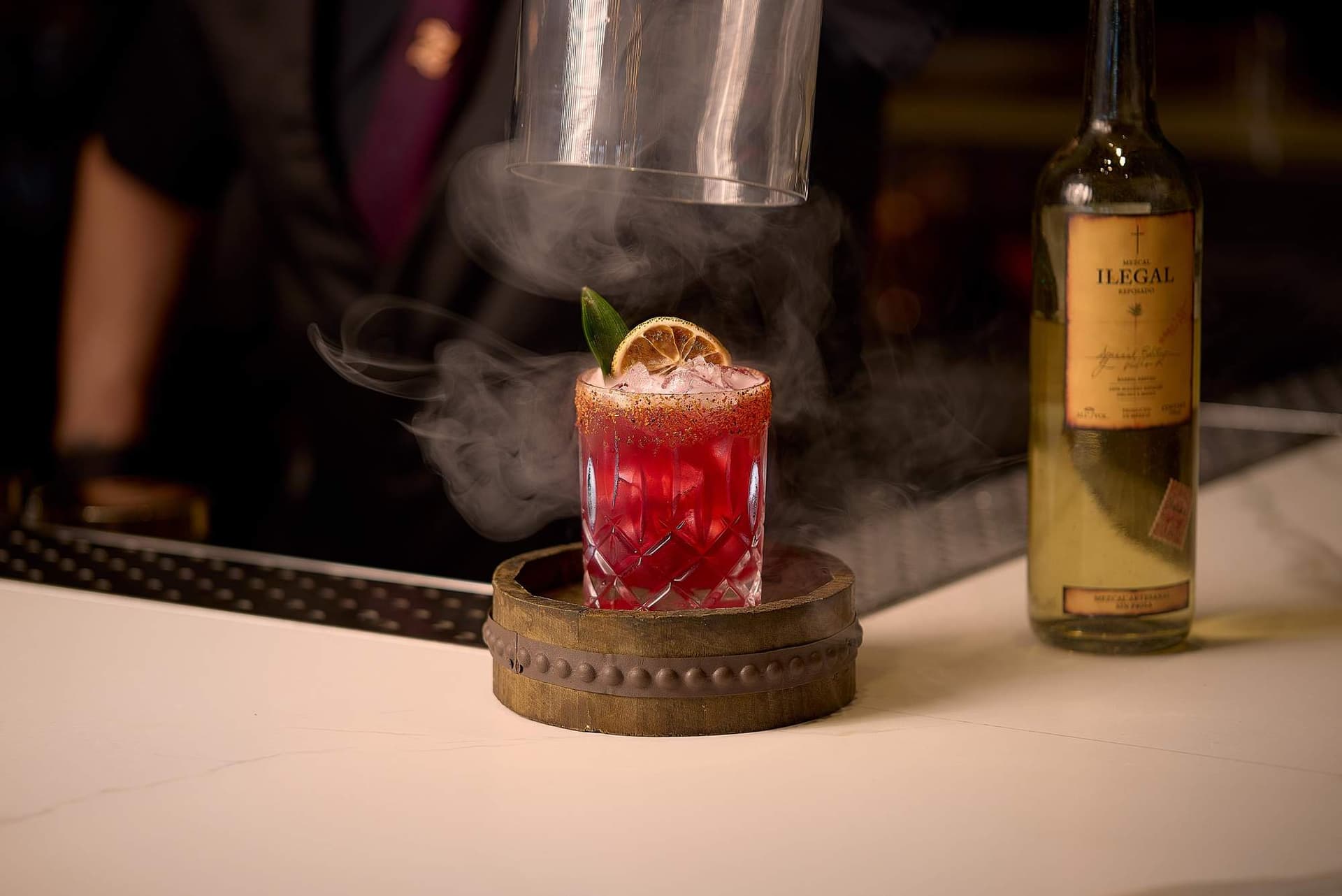
AI is making significant inroads in food and beverage photography, but the applications are different from other product categories. Here's an honest assessment of where AI works and where it falls short in F&B.
Where AI Works in F&B Photography
Background and environment swaps. You shot your craft beer bottles in the studio but need them to look like they're on a bar top, at a picnic, and on a kitchen counter. AI can generate these environments convincingly, compositing your real product photos into generated scenes.
This is the highest-value AI application in F&B photography. A single studio session can produce product images in 10-15 different environments without ever leaving the studio.
Seasonal and thematic variations. Your hot sauce brand needs summer BBQ imagery in June and cozy holiday cooking scenes in November. Instead of reshooting every season, AI generates contextual backgrounds that match seasonal themes while keeping your real product front and center.
Color and mood adjustments. Shift the entire mood of a shoot from warm and rustic to cool and modern without reshooting. AI can adjust environmental color palettes, lighting temperature, and atmospheric elements while keeping the product itself untouched.
Social media format variations. Take a hero product shot and generate dozens of platform-specific versions with different crops, backgrounds, and compositions. This is where the content multiplication effect of AI really shines for F&B brands.
E-commerce consistency. For brands with large SKU counts, AI helps maintain consistent backgrounds, lighting, and styling across hundreds of product images. This is especially valuable for Amazon and DTC listings where visual consistency affects perceived brand quality.
Where AI Falls Short in F&B
Generating food from scratch. AI-generated food images still have a distinctive "AI look," especially with close-up, detailed shots. Generated textures for bread crust, cheese melts, or liquid pours don't hold up under scrutiny. The uncanny valley is real for food.
Recipe and preparation shots. Anything showing food being prepared, poured, mixed, or served still needs real photography. The physics of food, how liquids splash, how dough stretches, how steam rises, are too complex for current AI models to nail consistently.
Ingredient accuracy. If your label says "made with real blueberries and oats," your photography needs to show actual blueberries and oats. AI-generated ingredients risk inaccuracy, and for food brands, visual accuracy is often a regulatory requirement.
Human interaction with food. Hands holding a drink, someone biting into a burger, friends toasting at a dinner table. These scenarios need real people and real food. AI-generated hands remain a notorious weak point.
The Hybrid Approach for F&B Brands
The smart play for food and beverage brands in 2026 is a hybrid approach:
1. Shoot real food with professional styling for hero images and anything close-up or editorial. 2. Use AI for product-in-environment compositing when you need scale, seasonal variations, or platform-specific content. 3. Reserve AI for product packaging and bottle shots where accuracy is easier to maintain. 4. Always use real photography for recipe content and anything showing food preparation.
This approach typically reduces total content production costs by 40-50% while maintaining the quality standards that food and beverage brands require.
Planning Your F&B Photo Shoot in Austin
Pre-Production Checklist
4-6 weeks before the shoot: - Define shot list and creative direction - Book photographer, food stylist, and prop stylist - Source surfaces, props, and backgrounds - Plan menu (what's being photographed and in what order) - Confirm brand guidelines (colors, fonts, overall mood)
2 weeks before: - Test recipes and styling approaches - Finalize shot list with photographer - Confirm all props and surfaces are available - Plan food prep timeline (what needs to be made fresh day-of) - Arrange product delivery if shipping samples
Day before: - Prep any ingredients that can be prepared ahead - Confirm studio setup and lighting tests - Review shot list one final time - Pack backup products and ingredients
Day of: - Arrive early for setup (lighting, surfaces, camera positions) - Shoot stand-ins first to refine composition - Photograph hero items when they're at peak freshness - Review images in real-time on a calibrated monitor - Capture variety (angles, compositions, environments) while setup is fresh
Choosing the Right Photographer
Not every product photographer can shoot food well. Look for:
F&B-specific portfolio. Ask to see food and beverage work specifically. A great fashion photographer might be terrible at making a cocktail look inviting.
Food stylist relationships. Experienced F&B photographers work with regular stylists. If they can recommend a stylist they've worked with multiple times, that's a good sign.
Understanding of composition for multiple formats. Your images will end up on Instagram, Amazon, your website, and maybe print. A good F&B photographer shoots with multiple crop ratios in mind.
Post-production capabilities. Food images almost always need retouching. Color accuracy, removing imperfections, and enhancing texture are standard. Some photographers handle this in-house; others outsource. Know which you're getting.
AI workflow integration. In 2026, the best F&B photographers understand how to shoot source material that AI can work with effectively. This means clean product isolation, consistent lighting, and shooting at resolutions that support compositing workflows.
Common F&B Photography Mistakes
Mistake 1: Skipping the Food Stylist
"Our chef can plate the food for the photo." We hear this regularly, and it almost always leads to disappointing results. Chefs plate for eating. Stylists plate for photographing. The techniques are fundamentally different.
Mistake 2: Shooting Everything in One Day
Food photography is physically demanding and time-sensitive. Trying to shoot 50 menu items in one day means the quality drops dramatically after item 30. Budget for realistic daily capacities: - Hero product shots: 8-12 per day - Lifestyle/context shots: 6-10 per day - Full recipe sets: 3-5 per day - Simple packaging shots: 15-25 per day
Mistake 3: Ignoring the Season
Austin's food photography scene benefits from year-round shooting weather, but your content should still feel seasonally appropriate. Summer cocktail images posted in January feel tone-deaf. Plan your shoot calendar to align with your marketing calendar.
Mistake 4: Forgetting About Video
In 2026, static food imagery isn't enough. Brands need video content for Reels, TikTok, and Stories. If you're booking a food shoot, add video to the production day: pour shots, sizzle reels, recipe walkthroughs, and product reveals. The marginal cost is much lower than booking a separate video session.
Mistake 5: Not Planning for E-Commerce Requirements
Amazon, Shopify, and retail partners all have specific image requirements. Amazon requires a pure white background for main product images. Many retailers need specific aspect ratios and minimum resolutions. Know your platform requirements before the shoot so you capture everything you need.
The Austin F&B Photography Ecosystem
Austin's food photography community is tightly connected. Here's how the ecosystem works:
Photographers handle camera work, lighting, and overall creative direction. Many have their own studios; others work in rented spaces or on location.
Food stylists handle food preparation and plating for camera. They're the most in-demand professionals in Austin's F&B photography scene, so book early.
Prop stylists source and arrange surfaces, tableware, linens, and decorative elements. Some photographers handle prop styling themselves; dedicated stylists bring more variety and expertise.
Studios provide controlled environments with professional lighting. Austin has several studios that cater specifically to food photography, with full kitchens, multiple shooting bays, and extensive surface libraries.
Post-production handles retouching, color grading, compositing, and format preparation. This is where AI-enhanced workflows enter the picture, multiplying output from every shoot session.
At 51st & Eighth, we bring all of these elements together under one roof. Our Austin studio handles everything from concept development through shooting, AI-enhanced production, and final delivery. For food and beverage brands, this integrated approach eliminates the coordination overhead of managing separate vendors.
Getting Started with F&B Photography
If you're an Austin food or beverage brand ready to upgrade your visual content, here's how to start:
For new brands (0-10 SKUs): Start with a full-day studio session focused on hero product shots. Get clean, accurate images of every product. These become your foundation, both for immediate use and for future AI-enhanced content generation.
For growing brands (10-50 SKUs): Book a full-day session combining hero shots, lifestyle imagery, and video clips. Plan for seasonal refreshes twice a year. Consider adding AI-enhanced content production for social media volume.
For established brands (50+ SKUs): Implement a quarterly production cycle with a mix of traditional photography for hero content and AI-enhanced production for high-volume social and e-commerce needs.
Whatever your stage, the key is starting with quality source material. Everything else, AI variations, platform formatting, seasonal updates, builds from that foundation.
Ready to shoot? Contact us to discuss your F&B photography needs. We'll walk you through our process, share relevant work samples, and put together a production plan that fits your brand and budget.
Frequently Asked Questions
Q: How much does food photography cost in Austin? A: A professional food and beverage shoot in Austin typically runs $3,500-$12,000 for a full day, including photographer, food stylist, and prop stylist. This is 30-50% less than equivalent production in New York or LA, making Austin an attractive market for regional and national F&B brands.
Q: Do I need a food stylist for my product shoot? A: Yes, for virtually every professional F&B shoot. Food stylists aren't chefs : they're specialists in making food look its best under studio lights. They use techniques (strategic plating, glycerin for condensation effects, controlled garnish placement) that are completely different from cooking for taste. Skipping the stylist is the single most common mistake that leads to disappointing F&B photography.
Q: How do I prepare my products for a food and beverage shoot? A: Bring multiple units of each product (at least 3–5 for hero items), ensure all labels are clean and undamaged, verify packaging matches your current production version, and provide any brand guidelines that specify colors, approved surfaces, or forbidden visual elements. For fresh food products, coordinate prep timing with your photographer so hero items arrive at peak freshness.
Q: Can AI replace traditional food photography? A: Not for close-up or hero food shots : AI-generated food still has a recognizable "uncanny valley" quality at close range. Where AI adds real value is in compositing real product photos into lifestyle environments (putting your bottled sauce into different kitchen settings, generating seasonal backgrounds), multiplying content volume without reshooting. The best F&B brands use AI to extend traditional photography, not replace it.
Ready to elevate your food and beverage photography?
Get a free quote from Austin's leading food and beverage photography studio.
Get a Free Quote →