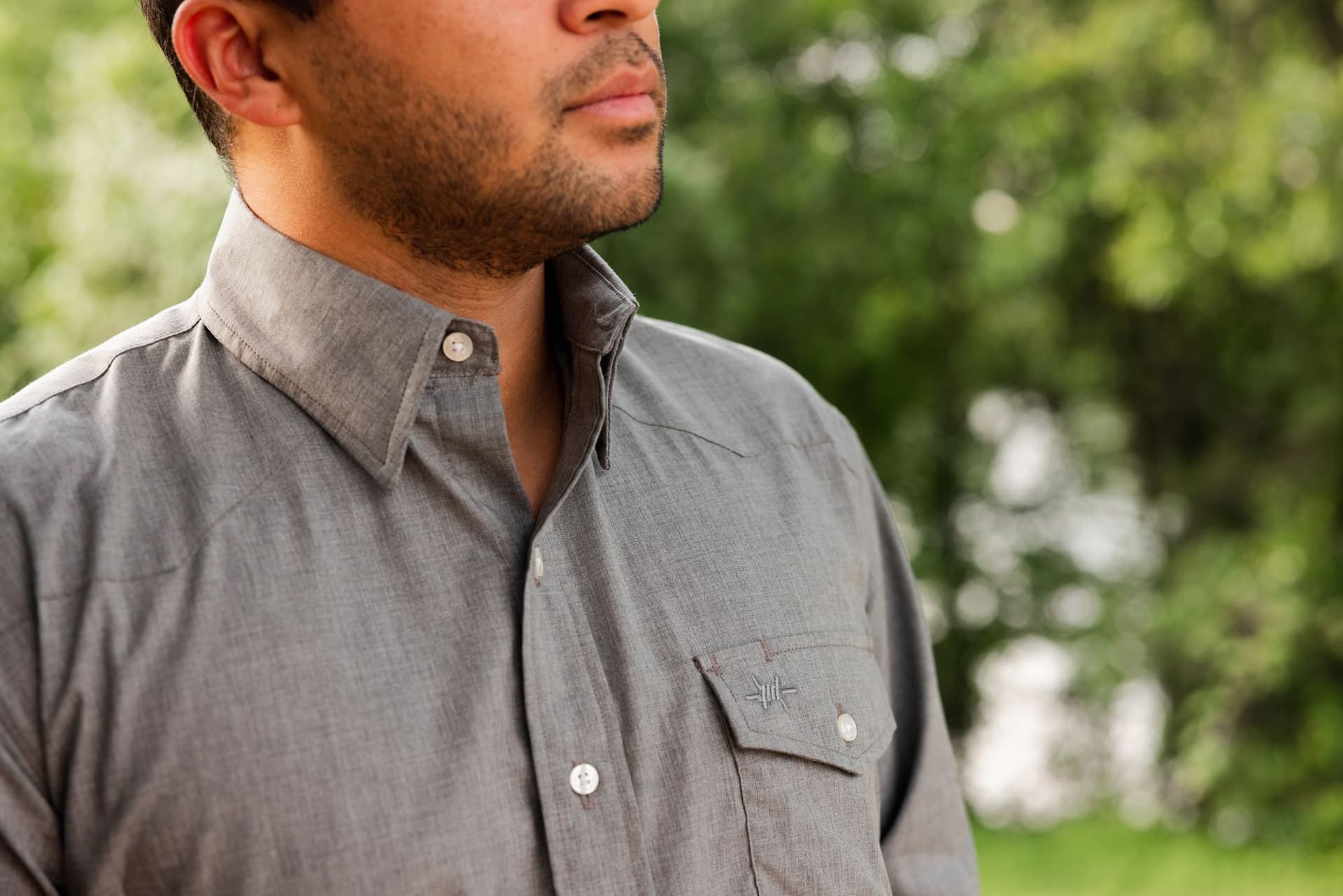
Quick Answer: Fashion brand photography in Austin typically costs $3,500: $8,000 per day for lookbook and campaign work, with e-commerce flats running $50: $150 per image. The best results come from photographers who understand both editorial storytelling and commercial selling: not generalists who shoot everything from weddings to real estate. Budget 4: 6 weeks of lead time for a full campaign shoot.
Austin's fashion industry has grown quietly but steadily over the past decade. The city is home to heritage menswear brands like Texas Standard, luxury labels like Moutoniere, sharp suiting companies like League of Rebels, and a growing wave of DTC apparel startups building their brands from scratch. What do the ones breaking through have in common? Photography that communicates who they are before a customer reads a single word.
Fashion brand photography is not product photography with better lighting. It is the visual foundation of brand identity: the thing that tells a potential customer whether your brand is for them within two seconds of landing on your site or scrolling past your ad. Get it right, and everything else in your marketing gets easier. Get it wrong, and no amount of ad spend will fix the disconnect between how your brand looks and how it should feel.
This guide covers everything Austin fashion brands need to know about building a visual identity through photography: the different types of fashion shoots, how to prepare, what to budget, and how to brief a photographer so you actually get images that sell.
Types of Fashion Brand Photography
Not all fashion photography serves the same purpose. Understanding the distinctions helps you plan shoots that deliver the right assets for the right channels.
Lookbook Photography
Lookbook photography is the backbone of most fashion brands' visual libraries. These are the clean, styled images that showcase each piece in your collection: typically on a model, in a controlled environment, with consistent lighting and composition across the full set.
Lookbooks serve your wholesale buyers, your website's product pages, and your seasonal marketing. They need to be beautiful enough to build desire but systematic enough to cover your entire line without blowing your budget.
A strong lookbook shoot for a 30-piece collection typically requires one full day of shooting, 2: 3 models, and a stylist. In Austin, expect to invest $4,000: $7,000 for the full production including retouching and delivery of final selects.
Campaign Photography
Campaign photography is where brand identity lives. These are the hero images: the ones that go on your homepage, your billboards, your social ads, your press features. Campaign shots tell a story. They communicate mood, aspiration, and lifestyle in a way that lookbook images can't.
Campaign shoots are more involved. They require creative direction, location scouting (or studio set design), hair and makeup, and often multiple lighting setups. A single campaign image might take 2: 3 hours to produce, compared to 10: 15 minutes per look in a lookbook.
For Austin fashion brands, campaign photography is where local identity becomes an asset. Shooting against the limestone architecture of downtown, the open landscapes of Hill Country, or the industrial textures of East Austin warehouses gives your brand a sense of place that resonates with both local customers and national audiences who associate Austin with creativity and authenticity.
E-Commerce Photography vs. Editorial Photography
These two categories serve fundamentally different purposes, and confusing them is one of the most common mistakes fashion brands make.
E-commerce photography is functional. Its job is to show the product clearly, accurately, and consistently. White background flats, ghost mannequin shots, and clean on-model images with minimal styling. E-commerce photography needs to load fast, display well on mobile, and give customers enough visual information to buy with confidence. Conversion rate is the metric that matters.
Editorial photography is emotional. Its job is to build brand perception and create desire. Dramatic lighting, unusual angles, environmental storytelling, and creative styling. Editorial images are for your homepage hero, your Instagram feed, your lookbook covers, and your press outreach. Brand affinity is the metric that matters.
Most fashion brands need both. The mistake is trying to get both from a single shoot approach. A photographer optimizing for clean e-commerce consistency will produce flat, uninspiring editorial images. A photographer optimizing for creative editorial impact will deliver e-commerce shots that are too stylized to convert.
The solution: plan them as separate shooting blocks within the same production day, or as entirely separate shoots if your budget allows. At minimum, brief your photographer on which images serve which purpose so they can adjust lighting, styling, and composition accordingly.
How to Prepare for a Fashion Brand Photo Shoot
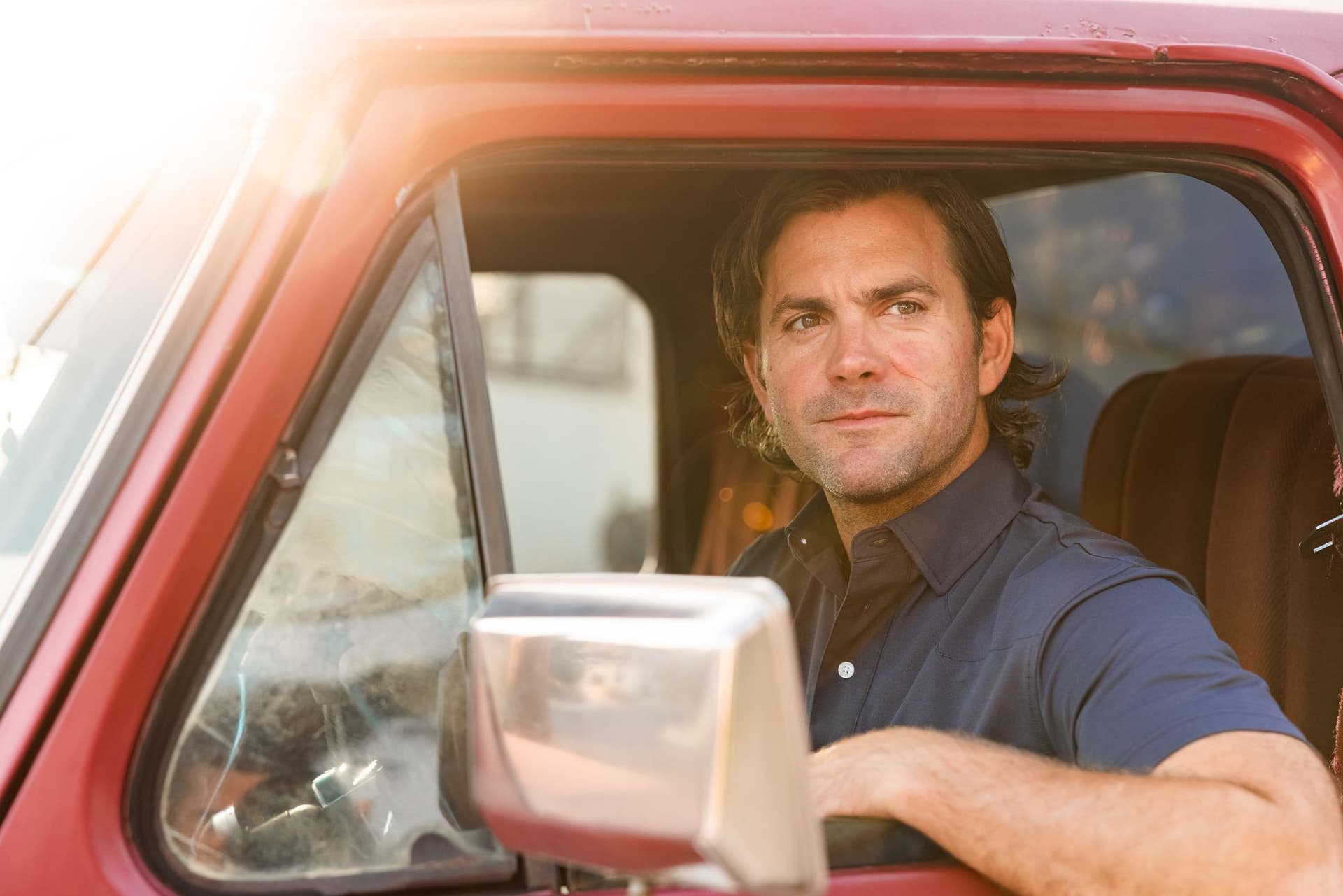
Preparation is where most of the value in fashion photography is created or destroyed. A well-prepared shoot runs efficiently and delivers images that match your vision. A poorly prepared shoot burns time, wastes money, and produces images that require extensive reshooting or never get used.
Build a Shot List and Mood Board
Before you contact a photographer, create two documents:
A shot list that specifies exactly what you need. How many looks? On-model or flat lay? Full body, three-quarter, or detail shots? Which pieces are hero items that need extra attention? Which are supporting items that just need clean documentation? A detailed shot list lets your photographer plan the day efficiently and ensures nothing gets missed.
A mood board that communicates the feeling you want. Pull references from brands you admire, campaigns that resonate with your target customer, and color palettes that align with your collection. A mood board is not a list of shots to copy: it is a visual vocabulary that helps your photographer and stylist understand the world your brand lives in.
Prepare Your Garments
This sounds obvious, but it trips up brands constantly:
- Steam everything. Every single piece. The day before the shoot, not the morning of. Wrinkles in photography are permanent.
- Check for damage. Loose threads, missing buttons, stains, pilling. The camera catches everything.
- Organize by look. Group garments with their intended accessories and have them labeled or racked in shooting order.
- Bring extras. Backup sizes for models, extra accessories, alternate pieces in case something doesn't work on camera.
Casting and Styling
Your model selection communicates as much about your brand as the clothes themselves. Think about your target customer and cast models who represent the aspiration your brand is selling.
For Austin-based shoots, local talent agencies like Neal Hamil Agency (which has an Austin division) and Platform Model Management provide professional fashion models. For DTC brands with smaller budgets, micro-influencers and real customers can work well for authentic, lifestyle-oriented shoots: just budget extra time for direction since non-professional models need more coaching.
Styling is not optional for fashion photography. Even if you are photographing your own garments, a professional stylist ensures that each piece is pinned, tucked, and adjusted to look its best on camera. They handle the details you won't notice on set but will definitely notice in the final images: a collar that doesn't sit right, a hem that breaks at the wrong point, an accessory that distracts from the hero piece.
How to Brief a Fashion Photographer
The quality of your brief directly determines the quality of your images. A vague brief ("we want something cool and elevated") produces vague results. A specific brief produces work that aligns with your brand and your business goals.
What Your Brief Should Include
Brand overview. Who are you, who is your customer, and what makes your brand different? A photographer who understands your positioning will make better creative decisions on set.
Campaign objectives. Are these images for a seasonal launch? A new product category? A rebrand? An investor pitch? The purpose shapes the approach.
Deliverables. Exactly what you need: number of final images, aspect ratios (square for Instagram, 16:9 for web heroes, vertical for stories), file formats, and resolution requirements.
Usage. Where will these images live? Website, social media, print advertising, wholesale line sheets, PR? Usage affects both creative approach and licensing terms.
References and anti-references. Show what you want AND what you don't want. "Here are five images that feel right for our brand" is useful. "Here are three things we definitely don't want" is equally useful.
Budget and timeline. Be upfront about both. A good photographer will design a production plan that maximizes value within your constraints rather than overshooting and under-delivering.
Questions to Ask Your Photographer
Before booking, ask:
- Can you show me a complete fashion project, not just your best three images?
- How do you handle creative direction on set: do you lead or do you prefer a creative director?
- What does your team look like? Do you bring assistants, or do I need to provide production support?
- How do you approach retouching for fashion? (Over-retouching is a real risk: you want clothes that look real, not rendered.)
- What is your turnaround time from shoot to final delivery?
- Do you provide raw files, or only retouched selects?
Budget Ranges for Fashion Photography in Austin
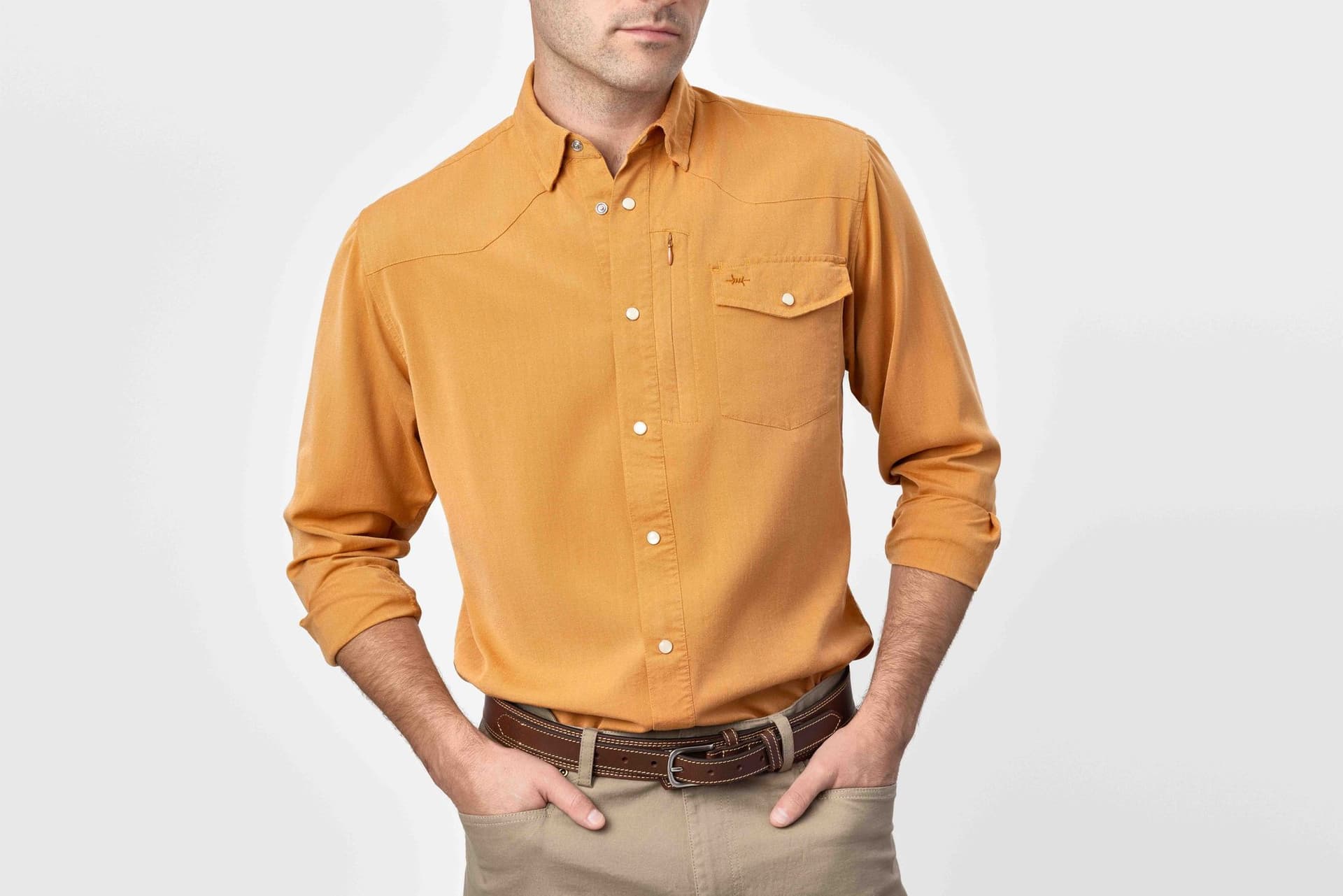
Austin offers a significant cost advantage over LA, NYC, and Miami for fashion photography: typically 25: 40% lower for comparable quality. Here is what to expect in 2026:
E-Commerce / Product Flats
- White background flats (ghost mannequin or flat lay): $50: $100 per image
- On-model e-commerce (clean background): $75: $150 per image
- Typical minimum: $1,500: $2,500 for a set of 20: 30 images
Lookbook Photography
- Half-day shoot (15: 20 looks): $2,500: $4,000
- Full-day shoot (25: 40 looks): $4,000: $7,000
- Includes: Photographer, basic lighting, retouching. Models, stylist, and hair/makeup are typically additional.
Campaign Photography
- Single-day campaign (5: 10 hero images): $5,000: $8,000
- Multi-day campaign with location work: $8,000: $15,000+
- Includes: Creative direction, photographer, lighting, basic production. Full crew (models, hair/makeup, stylist, production assistant, location fees) typically adds $2,000: $5,000 per day.
Full-Service Production
For brands that need everything: e-commerce, lookbook, and campaign: bundled into a single production:
- 2: 3 day comprehensive shoot: $10,000: $25,000
- Best for: Seasonal launches where you need 100+ images across all categories
- Value proposition: Bundling saves 15: 25% vs. booking separate shoots for each category
What Affects Pricing
Several factors push costs up or down:
- Number of looks: More outfits means more time
- Location vs. studio: Location shoots add scouting, permits, and travel time
- Model count: Each additional model adds $500: $2,000+ per day depending on experience
- Retouching complexity: Basic color correction vs. extensive skin and garment retouching
- Usage rights: Some photographers charge more for broad commercial usage vs. limited web-only usage
- Rush delivery: Standard turnaround is 2: 3 weeks; rush delivery (under 5 days) typically adds 25: 50%
Timeline Expectations
Fashion photography has seasons, and your production timeline needs to align with your go-to-market calendar.
Typical Project Timeline
- 6: 8 weeks before launch: Begin photographer search and creative briefing
- 4: 6 weeks before launch: Book photographer, finalize shot list, confirm models and styling
- 2: 3 weeks before launch: Pre-production meeting, garment prep, location scouting
- Shoot day(s): The actual production
- 1: 2 weeks after shoot: Receive initial selects for review
- 2: 3 weeks after shoot: Final retouched images delivered
Seasonal Planning
If you release collections seasonally:
- Spring/Summer collections: Shoot in January: February for March: April launches
- Fall/Winter collections: Shoot in July: August for September: October launches
- Holiday campaigns: Shoot in September: October for November launches
Planning ahead matters in Austin specifically because the city's photography community, while talented, is smaller than LA or NYC. The best fashion photographers book out 4: 6 weeks in advance during peak seasons. Last-minute bookings are possible but limit your options.
What Makes Fashion Photography Work in Austin
Austin brings specific advantages to fashion brand photography that are worth understanding and leveraging.
Light and Location
Austin's natural light is exceptional for fashion work. The warm, golden-hour light that the city is known for extends across nearly an hour of usable shooting time: longer than most cities. Hill Country landscapes provide dramatic backdrops for outdoor campaign work. The mix of modern architecture downtown, industrial spaces in East Austin, and natural settings along the greenbelt gives fashion brands a range of visual environments within a 20-minute drive.
The Austin Aesthetic
Austin's creative culture aligns naturally with fashion brands that value authenticity, craftsmanship, and understated confidence. Brands like Texas Standard have built their entire visual identity around this sensibility: heritage quality communicated through warm, natural photography that feels genuine rather than manufactured. League of Rebels takes a sharper, more editorial approach that still carries Austin's creative energy. Moutoniere brings French luxury into a Texas context with refined, detail-oriented imagery.
The common thread: Austin fashion photography tends to feel real. Less overly produced than LA, less austere than NYC. For brands targeting the modern, design-conscious consumer, that authenticity is a competitive advantage.
A Growing Talent Pool
Austin's film and photography community has expanded significantly as the city has grown. Commercial photographers, stylists, hair and makeup artists, and production crews that five years ago you could only find in major markets are now based here full-time. This means lower travel costs, easier logistics, and creative partners who understand the local landscape and light.
Common Mistakes Fashion Brands Make with Photography
After working with fashion and apparel brands across Austin: from luxury labels to first-time DTC launches: patterns emerge in what goes wrong.
Treating All Photography the Same
Using campaign images for e-commerce or e-commerce shots for marketing is a consistent failure point. Each type of photography has a specific job. Mixing them up means neither performs well.
Underinvesting in Pre-Production
Brands that spend 90% of their budget on the shoot day and 10% on preparation consistently get worse results than brands that invest 30% in pre-production and 70% in execution. The shot list, the mood board, the garment prep, the model casting: these decisions determine 80% of the outcome before the camera fires.
Chasing Trends Instead of Building Identity
Copying whatever aesthetic is trending on Instagram this quarter produces images that look dated in six months. The strongest fashion brands invest in a visual identity that is distinctly theirs: a consistent approach to lighting, color, composition, and mood that customers recognize across every touchpoint.
Skipping the Stylist
"We design the clothes, so we know how to style them" is a common and costly assumption. Designers see their garments as individual pieces. Stylists see them as elements in a visual story. The difference shows up in every image.
Not Planning for Content Needs
A fashion shoot that only produces hero images leaves you scrambling for social media content, email assets, and web banners. Brief your photographer on all the content you need: including behind-the-scenes footage, detail shots, and vertical video clips: so you capture everything in one production.
Building a Long-Term Visual Strategy
The most effective approach to fashion brand photography is not a series of one-off shoots. It is a long-term visual strategy that builds brand recognition over time.
Establish Your Visual Language
Work with your photographer to define the consistent elements that will carry across every shoot:
- Color palette: What tones define your brand? Warm and earthy? Cool and minimal? High contrast or soft and muted?
- Lighting style: Hard and directional for drama? Soft and even for approachability? Natural light for authenticity?
- Composition approach: Tight crops for intimacy? Wide shots for lifestyle context? Centered and symmetrical or dynamic and off-balance?
- Model direction: How do your models carry themselves? Relaxed and natural? Sharp and editorial? Active and in-motion?
These decisions, made once and applied consistently, create the visual signature that customers associate with your brand.
Plan Quarterly Content Shoots
Rather than one massive annual production, consider quarterly shoots that align with your content calendar:
- Q1: Spring/Summer campaign and lookbook
- Q2: Lifestyle and social media content refresh
- Q3: Fall/Winter campaign and lookbook
- Q4: Holiday campaign and year-end brand content
Quarterly shooting keeps your visual content fresh, reduces the pressure on any single shoot day, and allows you to evolve your visual identity gradually rather than in jarring annual overhauls.
Measure What Works
Fashion photography is a business investment, not an art project. Track the performance of your images:
- Which hero images drive the highest click-through rates on ads?
- Which product photography style (lifestyle vs. white background) converts better for your specific customer?
- Which campaign images generate the most engagement on social media?
- Which visual approach produces the strongest wholesale response?
Use this data to refine your visual strategy over time. The brands that treat photography as a measurable marketing function: rather than a creative expense to minimize: consistently outperform those that don't.
Frequently Asked Questions
How many images should I expect from a full-day fashion shoot? A full-day shoot typically produces 30: 60 final retouched images, depending on the complexity of styling changes and whether you are shooting lookbook (higher volume) or campaign (lower volume, higher production value per image). Plan your shot list to be realistic about what can be achieved in 8: 10 hours of shooting.
What is the difference between a lookbook and a campaign shoot? A lookbook documents your collection systematically: every piece, consistent styling, clean presentation. A campaign tells your brand story through a smaller number of highly produced, emotionally resonant images. Most fashion brands need both, and they serve different marketing functions.
Should I hire a local Austin photographer or fly someone in? For most fashion brands, hiring locally is the better value. Austin has strong fashion photography talent, and local photographers know the light, the locations, and the logistics. Flying someone in adds $2,000: $5,000 in travel and accommodation costs and introduces logistical complexity. The exception: if you have an existing relationship with a photographer whose style is central to your brand identity.
How do I know if a photographer understands fashion? Look at their portfolio for complete fashion projects, not just individual images. Can you see consistent styling across a set? Do the garments look properly fitted and steamed? Is the lighting flattering both the model and the clothing? Ask about their experience with garment-specific challenges like fabric texture, color accuracy, and fit adjustment on set.
Can I use the same images for e-commerce and social media? You can, but you shouldn't rely on it. E-commerce images are optimized for clarity and conversion on product pages. Social media images need to stop the scroll and communicate brand personality. The best approach is to capture both types during your shoot: clean product shots and styled lifestyle images: so each channel gets content designed for its specific purpose.
What should I bring to a pre-production meeting with my photographer? Bring your mood board, shot list, sample garments (or tech packs), brand guidelines, examples of photography you admire, and a clear understanding of where the images will be used. The more context you provide upfront, the better your photographer can plan a shoot that delivers exactly what you need.
51st & Eighth is a commercial photography and video production studio in Austin, Texas. We work with fashion and apparel brands: from luxury labels to DTC startups: creating lookbooks, campaigns, and e-commerce imagery that builds brand identity and drives sales. [See our work](/work) or [get in touch](/contact) to plan your next shoot.
<div style="background:#0d1f0e;border:1px solid #2d4a2e;borderRadius:8px;padding:32px;margin:48px 0;textAlign:center"> <p style="color:#6b8f70;fontSize:12px;letterSpacing:2px;textTransform:uppercase;margin:0 0 8px">51st & Eighth</p> <h3 style="color:#f5f5f0;fontSize:24px;fontWeight:600;margin:0 0 12px">Ready to Build Your Fashion Brand's Visual Identity?</h3> <p style="color:#a0a09a;fontSize:16px;margin:0 0 24px">From lookbooks to campaign shoots, we create imagery that sells. Austin-based, delivering nationally.</p> <a href="/contact" style="display:inline-block;background:#6b8f70;color:#fff;padding:12px 28px;borderRadius:6px;textDecoration:none;fontWeight:500;fontSize:15px">See Our Brand Photography Work</a> </div>
Ready to elevate your fashion brand photography?
Get a free quote from Austin's leading brand photography studio.
Get a Free Quote →