Quick Answer: Professional candle and home fragrance photography costs $600-$2,500 for a DTC brand shoot depending on product count, styling complexity, and whether flame shots are included. The US home fragrance market reached $12.1 billion in 2024 (Grand View Research, 2024), with the candle segment alone accounting for $3.3 billion. The category is simultaneously one of the most saturated in DTC e-commerce and one of the most dependent on visual differentiation: because you can't smell the product through a screen.
The brief said "warm, cozy, intentional." The client made hand-poured soy candles in minimal vessels: clean glass, kraft paper labels, a subdued palette. Beautiful products, completely lost in their current imagery: overhead shots on a white table, harsh ring-light visible in every reflection.
The problem wasn't the products. It was the lighting philosophy. You can't shoot a candle like you shoot a supplement bottle. A candle's entire brand proposition is warmth, ambiance, and sensory presence. A cold, clinical lighting setup doesn't just fail to communicate that: it actively contradicts it.
We re-shot everything. Warm, low-ratio lighting with controlled shadows. The flame as a secondary light source in select shots. Surfaces that communicated texture and domesticity rather than sterility. Same products, completely different brand feeling.
That's candle photography. The technical demands are specific, the styling decisions matter enormously, and getting the lighting philosophy wrong is more damaging in this category than almost any other.
Why Candle Photography Is Its Own Discipline
Candles present a unique combination of challenges:
Transparent and reflective containers. Most candles come in glass vessels or ceramic containers with glossy glazes. Both materials reflect light sources back at the camera. Getting clean imagery means managing reflections without eliminating the life that a gentle reflection gives to glass.
Matte wax surface. The wax itself is a matte, often textured surface: frosted, pooled, or with visible fragrance throw lines. It needs to be lit to show texture without looking dirty or damaged.
The flame. A lit candle introduces a light source inside the frame that the photographer doesn't fully control. Shooting flame requires either fast shutter speed to freeze the flame or accepting some natural movement. The flame also casts warm light on the surrounding wax and vessel that has to be factored into the overall lighting setup.
Fragrance as invisible selling point. The product's primary value proposition: how it smells: is invisible in photography. The entire visual brief is to communicate a scent experience through imagery. That's an unusual creative challenge that requires thinking in metaphors and sensory associations rather than product features.
The Essential Shot List for Candle and Home Fragrance Brands
Unlit Product Shots
Your e-commerce main image is almost always an unlit candle. Clean background, controlled lighting, label perfectly readable, vessel clearly identifiable. This shot communicates the product as an object: the container, the label, the wax surface, the overall quality.
Unlit product shots are technically similar to any glass product photography: you're managing reflections and communicating material quality through controlled light. The main challenge is keeping the wax surface looking pristine and the container reading clearly across multiple label designs and vessel types.
Flame Shots
A lit candle changes the photography entirely. The flame introduces movement, organic light, and the primary visual cue that communicates what the product actually does.
Flame shots require: - A shutter speed fast enough to freeze or partially freeze the flame (typically 1/200-1/500 depending on desired movement) - Ambient light low enough that the flame reads as a light source without disappearing against a bright background - A secondary lighting setup that illuminates the vessel and surrounding area without washing out the flame - Props and surfaces that are safe near an open flame
Many candle brands use flame shots as their primary lifestyle imagery because nothing else communicates warmth and ambiance as directly. A well-executed flame shot does more work for a home fragrance brand than any lifestyle set.
Lifestyle and Context Shots
The candle in its domestic habitat. On a bathroom shelf with eucalyptus branches. On a coffee table next to a book and a handmade ceramic mug. In a bedroom with soft window light catching the vessel.
These shots are where scent storytelling happens visually. A "forest after rain" scent should be shot with natural materials, muted greens, slate surfaces, moisture cues. A "tobacco and vanilla" fragrance calls for warm tones, aged leather, dim ambient light. The set design is doing olfactory translation work.
Detail Shots
The pour line on a hand-poured soy candle. The texture of a beeswax pillar. The botanical inclusions in a floral wax melt. The embossed label detail on a luxury vessel.
Detail shots communicate craft and quality in ways that full-product shots can't reach. For candle brands positioning at the premium end: $35-80+ per candle: these detail shots are the visual proof that justifies the price point.
Lighting Principles for Candle Photography
Match the Lighting to the Brand Temperature
This is the most important principle in candle photography and the one most often ignored.
A brand built around warmth, hygge, and domestic comfort should be lit warmly. Tungsten-balanced lighting, amber gels, practical props that carry warm color. The lighting should feel like what the candle is selling.
A minimal, modern candle brand with clean vessels and simple labels might lean cooler: more neutral lighting, cleaner shadows, less visual warmth. The product is minimal, so the photography is minimal.
Lighting temperature and brand positioning have to be aligned. Shooting a warm, artisanal candle brand with cold, clinical lighting is like writing romantic copy in a corporate tone.
Manage Glass Reflections with Flags and Diffusion
Glass candle vessels reflect everything. Your softbox. The camera. The room behind you. Managing these reflections requires black flags to kill unwanted hot spots, large diffusion panels to create soft, wrap-around light, and sometimes covering the floor and ceiling visible in the reflection with black material.
This is time-consuming but necessary. A distracting reflection in a candle vessel draws the eye away from the product itself and communicates a lack of professional attention that sophisticated buyers will register even if they can't articulate why.
The Two-Stop Rule for Flame Shots
When shooting lit candles, aim to have the ambient lighting on the product at roughly 2 stops less than the flame exposure. This ratio lets the flame read as a real light source: warm, glowing, alive: while the product itself remains properly exposed.
Getting this ratio right requires either a variable-intensity lighting setup or flagging the key light to reduce its output on the flame side of the product. The exact ratio varies by vessel size and flame intensity, which means shooting tethered with a histogram to dial it in precisely.
Platform-Specific Requirements
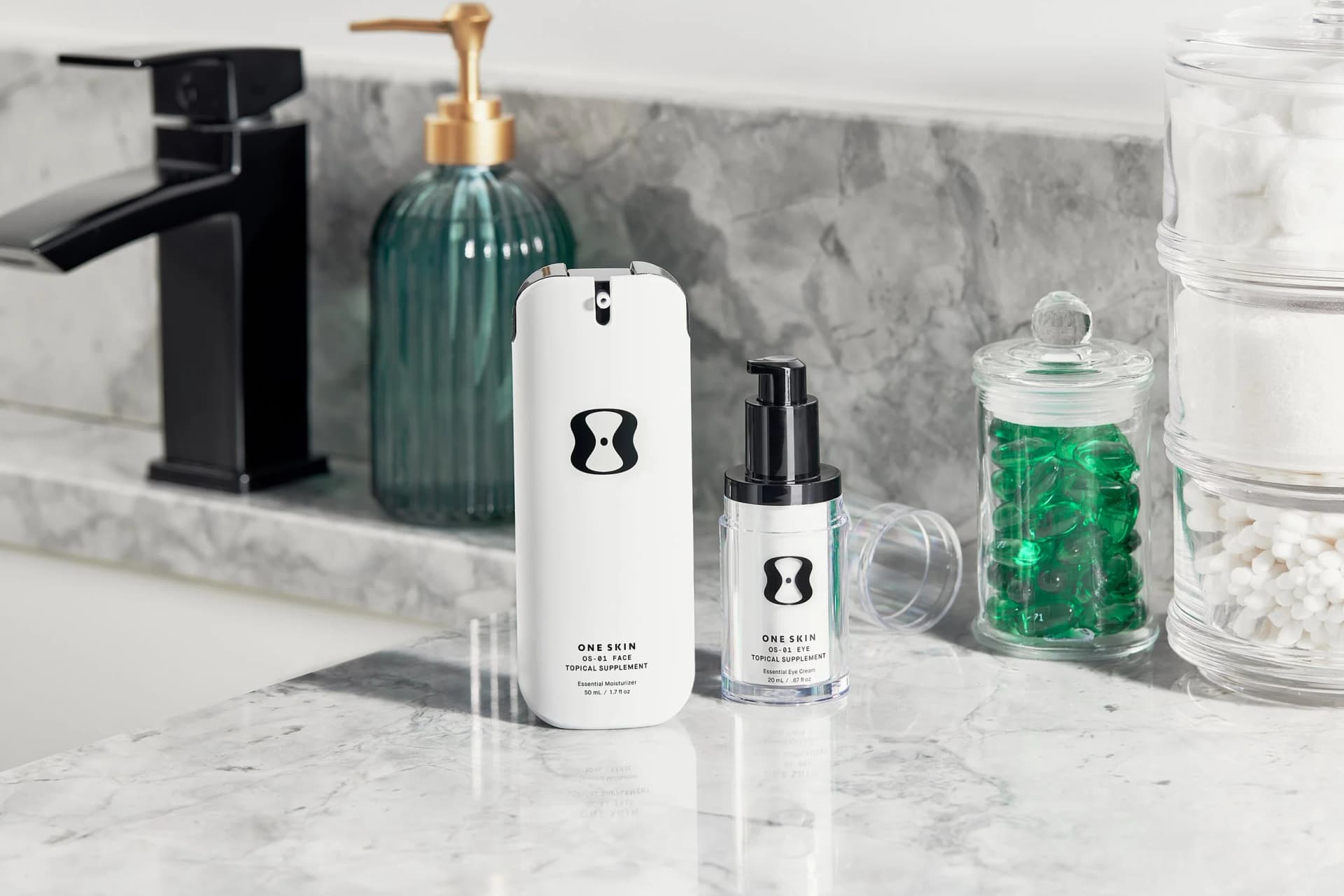
For Amazon and standard e-commerce platforms: white background, unlit, full product visible, no lifestyle props.
For DTC website and social: maximum creative latitude. Lifestyle shots, flame shots, textured surfaces, contextual props.
For paid advertising: multiple ratios, usually lifestyle with strong color story that stops the scroll. Candle ads that show the product in context dramatically outperform product-only ads in the category.
I shoot candle and home fragrance brands regularly: it's one of the categories where a thoughtful approach to lighting and set design produces results that are dramatically better than standard product photography. You can see examples in the portfolio. If you're a candle or home fragrance brand ready to upgrade your imagery, reach out here.
Ready to elevate your product photography?
Get a free quote from Austin's leading product photography studio.
Get a Free Quote →