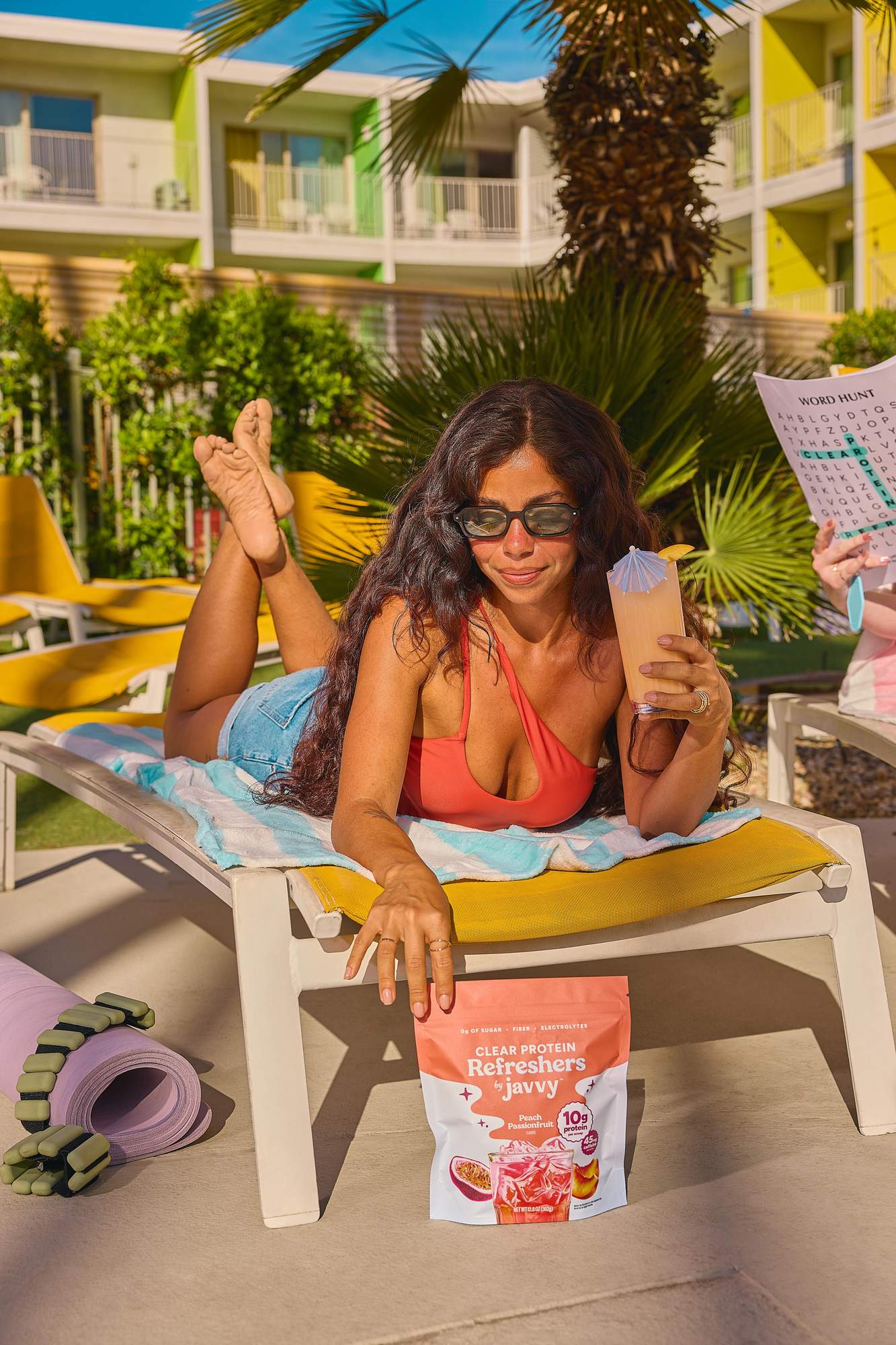
Quick Answer: A professional product shoot takes 3–4 weeks total: 1 week pre-production (brief, shot list, product shipping), 1–2 shoot days, and 1–2 weeks post-production with 1–2 revision rounds. Expect 10–25 final polished images from 100+ raw captures. The process starts weeks before anyone picks up a camera.
If you've never commissioned professional product photography, the process can feel like a black box. You send products to a studio, wait a few weeks, and receive finished images. But what actually happens between drop-off and delivery?
Understanding the product photography process helps you set realistic expectations, communicate effectively with your production team, and ultimately get better results. Whether you're a founder launching your first product or a marketing director planning a seasonal refresh, knowing what happens behind the scenes makes the entire experience smoother.
This guide walks through the complete product photography workflow: from the initial brief to final file delivery: based on how we run shoots at our Austin studio.
Research from Baymard Institute found that product pages with multiple high-quality images: showing different angles, details, and contexts: reduce return rates by up to 22%. Salsify's 2024 Product Content Benchmark report found that consumers engage with an average of 4.6 images before deciding to purchase a product online. These numbers underscore why the production process behind each image matters: every frame is a sales asset.
Before the Shoot: Pre-Production Planning
Great product photography doesn't start on shoot day. It starts weeks earlier with planning, communication, and preparation.
The Creative Brief and Kickoff Call
Every project begins with a conversation. We need to understand: - What are you selling? (Product details, SKUs, variations) - Who are you selling to? (Target audience, use case) - Where will these images be used? (Website, Amazon, social media, print ads) - What style and mood do you want? (Minimalist, lifestyle, editorial, technical) - What's your timeline and budget? (Deadlines, delivery requirements, constraints)
The best clients come prepared with examples of work they like (and don't like). Showing us reference images: even from competitors: gives us a visual shorthand for your expectations.
Developing the Shot List
Once we understand your goals, we create a detailed shot list. This is the roadmap for the entire shoot, outlining: - How many images you need (Hero shots, detail shots, lifestyle contexts, variations) - Angles and compositions (Front, 3/4, overhead, detail close-ups) - Backgrounds and environments (White seamless, textured surfaces, lifestyle scenes) - Props and styling elements (Complementary objects, color palettes, textures) - Lighting approaches (Bright and airy, moody and dramatic, natural light look)
A good shot list eliminates guesswork on shoot day. Everyone knows exactly what we're capturing, in what order, and why.
For example, if you're shooting a skincare line with 12 SKUs, the shot list might include: - Individual product shots on white background (Amazon/e-commerce) - Grouped product family shots - Lifestyle scenes (marble countertop, bathroom shelf, natural outdoor light) - Detail shots (texture, packaging callouts, ingredient highlights)
Logistics and Product Coordination
Before the shoot, we handle the practical details: - Product delivery: You ship products to our Austin studio, or we arrange pickup if you're local - Quantity needed: We request 2-3 samples per SKU (backups in case of damage, consistency checks) - Product condition: We inspect for damage, dust, or imperfections before shooting - Special requirements: Refrigeration for food/beverage, handling instructions for fragile items, assembly needs
If products arrive damaged or incomplete, we flag it immediately. Shooting a scratched product or missing component wastes everyone's time.
Mood Boards and Creative Direction
For more complex shoots: especially lifestyle or brand campaign work: we often create mood boards. These are visual collages that communicate: - Color palettes (warm vs. cool, saturated vs. muted) - Composition styles (symmetrical, dynamic, minimal) - Prop and styling references (textures, materials, complementary objects) - Lighting inspirations (soft and diffused, hard and directional)
Mood boards ensure alignment before we're on set spending time and budget. If something doesn't match your vision, it's easier to adjust a Pinterest board than reshoot a full setup.
Shoot Day: In the Studio
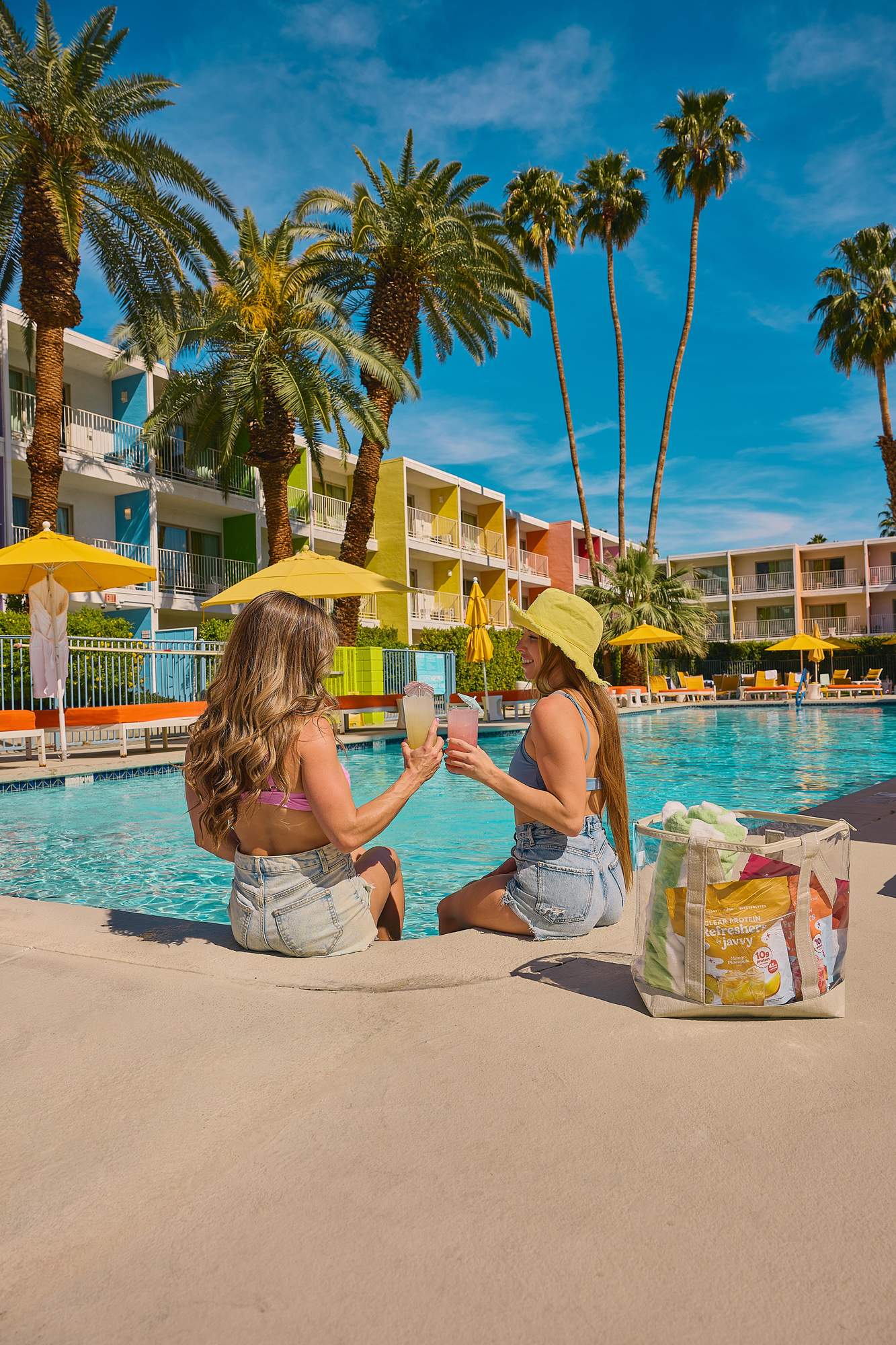
This is where planning becomes execution. Here's what a typical product photography session looks like at our Austin studio.
Studio Setup and Lighting Design
Product photography is all about control. We build each shot from scratch, starting with:
Backdrop and Surface Selection Depending on the shot list, we might use: - Seamless white background (e-commerce standard, clean and professional) - Textured surfaces (marble, wood, concrete, fabric) - Lifestyle environments (bathroom counter, kitchen shelf, outdoor deck) - Colored or gradient backdrops (brand-specific, seasonal themes)
Lighting Configuration Lighting makes or breaks product photography. Depending on the product and desired mood, we might use: - Key light (main light source, defines shape and dimension) - Fill light (softens shadows, reduces contrast) - Rim/back light (separates product from background, adds depth) - Reflectors and diffusers (control light quality, soften harsh shadows)
For reflective products (glass, chrome, glossy packaging), we use specialized techniques: - Light tents (surround the product with diffused light to minimize reflections) - Black and white cards (shape reflections to look intentional, not distracting) - Polarizing filters (reduce glare on non-metallic surfaces)
Every product has unique lighting challenges. A matte ceramic mug is easy to light. A glass perfume bottle requires careful control of reflections, transparency, and highlights.
Camera Settings and Composition
Once lighting is dialed in, we focus on the camera work.
Camera and Lens Selection We typically shoot product photography with: - Medium to high resolution sensors (24MP+, ensures detail for large-format use) - Prime or macro lenses (sharp edge-to-edge, minimal distortion) - Tripod and tethered shooting (consistency across shots, real-time review)
Shooting Tethered We connect the camera to a computer so images appear on a large monitor in real-time. This allows us to: - Check focus and sharpness immediately - Verify composition and framing - Catch issues (reflections, dust, alignment) before moving on - Involve clients in live review (if you're on set)
Tethered shooting adds a few minutes to setup, but it saves hours in post-production by catching mistakes early.
Composition and Framing We shoot each product from multiple angles and compositions: - Hero shot (primary angle, usually 3/4 view showing dimension) - Front, side, back views (comprehensive product representation) - Overhead flat lay (popular for social media, shows scale and context) - Detail shots (texture close-ups, logo, unique features)
For each angle, we capture variations: - Tight crop (product fills frame, emphasis on detail) - Loose crop (negative space for text overlay, design flexibility) - Environmental context (product in use or styled scene)
Styling and Prop Placement
Product photography isn't just about the product: it's about how the product is presented.
Styling Principles Good styling is invisible. The goal is to enhance the product without distracting from it. We follow guidelines like: - Complementary colors (props that support, not compete with, the product) - Scale and proportion (objects that make sense together) - Intentional placement (nothing random: every element has a reason) - Negative space (breathing room, not cluttered)
For example, if we're shooting a coffee mug: - Supporting props might include: Coffee beans, a small plant, a folded linen napkin, a wooden tray - We'd avoid: Unrelated objects, clashing colors, too many elements
Attention to Detail On set, we obsess over tiny details that most people won't consciously notice: but would subconsciously affect the image quality: - Dust and fingerprints (we clean products constantly) - Label alignment (if a product has text, we ensure it's straight) - Symmetry and balance (products positioned precisely, not haphazardly) - Shadows and reflections (intentional, not accidental)
This is why professional product photography takes time. It's not just snapping photos: it's meticulously building each composition.
Shooting Variations and Backup Options
Professional shoots include redundancy. We capture: - Multiple exposures (ensures at least one perfect frame) - Bracketed lighting (slightly brighter/darker versions for post-production flexibility) - Alternative compositions (in case your preferences change in post)
If we're shooting 10 final images, we might capture 100+ frames total. Post-production will narrow these down to the best shots.
Client Involvement Points: When You Get to Weigh In
You don't need to be on set for every shoot, but there are key moments where your input matters.
Pre-Production Review (Before Shoot Day)
This is your chance to approve: - Shot list and creative direction - Mood boards and styling references - Timeline and deliverables
If something doesn't align with your vision, speak up now. Changes on shoot day are expensive and time-consuming.
Live Review (Optional, If You're On Set)
Some clients prefer to be on set during shooting. If you're local to Austin and want to attend, we can set up a client monitor so you can: - See images as we shoot - Provide real-time feedback on composition and styling - Approve setups before we move to the next shot
Live review works well for high-stakes projects (hero campaign images) but can slow down efficiency for high-volume SKU shoots. We recommend it selectively.
Post-Shoot Selects Review (Always)
After the shoot, we send you a contact sheet or gallery of all shots. You review and select: - Which frames to move forward to retouching (usually the strongest 1-2 frames per setup) - Any concerns or issues (e.g., "The label looks crooked in this one") - Preferences on composition or styling (e.g., "I like the tighter crop better")
This is a critical checkpoint. Once we move to post-production, major changes (reshooting, different angles) become expensive.
Retouching Feedback (Revision Rounds)
After initial retouching, you'll receive edited versions for review. Typical feedback includes: - Color accuracy ("The blue needs to be more saturated") - Background cleanup ("Can you remove that shadow?") - Detail refinement ("The logo looks soft, can you sharpen it?")
Most projects include 1-2 rounds of revisions. Clear, specific feedback keeps the process efficient.
Post-Production: Where Good Shots Become Great Images
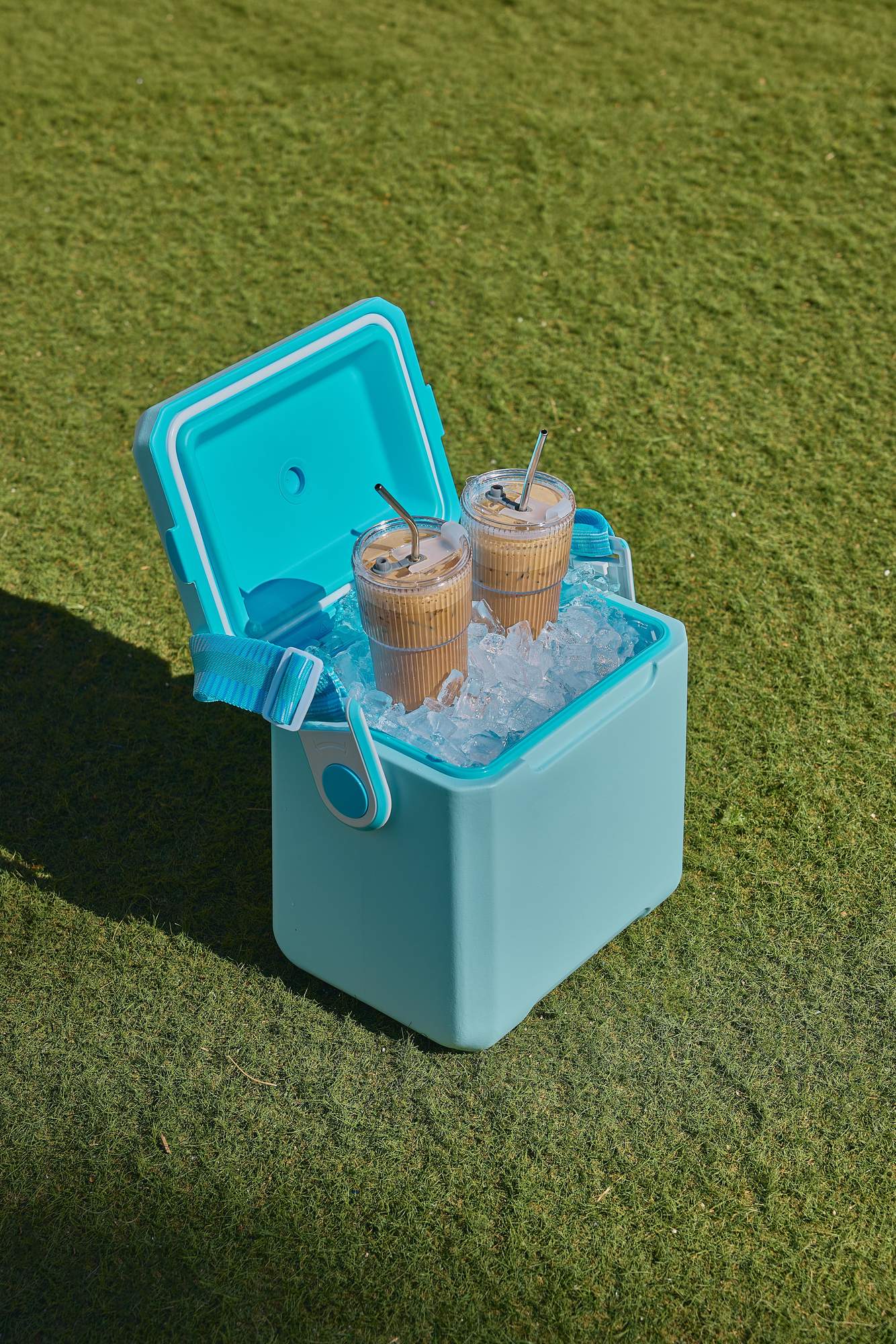
Shooting is only half the work. Post-production is where we refine raw captures into polished, brand-ready images.
Image Selection and Culling
We review every frame from the shoot and narrow down to the strongest candidates. We evaluate: - Sharpness and focus (no soft or blurry shots) - Composition and framing (best angles, cleanest backgrounds) - Expression and styling (if models or lifestyle scenes) - Technical quality (proper exposure, no blown highlights or crushed shadows)
From 100+ frames, we typically deliver 10-25 selects for client review.
Color Correction and Grading
Raw camera files need color adjustment to ensure: - Accurate product colors (critical for e-commerce: customers expect what they see) - Consistent white balance (no color casts from lighting) - Mood and tone alignment (warm vs. cool, bright vs. moody)
For product photography, color accuracy is non-negotiable. If your product is navy blue, it can't look royal blue or black in the final images.
Retouching and Cleanup
Professional retouching includes: - Dust and scratch removal (products and backgrounds spotless) - Background cleanup (pure white for e-commerce, smooth gradients for lifestyle) - Label and text alignment (straightening skewed logos or text) - Reflection and shadow refinement (making them look natural, not artificial) - Minor product imperfections (small scratches, manufacturing inconsistencies)
The goal is to make the product look its best without crossing into "fake" territory. We're enhancing, not fabricating.
Advanced Compositing (When Needed)
Some projects require compositing: combining multiple images or elements into a final shot. Examples: - Focus stacking (merging multiple exposures for maximum depth of field) - Background replacement (swapping studio backdrop for lifestyle environment) - Clipping paths (isolating product on transparent background for flexible use) - AI-enhanced environments (using AI to generate photorealistic scenes around your product)
Compositing adds time and cost, but it unlocks creative possibilities that aren't feasible in-camera.
File Preparation and Delivery
Once images are finalized, we prepare them for delivery in the formats you need: - High-resolution TIFFs or PNGs (print, large-format use) - Optimized JPEGs (web, social media) - Transparent PNGs (product on clear background for design flexibility) - Specific dimensions (Amazon requires specific sizes, Instagram prefers square crops)
We organize files clearly (naming conventions, folders by SKU or use case) so you're not hunting through random file names.
Timeline Expectations: How Long Does It Really Take?
Understanding realistic timelines helps you plan campaigns and avoid last-minute scrambles.
Typical Product Photography Timeline
Here's what a standard project looks like from kickoff to delivery:
Week 1: Pre-Production - Creative brief and shot list development - Mood board creation (if needed) - Product shipping and arrival - Studio prep and prop sourcing
Week 2: Production - Shoot day (1-2 days depending on volume) - Image review and selects culling - Client selects feedback
Week 3: Post-Production - Color correction and retouching - Client review of edited images - Revision round 1
Week 4: Finalization and Delivery - Final revisions - File preparation and formatting - Delivery and usage guidance
Total: 3-4 weeks for a typical project (10-25 final images).
Expedited Timelines
If you're on a tight deadline, we can compress timelines: - Rush delivery (2 weeks total, available for simpler projects) - Priority scheduling (bump ahead in the queue) - Limited revision rounds (reduces back-and-forth time)
Expedited timelines usually come with rush fees, but they're possible when you need to move fast.
Factors That Extend Timelines
Some projects take longer due to: - High volume (100+ SKUs requires more shoot days and post-production) - Complex styling or props (sourcing specialty items, custom set builds) - Extensive retouching (intricate compositing, advanced effects) - Client revision delays (if feedback takes a week, the timeline extends)
Clear communication upfront helps us set realistic expectations.
Common Questions and Concerns
"Do I need to be on set?"
Not required, but you're welcome to attend if you're local to Austin. Live review can be helpful for hero images or brand-critical shots. For high-volume SKU work, it's usually more efficient to trust the team and review after.
"What if I don't like the final images?"
That's why we have multiple review checkpoints. If something's off after the shoot, we flag it before post-production. If the issue is subjective (style preference), we discuss revisions. If the issue is our error (wrong product, technical mistake), we reshoot at no cost.
"Can I make changes after delivery?"
Minor tweaks (color adjustments, small retouching) are usually included in revision rounds. Major changes (different angles, reshoots) require additional budget. Usage rights are typically included: you own the final images and can use them however you need.
"How do I prepare my products for the shoot?"
Send them in sellable condition: - Clean and undamaged - Fully assembled (if applicable) - Include all components (lids, caps, accessories) - Provide 2-3 samples per SKU (backups in case of damage)
If products arrive dirty or damaged, we'll clean what we can, but severe issues may require replacements.
"What if my products are perishable or fragile?"
We handle specialty products regularly: - Food and beverage: Refrigerated storage, quick shoot turnarounds, food styling expertise - Fragile items: Careful handling, specialized rigging, insurance coverage - Hazardous materials: Proper storage and disposal (cosmetics, chemicals)
Just communicate special requirements upfront so we can prepare.
What Makes a Product Shoot Successful
Great product photography comes down to three things:
1. Clear Communication
The best shoots happen when clients communicate clearly: - What you need (deliverables, formats, use cases) - What you like (style references, mood examples) - What you're worried about (concerns, past bad experiences)
The more we understand your goals and constraints, the better the final work.
2. Realistic Expectations
Product photography is a craft, not magic. Expect: - Timelines of 3-4 weeks for standard projects - Iterative refinement through revision rounds - Collaboration, not mind-reading
If you need perfection in 3 days with zero input, that's unrealistic. But if you communicate clearly and trust the process, the results will exceed expectations.
3. Trust in the Team
You hired professionals for a reason. Let them do their job: - Trust the styling decisions (we've shot thousands of products) - Trust the technical execution (lighting, composition, post-production) - Provide feedback, not micromanagement
The best client relationships are collaborative: you bring the product and brand knowledge, we bring the production expertise.
The Bottom Line
Professional product photography is more involved than snapping pictures with a nice camera. It's a multi-week process that includes creative planning, meticulous on-set execution, and detailed post-production refinement.
Understanding the process helps you: - Set realistic timelines and expectations - Communicate effectively with your production team - Appreciate the work that goes into each final image
At 51st & Eighth, we've refined our product photography workflow to deliver high-quality results on time and on budget. Whether you're shooting a single hero product or a catalog of 100+ SKUs, we handle the details so you can focus on launching and growing your brand.
Ready to see what professional product photography can do for your brand? Book a discovery call to discuss your project, timeline, and budget. We'll walk through our process and create a custom plan that fits your needs.
Contact us at 51-8.com to get started.
Frequently Asked Questions
Do I need to be present on shoot day? Not required, but highly recommended for hero-image shoots or first-time clients. Being on set lets you approve setups in real time and catch brand-specific issues a photographer might not know to look for (a label detail, a product variant preference). For high-volume SKU catalogs, your presence adds time without proportional benefit: trust the brief and review the contact sheet afterward.
What happens if products arrive damaged or wrong variants are shipped? We do a product inspection on arrival and flag issues before scheduling the shoot. If replacements are needed, we pause until the correct products arrive. This is why we request product 1–2 weeks before the shoot date, not 2 days before. Rush shipping a replacement delays the whole project; planning ahead avoids it.
How are final files delivered and what formats do I receive? Standard delivery includes: high-resolution TIFFs or JPEGs (300dpi for print), web-optimized JPEGs (72dpi, typically 2000px long edge), and transparent PNGs where relevant (Amazon, design compositing). Files are organized by SKU or setup in clearly labeled folders via a shared Google Drive or Dropbox link, with a naming convention we agree on in pre-production.
Can I request additional angles or changes after the shoot? Major changes (entirely new angles, different backgrounds, reshoots) require additional production days and cost. Minor changes (color grading adjustments, shadow softening, cropping preferences) are handled within revision rounds. This is why the shot list review before the shoot is so important: catching gaps in pre-production is free; catching them after the shoot is not.
Ready to elevate your product photography?
Get a free quote from Austin's leading product photography studio.
Get a Free Quote →